Trolling Herring for Puget Sound Chinook in Washington
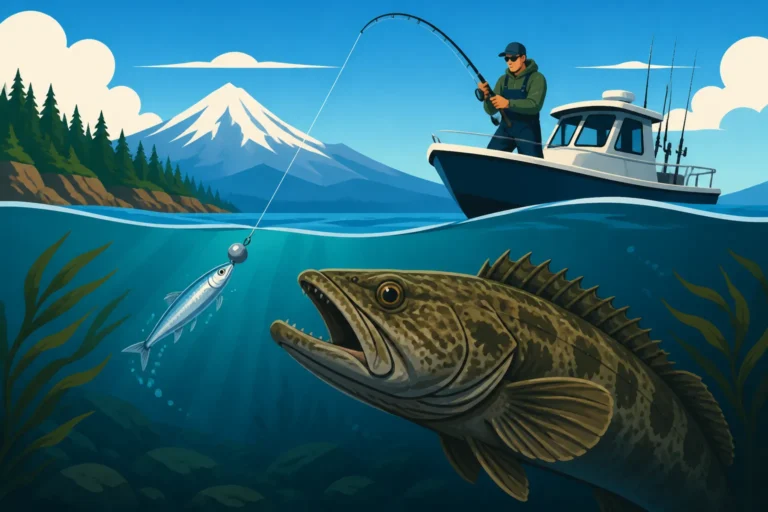
There’s nothing quite like the thrill of a big Chinook salmon taking your bait in Puget Sound, but let's be honest, getting these elusive "kings" to bite can sometimes feel like trying to win the lottery. Many anglers spend countless hours trolling, only to come back empty-handed, wondering what secret handshake they missed. This comprehensive guide is here to unravel the mysteries of one of the most effective and time-tested methods for enticing Puget Sound Chinook: trolling with herring.
Why Herring is the Puget Sound Chinook Magnet
Ask any seasoned Puget Sound salmon angler about their go-to bait for Chinook, and more often than not, they’ll tell you it’s herring. This isn't just a matter of tradition; it's deeply rooted in the natural diet of these magnificent fish. Chinook, especially in our local waters, are voracious predators, and herring represents a significant, high-calorie meal they simply can't resist. Understanding why herring works so well is the first step to mastering this technique.
The Allure of Natural Bait
Think about it: fish eat fish. It’s the most fundamental rule of the aquatic food chain. While there are countless artificial lures designed to imitate baitfish, nothing quite replicates the genuine article. Herring has a natural oil content, a specific scent profile, and a unique shimmer and flash in the water that triggers an instinctive predatory response in Chinook. It’s not just about the look; it's the whole package – the subtle movements, the smell, the texture. A fresh, properly rigged herring presents itself as an easy, irresistible meal. Many anglers, myself included, have spent years experimenting with various baits, and while plastics and metals have their place, the consistent draw of natural herring for bigger, more aggressive Chinook is undeniable.
When you're out on the water, battling the elements and the clock, the last thing you want is a bait that feels "off." Chinook are highly tuned predators. They've evolved over millennia to hunt live prey. An artificial lure, no matter how well designed, can sometimes fall short in subtle ways. A real herring, even when dead, retains that inherent fishy goodness that screams "food" to a passing salmon. This natural advantage reduces skepticism from wary salmon, increasing your chances of a solid strike. It’s why so many of us swear by it, especially when targeting those elusive, larger Puget Sound Chinook.
Mimicking Puget Sound's Forage Base
Herring aren't just a generic baitfish; they are a cornerstone of the Puget Sound ecosystem and a primary food source for Chinook salmon in these waters. Chinook spend a considerable portion of their lives here, growing fat on the abundant herring populations. When you troll with herring, you're not just offering bait; you're offering what these salmon are already actively hunting and consuming. This familiarity is a huge advantage. They recognize the size, shape, and movement of a herring because it's precisely what they're accustomed to chasing in their natural environment.
Consider a typical feeding scenario: a school of herring is moving through a current, and a predatory Chinook is lurking nearby. A properly trolled herring mimics a vulnerable, injured, or straggling fish from that very school, making it an easy target. This perfect imitation of their natural diet is why trolling herring is so profoundly effective for Puget Sound Chinook. It’s less about tricking them and more about presenting them with exactly what they’re looking for, right when they expect to find it. This intimate connection to the local food web is what elevates herring from merely good bait to the best bait for these specific salmon.
Essential Gear for Trolling Herring
Getting set up for trolling herring doesn't have to break the bank, but having the right tools for the job will significantly improve your success rate and overall enjoyment. From the rod in your hand to the weight pulling your bait down, each component plays a crucial role in presenting your herring effectively and landing that prized Chinook.
Rods, Reels, and Line Selection
For Puget Sound Chinook, you need a setup that can handle powerful runs and the sustained pressure of trolling. A medium-heavy action rod, typically between 8.5 to 10.5 feet long, is ideal. This length provides the necessary leverage for fighting strong salmon and helps absorb the shock of their head shakes. Look for rods with a forgiving tip for detecting subtle bites but with enough backbone to really lean into a heavy fish. Brands like Lamiglas, Shimano, and G. Loomis offer excellent options that are popular among local anglers.
When it comes to reels, a durable level-wind baitcaster is the standard. These reels offer excellent line capacity, a smooth drag system, and the gearing needed to battle large fish. Models like the Daiwa Sealine or Shimano Tekota are workhorses in Washington's salmon fisheries. Fill your reel with 20 to 30 lb test monofilament or braided line. Many anglers opt for braided line for its sensitivity and strength, often backing it with a short top shot of monofilament for knot tying and a bit of stretch. This setup ensures you can feel the lightest taps and have the power to bring in a trophy Chinook. You can find a wide range of these rods and reels on platforms like Amazon, often with detailed reviews from other anglers. Having the right Rod and Reel You Need for Washington Puget Sound Salmon is paramount.
The Importance of Downriggers
Downriggers are absolutely indispensable for effective herring trolling in Puget Sound. Chinook salmon often suspend at specific depths, sometimes hundreds of feet down, and traditional lead weights simply can't get your bait there consistently or efficiently. A downrigger uses a heavy cannonball weight (8-15 lbs) attached to a cable, which is lowered to a precise depth using an electric or manual crank. Your fishing line is then clipped to the downrigger cable via a release clip. When a salmon strikes, the line pops free from the clip, allowing you to fight the fish directly without the heavy downrigger ball impeding the fight.
This precise depth control is critical because Chinook are often very particular about the depth at which they're feeding. Fish finders will show you schools of bait and salmon, and with a downrigger, you can place your herring right in front of their noses. Without them, you'd be guessing your depth, which is a recipe for frustration. Modern downriggers from brands like Scotty or Cannon come with features like auto-stop and depth counters, making them even easier to use. Investing in reliable downriggers means you can consistently target the zone where the fish are holding, significantly increasing your chances of success.
Leader and Terminal Tackle Essentials
Your leader material and terminal tackle are the direct connection between your main line and the herring, so quality is non-negotiable. For leaders, fluorocarbon is the preferred choice for its invisibility underwater and abrasion resistance. Use 25 to 40 lb test fluorocarbon, depending on water clarity and fish size. Leader length can vary, but typically 4 to 6 feet works well behind a flasher or dodger.
Hooks are perhaps the most critical component. For herring, a tandem hook setup is standard. This usually involves a 4/0 or 5/0 octopus hook for the nose and a larger 5/0 or 6/0 octopus hook for the tail. The specific size might vary slightly based on the size of your herring. Make sure your hooks are sharp – razor sharp! Chinook have tough mouths, and a dull hook will result in missed bites. Swivels are also important to prevent line twist, especially with a rotating herring. Use high-quality barrel or ball-bearing swivels between your main line, flasher, and leader. Always carry extra pre-tied leaders and various hook sizes, because you never know when you'll need to adapt to the conditions or a different size of bait. A small tackle box of these essentials from a store like Amazon is a smart investment.
Rigging Your Herring for Success
The art of rigging herring is what truly separates the successful salmon angler from the frustrated one. A perfectly rigged herring will swim with a natural, enticing action, while a poorly rigged one will spin unnaturally, deterring bites. There are a few tried-and-true methods, but the goal remains the same: create a presentation that Chinook can’t resist.
The Perfect Plug-Cut Herring
The plug-cut method is arguably the most popular and effective way to rig herring for Chinook in Puget Sound. It involves cutting the herring at an angle to create a natural, rotational spin in the water. This spin, often described as a "roll," mimics an injured baitfish, making it irresistible to hungry salmon.
To achieve the perfect plug-cut:
- Select a Fresh Herring: Start with good quality bait. Fresh, firm herring that has been properly brined (more on that below) is crucial.
- The Cut: Lay the herring on its side. Using a very sharp, thin-bladed knife, make a clean, diagonal cut from just behind the gill plate to the belly, removing the head and a small portion of the body. The angle of this cut is critical – it typically ranges from 30 to 45 degrees, though experimenting with slightly different angles can sometimes yield better results. A steeper angle generally produces a tighter, faster roll.
- Tandem Hook Placement: Thread your leader through the belly cavity and out the mouth. Secure the lead hook (the smaller one, usually a 4/0 or 5/0 octopus hook) through the upper jaw, just above the tip of the nose. The trailing hook (5/0 or 6/0) should be positioned so it hangs freely near the tail section of the herring. The distance between the hooks should match the herring's body length. The key is to ensure both hooks are completely free and not buried in the bait, allowing for maximum hooking potential.
- The Test: Before deploying, drop your rigged herring next to the boat and observe its action. It should roll cleanly and consistently. If it wobbles or spins wildly, adjust the angle of your cut or the placement of your lead hook. Sometimes a very small additional diagonal cut on the opposing side of the original cut, or even a slight bend in the nose hook, can fine-tune the roll. Mastering this takes practice, but the rewards are well worth it. You can learn more about this by watching experienced anglers or checking out specialized online guides on Best Way to Rig Herring for Puget Sound Chinook (though this current guide focuses on that, external resources are helpful for visual learners).
Rotary Herring Rigging
While the plug-cut is king, rotary herring rigging offers another fantastic option, especially when Chinook might be looking for a slightly different presentation. This method utilizes a specialized "rotary head" or "bait holder" that cradles the herring, causing it to spin. It's often considered a bit easier for beginners, as it takes some of the guesswork out of the cutting angle.
Here’s how it works: you slide a whole or slightly trimmed herring into the plastic rotary head, which usually has a built-in fin or angle that forces the bait to spin as it's trolled through the water. The leader runs through the head, and a tandem hook setup is used, with one hook often secured into the belly of the herring within the holder, and the other trailing freely near the tail. The beauty of this method is its consistency; once the herring is in the holder, it’s going to spin predictably every time. This can be great for covering ground quickly or when you're just starting out and want to eliminate variables. While some purists argue it lacks the subtle "swim" of a perfectly plug-cut herring, it’s undeniably effective and definitely worth having in your arsenal, especially when fish are aggressive.
Brining and Preparing Your Bait
The freshness and firmness of your herring are paramount. A soft, mushy herring won't hold up to trolling, won't spin properly, and certainly won't entice a Chinook. Brining is the secret sauce to firming up your bait, enhancing its scent, and preserving it.
A good brine typically consists of non-iodized salt (like rock salt or pickling salt), water, and optional additives. Many anglers have their "secret" ingredients, but common additions include powdered milk (for extra rigidity and a milky sheen), Mrs. Stewart's Bluing (to add an iridescent blue tint, mimicking live bait), Borax (to firm the flesh), and even scent additives like Anise or herring oil.
A simple, effective brine recipe:
- 1 gallon of distilled water
- 2 cups non-iodized salt
- 1/2 cup powdered milk
- 1/4 tsp Mrs. Stewart's Bluing (optional, but highly recommended)
- A few squirts of herring or anise scent (optional)
Mix all ingredients thoroughly until the salt dissolves. Place your herring in a container and pour the brine over them, ensuring they are completely submerged. Keep them refrigerated or on ice. Brine for at least 4-8 hours, or preferably overnight. The herring will become noticeably firmer and more resilient. When ready to fish, remove them from the brine, pat them dry, and keep them chilled in a cooler with ice (but not directly in melting ice water, as this can wash away the brine). Proper brining can make a huge difference in the longevity and effectiveness of your bait, turning a good fishing day into a great one.
Mastering the Troll: Techniques and Tactics
Once your gear is rigged and your herring is perfectly prepared, it’s time to put it all into action. Trolling for Chinook in Puget Sound isn't just about driving in a straight line; it's a dynamic dance with the currents, structure, and the fish themselves. Subtle adjustments can make all the difference between an empty cooler and a limit of beautiful salmon.
Finding the Right Speed and Depth
Trolling speed is perhaps the most critical factor after rigging. The ideal speed will vary depending on the condition of your herring, the desired roll, and the current. Generally, for plug-cut herring, a speed of 1.5 to 3.0 mph over the ground is a good starting point. You want your herring to have a lively, consistent roll without spinning so fast it looks unnatural or blows out. Observe your rod tips – they should have a steady bounce, indicating the herring is working properly. If they're vibrating too much, speed up; if they're limp, slow down. Pay attention to your GPS speed and your speed through the water. Understanding Best Tide for Puget Sound Salmon Fishing in Washington can also influence your effective trolling speed relative to the current.
Depth is equally important. This is where your downriggers and fish finder become your best friends. Chinook often hold near bait balls, along ledges, or suspended at specific thermoclines. Your fish finder will show you where the bait is, and often, where the salmon are lurking. Start by dropping your gear to the depth where you see bait or fish marks. If you're not getting bites, experiment by moving your downrigger balls up or down in 5 to 10-foot increments. On bright, sunny days, fish might be deeper, while on overcast days, they might be shallower. Don't be afraid to run multiple rods at different depths to cover the water column. Knowing the Depth Washington Chinook Hold at in Summer can give you a significant advantage, helping you pinpoint the most productive zone quickly.
Understanding Trolling Patterns
Just driving in a straight line won’t always cut it. Savvy Puget Sound anglers employ various trolling patterns to maximize their chances. The most common and effective technique is trolling in S-curves or zig-zags. As your boat turns, the outside downriggers speed up, and the inside downriggers slow down. This change in speed causes your herring to change its action – sometimes speeding up its roll, sometimes slowing it down, or even darting. Often, a salmon will strike right as your bait changes speed during a turn. Pay attention to which side of the boat gets the bite, as this can give you clues about what speed or action the fish are preferring on that particular day.
Another effective pattern is to troll along contour lines or underwater structure. Chinook love to hug ledges, drop-offs, and humps where baitfish congregate. Use your chart plotter to identify these features and try to follow them precisely. If you mark fish on a particular spot, circle back over it. Don’t be afraid to experiment with your turns; sometimes a tight turn is better, sometimes a wide, sweeping turn. The goal is to present your herring in as many varied ways as possible and provoke a reaction strike. For a broader overview of strategies, check out articles on Trolling for Salmon in Washington's Puget Sound.
Reading Your Electronics for Chinook
Your boat's electronics – primarily your fish finder and GPS/chart plotter – are invaluable tools for trolling success. A good fish finder will show you bait schools, individual fish (often appearing as "arches"), and the bottom contour. Learn to interpret these signals. Dense clouds of small marks indicate bait, and if you see larger, distinct arches hovering around that bait, you've likely found salmon.
Your chart plotter helps you identify productive fishing grounds, mark waypoints where you've previously caught fish, and execute precise trolling patterns. For example, if you get a bite at a specific depth and location, mark it immediately on your GPS. You can then re-troll that exact spot or pattern, increasing your odds of finding more fish. Keep an eye on your water temperature gauge as well; significant temperature breaks can often hold salmon. Don’t just stare at the screen; use the information it provides to make informed decisions about your speed, depth, and direction. Learning to effectively use these tools is a skill developed over time, but it’s one that consistently pays off. And remember, Does Weather Affect Washington Salmon Fishing? also plays a role in how fish react and where they hold, so integrate that into your electronic readings.
Timing and Locating Puget Sound Chinook
Catching Puget Sound Chinook isn't just about having the right gear and technique; it's also about being in the right place at the right time. Understanding their seasonal movements, preferred habitats, and how factors like tides influence their behavior is crucial for consistent success.
Best Tides and Times for Chinook
Tides play an enormous role in Puget Sound salmon fishing, especially for Chinook. Moving water, whether incoming or outgoing, generally stirs up baitfish and concentrates salmon. A strong current can also position salmon in predictable feeding lanes. Many experienced anglers favor the hour or two leading up to a slack tide, through the slack, and for an hour or two on the beginning of the next tide change. This "swing" period often provides the most active bites. The specific tide cycle – high slack, low slack, flood, or ebb – can influence which areas are most productive.
Early mornings and late evenings, often referred to as "the low light periods," are frequently the most productive times of day. Chinook, like many predators, use the reduced light to their advantage, ambushing baitfish that might be less visible. However, don't discount midday fishing, especially on overcast days or if you're targeting deeper fish with downriggers. Always consult your local tide charts before heading out. Understanding When Chinook Salmon Run in Washington's Puget Sound will help you align your fishing efforts with the peak migratory periods for these incredible fish. Different marine areas might have slightly different peak times, so staying informed is key.
Prime Puget Sound Marine Areas
Puget Sound is a vast and complex body of water, divided into numerous marine areas by the Washington Department of Fish and Wildlife (WDFW). Each area can have different regulations, seasons, and fishing hotspots. For Chinook, some areas are consistently more productive than others.
Popular and often productive marine areas for Chinook include:
- Marine Area 10 (Seattle/Bremerton): Often sees good winter blackmouth (resident Chinook) fishing.
- Marine Area 9 (Admiralty Inlet): A critical migratory corridor for salmon headed to numerous Puget Sound rivers, often holds transient Chinook in summer and fall. Learning about Marine Area 9 for Salmon Fishing, Explained can give you an edge.
- Marine Area 7 (San Juan Islands): Offers excellent opportunities for both resident blackmouth and transient Chinook, especially around bait concentrations.
- Marine Area 6 (Eastern Strait of Juan de Fuca): Another key migratory route, particularly for salmon bound for the Fraser River and other Canadian systems, but also for many U.S. rivers. Exploring Marine Area 6 for Salmon Fishing, Explained reveals its potential.
- Marine Area 11 (Tacoma/Vashon Island): Can be very good for resident blackmouth.
Always check the current WDFW regulations for the specific marine area you plan to fish, as seasons, bag limits, and even gear restrictions can change frequently. Puget Sound Salmon Closures: What Washington Anglers Need to Know is a critical resource to consult before every trip.
Seasonal Considerations for Chinook Runs
Chinook salmon fishing in Puget Sound is a year-round endeavor, but the type of Chinook you're targeting and their behavior will vary significantly by season.
- Winter (Blackmouth Season): From late fall through early spring, anglers target "blackmouth," which are resident, immature Chinook salmon that spend their entire lives feeding in Puget Sound. These fish are often found deeper, sometimes near structure, and respond well to slower trolling speeds with herring or spoons.
- Summer/Fall (Migratory Runs): As summer progresses into fall, the focus shifts to mature, migratory Chinook returning to their natal rivers to spawn. These fish are often larger and more aggressive, feeding heavily as they stage for their journey upriver. They can be found throughout the Sound, often following baitfish schools. This is when the action can really heat up in areas like Admiralty Inlet and the San Juans.
Understanding these seasonal patterns and adjusting your tactics accordingly is key to consistent success. Regardless of the season, Chinook salmon remain the premier target for many Washington anglers, holding true to their title as Chinook Salmon: Washington's King of Fish. Be sure to always review the most current Washington Fishing Regulations Every Angler Should Know before heading out.
Troubleshooting and Common Mistakes
Even with the best gear and knowledge, fishing for Puget Sound Chinook can present its challenges. It's not always smooth sailing, and learning to troubleshoot common issues and adapt to changing conditions is a mark of an experienced angler. Don't get discouraged if things don't go perfectly; it's all part of the learning curve!
Dealing with Tangles and Fouled Gear
There's nothing more frustrating than reeling in a tangled mess, especially when the bite is hot. Tangles and fouled gear are common, but many can be prevented.
- Proper Downrigger Spacing: When running multiple downriggers, ensure they are spaced adequately to prevent lines from crossing. If you have two downriggers on one side, consider running one further back than the other.
- Release Clip Tension: If your release clips are too light, your line might pop out prematurely, leading to a tangle as your bait floats freely. If they're too tight, you might not detect a light bite. Experiment to find the right tension.
- Speed and Turns: Trolling too fast or making overly sharp turns can cause baits to swing into each other, especially if your leaders are too long. Maintain a consistent, controlled speed and make gradual turns.
- Weed and Debris Checks: Periodically check your herring and leaders for weeds, jellyfish, or other debris. Even a small piece of debris can drastically alter your bait's action and deter strikes. Many anglers reel in their lines every 15-20 minutes, or after a long turn, to ensure everything is running clean.
- Line Twist: A poorly rigged herring or a spinning flasher without a quality swivel can introduce line twist, weakening your line and causing tangles. Always use ball-bearing swivels and ensure your herring rolls cleanly. If you notice persistent twist, re-spooling your reel might be necessary. Sometimes the line itself needs to be replaced, especially if it’s older or has seen a lot of action.
Identifying and Adjusting to Finicky Bites
Chinook can sometimes be incredibly subtle, especially if they're not aggressively feeding. A hard, rod-doubling strike is what every angler dreams of, but often, the bite is a mere tap or a slight shake of the rod tip.
- Watch Your Rod Tips Religiously: Develop a keen eye for any interruption in the rhythm of your rod tip's bounce. A momentary cessation of the bounce, a subtle twitch, or a slight pull-down can all signal a bite. Don't be distracted; your rod tips are your primary indicators.
- Vary Your Presentation: If the bite is slow or you're getting short strikes (taps but no hook-ups), try changing things up. This could mean adjusting your speed, changing your leader length, trying a different size or color of flasher, or switching to a fresher, better-brined herring. Sometimes simply dropping the downrigger ball another 5-10 feet, or bringing it up, can trigger a bite.
- Scent Is Key: If fish are being finicky, adding extra scent to your herring can often entice them. Many anglers carry a variety of salmon scents like herring, anchovy, or krill oil. Reapply scent frequently, as it washes off over time.
- Hook Sharpness: Reiterate the importance of sharp hooks. A finicky fish might just mouth the bait; a razor-sharp hook will find purchase even with a soft bite.
Don't be afraid to experiment. Sometimes a subtle change can completely turn your luck around. Pay attention to what's working for others around you, but also trust your instincts and try something different. Sometimes you need to consider alternative methods, like Mooching for Salmon and How Washington Anglers Do It, if trolling isn't producing.
Adapting to Changing Conditions
Puget Sound weather and water conditions can change rapidly, and successful anglers are those who can quickly adapt.
- Weather and Light: On bright, sunny days with clear water, Chinook often go deeper or prefer darker, less flashy gear. On overcast days or in stained water, they might come shallower and respond well to brighter, more reflective flashers. Remember, Does Weather Affect Washington Salmon Fishing? significantly.
- Water Clarity: If the water turns murky due to heavy rain or churned-up currents, you might need to use larger, stronger-scented herring and more vibrant flashers to get noticed. In very clear water, smaller baits and natural colors might be more effective, along with longer fluorocarbon leaders.
- Current and Wind: Strong currents can make maintaining your desired trolling speed difficult. You might need to adjust your engine RPMs or change direction to troll effectively. Wind can create chop, making it harder to spot subtle bites and potentially impacting your boat control. Use your autopilot (if equipped) and pay extra attention to your heading.
- Fish Movement: Chinook are constantly on the move. If a spot that was hot yesterday isn't producing today, don't be afraid to pull up stakes and try a different marine area or a new piece of structure. These fish follow bait, so if the bait moves, the salmon will too. Keeping an eye on fishing reports and communicating with other anglers can help you stay on top of fish movements. This constant adaptation is part of the challenge and reward of fishing these amazing Chinook vs Coho in Washington: Telling Them Apart and other salmon species.
| Herring Size | Ideal Target Species | Common Hook Size (Tandem) | Leader Weight | Trolling Speed Range (MPH) | Notes |
|---|---|---|---|---|---|
| Small | Coho, Resident Chinook | 3/0 – 4/0 | 20-25 lb | 1.0 – 2.5 | Good for finicky fish, smaller profile. |
| Medium | Chinook, Coho | 4/0 – 5/0 | 25-30 lb | 1.5 – 3.0 | All-around versatile size, standard choice. |
| Large | Large Chinook | 5/0 – 6/0 | 30-40 lb | 1.8 – 3.5 | For targeting trophy-sized kings. |
| Tray | General Bait | Varies | Varies | Varies | Pre-cut, sometimes frozen in trays. |
Disclaimer
Fishing regulations in Washington State, especially for salmon in Puget Sound, are subject to frequent change. Always consult the most current Washington Department of Fish and Wildlife (WDFW) regulations pamphlet or their official website before heading out on the water. This article is for informational and entertainment purposes only and should not be used as a substitute for official WDFW regulations.