Shrimping Techniques in Hood Canal
Shrimping in Hood Canal is an experience that calls to so many of us, but let's be honest, it can feel incredibly intimidating if you're new to it. The sheer amount of gear, the specific regulations, the crowds, and the worry of setting your pots in the wrong spot can quickly turn an exciting prospect into a source of frustration. This guide is here to demystify the process, walking you through everything you need to know to successfully catch delicious spot shrimp in Washington's beautiful Hood Canal.
Understanding Hood Canal's Unique Shrimp Fishery
There's something truly magical about shrimping in Hood Canal. The water is often calm, the scenery is breathtaking, and the reward of fresh, sweet spot shrimp is unparalleled. But it's not just a casual toss-and-wait kind of fishery; it requires understanding the nuances of this unique ecosystem and the specific rules that govern it.
The Allure of Hood Canal Spot Shrimp
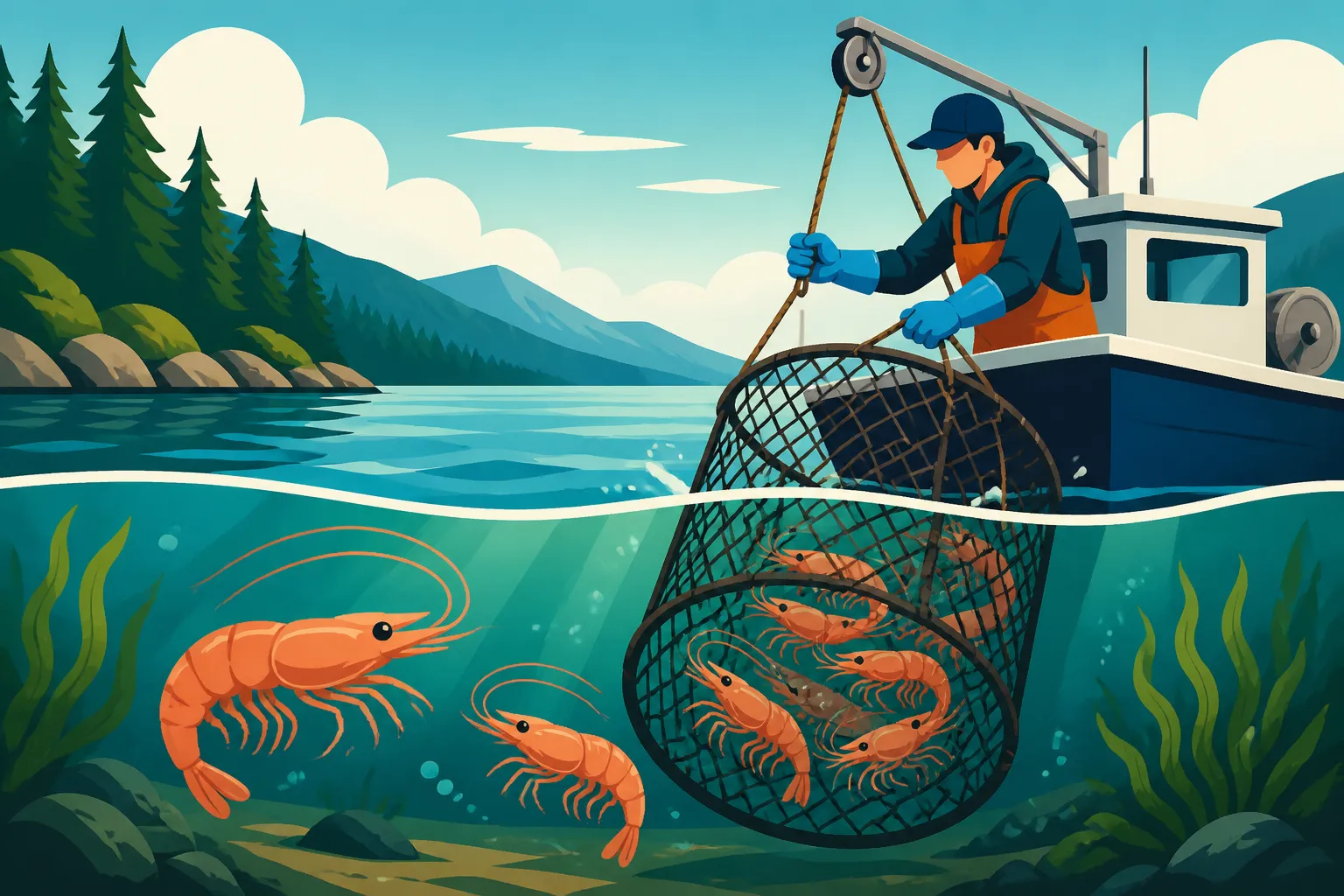
When we talk about shrimping in Hood Canal, we're almost always talking about the Pacific spot shrimp (Pandalus platyceros). These aren't your average bay shrimp; they are substantial, sweet, and firm, often considered a delicacy. Their size and incredible flavor make them highly sought after, leading to intense interest during the short seasons. Imagine pulling up a pot, seeing those vibrant red and white beauties crawling inside – it's a thrill that never gets old. They tend to congregate in deeper, rocky areas with good current, often near steep drop-offs or underwater structures, making specific locations within Hood Canal prime spots for targeting them. Their life cycle and migratory patterns also influence where and when you'll find them, adding another layer of complexity to the hunt.
One of the reasons spot shrimp are so prized is their distinct taste and texture, far superior to many other shrimp species. They have a sweetness and firmness that stands up beautifully to grilling, sautéing, or simply steaming with a little butter and garlic. This culinary appeal drives many anglers to endure the early mornings and gear preparation, knowing the payoff is a truly special meal. Beyond their taste, the act of catching them is an adventure in itself, a true Pacific Northwest tradition that connects us to the waters around us. The anticipation of lifting a pot, wondering what treasures lie beneath, adds an exciting element to the day out on the water.
Seasons, Tides, and Openings: Timing is Everything
Successfully shrimping in Hood Canal hinges almost entirely on understanding the extremely limited and tightly regulated seasons. The Washington Department of Fish and Wildlife (WDFW) manages these fisheries very carefully to ensure sustainability, which means seasons are often just a few days long, sometimes only a handful of hours on specific dates. Missing an announcement or misinterpreting the rules can mean missing out on the entire season. You need to be diligent about checking the WDFW website for specific dates and times, as these change annually based on stock assessments and conservation goals.
When considering "Shrimping Season in Hood Canal," it’s not just when you can drop your pots, but also what type of tide you're dealing with. While shrimping is often less tide-dependent than, say, crabbing or salmon fishing in certain areas, strong currents can still affect how your pots set and whether they drift. Generally, moderate tides are preferred, as extreme high or low tides can create strong currents that move pots or make retrieval more challenging. However, the most critical factor is the announced opening date and time. These openings are often concurrent with "Shrimping Techniques in Hood Canal" for "Spot Shrimp in Hood Canal," and are almost always during daylight hours, making it a mad dash for prime spots. Always remember that daily limits and possession limits are strictly enforced, so be sure you understand "Possession Limits vs Daily Limits in Washington" before you head out.
Essential Gear for Shrimping in Hood Canal
Like most forms of fishing in Washington, shrimping requires specific gear, and getting it right can make all the difference between a full pot and an empty one. You can't just throw any old trap in the water and expect results. There's an art and a science to it, starting with having the right tools for the job.
Shrimp Pots: Your Primary Tool
Your shrimp pot is the cornerstone of your shrimping setup, and choosing the right one can significantly impact your success. There are several popular designs, each with its own advantages and disadvantages. Rectangular or square pots are common, often made of heavy wire mesh, sometimes coated for durability. These tend to sit stable on the bottom and are often stackable for transport. Pyramid-style pots, with their sloped sides, are also popular because they’re less likely to snag on rocky bottoms and are designed to funnel shrimp efficiently into the trap. Round pots are another option, known for their robustness and ability to withstand currents.
Most pots are constructed with small, strategically placed entrances that allow shrimp to crawl in but make it difficult for them to escape. These escape routes are often made of plastic funnels or narrow openings. The best pots are heavy enough to sink quickly and stay put on the bottom, even in currents, and durable enough to withstand repeated deployments and retrievals. Some people opt for commercial-grade pots for their longevity, while others find excellent recreational options readily available from sporting goods stores or online retailers like Amazon. When selecting a pot, consider its weight, the size of its openings, and the material it's made from. Generally, heavier gauge wire and sturdy construction mean more durability and better performance over time. Remember, the WDFW has regulations on pot size and construction, so always check the current rules before purchasing or deploying.
| Pot Type | Pros | Cons | Ideal for |
|---|---|---|---|
| Square/Rectangular | Stable on bottom, stackable, good capacity | Can snag on uneven bottoms | Deeper, flatter bottoms, organized storage |
| Pyramid | Less prone to snagging, funnels shrimp well | Less stable in strong currents, can be bulky | Rocky or uneven bottoms, easy shrimp entry |
| Round | Very durable, good stability, robust | Can be heavier, less stackable | Strong currents, heavy use, deep water deployments |
Buoys, Lines, and Weights: Keeping Your Gear in Place
Once you have your pot, you need a system to mark it, retrieve it, and ensure it stays where you drop it. This means having the right buoys, line, and weights. For buoys, you'll need something brightly colored and highly visible. Many anglers use standard crab pot buoys, but any durable, buoyant marker that meets WDFW requirements will work. You'll need to clearly mark your buoy with your WDFW customer identification number (CIN) to comply with regulations, so wardens can identify your gear. The number of pots you can deploy and the marking requirements are part of "Washington Fishing Regulations Every Angler Should Know," so definitely review that section.
The line connecting your buoy to your pot needs to be strong and sufficient in length to reach the bottom, plus extra for drift and current. Nylon or polypropylene rope with a breaking strength of at least 200-300 pounds is typical. You'll want enough line to allow for tidal changes and deployment in deeper water, sometimes 300-400 feet or more, depending on where in Hood Canal you plan to shrimp. It's better to have too much line than not enough. For weights, these are crucial for ensuring your pot sinks quickly and stays on the bottom. Many pots come with integrated weights, but adding extra lead weights (often 5-10 pounds) or a heavy chain to the bottom of your pot or bridle can prevent it from tumbling or drifting in stronger currents. A leaded line can also help your line sink vertically, reducing the chance of entanglement with other gear or props. You can find all these components, from high-strength rope to lead weights, readily available on Amazon or at local tackle shops.
Bait and Bait Containers: What Attracts the Shrimp
The right bait is absolutely critical to luring those tasty spot shrimp into your pots. Unlike crabbing, where almost any oily fish carcass will do, spot shrimp have a preference for certain scents and textures. The most popular and effective baits are typically very oily and strong-smelling. Canned cat food (salmon or tuna in oil) is a classic choice, often punctured to slowly release its scent. Other popular options include salmon carcasses, fishmeal pellets, clam necks, or specialized commercial shrimp attractants. Some anglers even use small pieces of cured fish or shellfish. The key is to create a scent plume that travels through the water and draws shrimp in from a distance.
To hold your bait, you'll need durable bait containers. These can be mesh bags, plastic bait jars with holes, or specialized bait cages that attach to the inside of your pot. The goal is to allow the scent to disperse slowly while preventing shrimp (or other marine life) from devouring the bait too quickly. Many anglers prefer bait jars with small holes, which release scent over a longer period. For instance, a small plastic container, like those you might find in bulk on Amazon, with drilled holes, works perfectly. Experimenting with "Best Bait for Spot Shrimp" can make a big difference, as shrimp preferences can sometimes vary by location or time of year. Always ensure your bait container is securely fastened within the pot so it doesn't float out or get dislodged during retrieval.
Setting Your Shrimp Pots for Success
Knowing where and how to deploy your pots is just as important as having the right gear. Hood Canal is a deep, complex body of water, and understanding its contours and currents will give you a significant advantage.
Locating Prime Shrimping Grounds
Spot shrimp prefer deep, dark, rocky bottoms, often in areas with steep drop-offs or underwater ledges where currents bring them food. In Hood Canal, this often means fishing depths between 150 and 400 feet, sometimes even deeper. Popular spots within Hood Canal include areas off Misery Point, Ayres Point, and around the deep channels near Twanoh State Park, but these spots can get incredibly crowded during openings. Modern marine electronics, such as a good sonar/fish finder and GPS, are invaluable tools for identifying these prime shrimping grounds. Look for sharp changes in depth, areas with a "hard" bottom reading (indicating rock or gravel rather than soft mud), and any indications of schooling baitfish, which often attract shrimp.
Before you even leave the dock, spend some time studying marine charts of Hood Canal. Look for contour lines that indicate deep water close to shore or steep underwater cliffs. You can also research online forums or talk to experienced shrimpers at local tackle shops for tips on general areas. Keep in mind that "secret spots" are a rarity, especially in Hood Canal, but knowing the characteristics of good habitat will allow you to find your own productive areas away from the crowds. Remember that fishing from boats versus banks can sometimes have different rules, so ensure you're aware of any specific regulations for your chosen method.
Deploying Your Pots Effectively
Once you've identified a promising spot, the deployment itself needs to be strategic. The goal is to drop your pot accurately and gently, ensuring it settles upright on the bottom without tangling your line or drifting away. Start by making sure your buoy line is neatly coiled and free of tangles. Attach your bait securely inside the pot. When you're ready to deploy, slowly lower the pot over the side of the boat, allowing it to sink under its own weight. As it descends, feed out the line steadily, making sure it doesn't snag on anything in the boat.
Once the pot hits the bottom, pay out a little extra line – sometimes 10-20% more than the actual depth – to account for slack, current, and any minor changes in depth. This also ensures your buoy isn't pulled under the surface by strong currents. Finally, toss your buoy into the water. If you’re deploying multiple pots, try to space them out adequately (at least 75-100 feet apart) to avoid tangling with your own gear or that of other shrimpers. On crowded opening days, be extra vigilant of other boats and their gear. Dropping pots in a specific pattern, such as along a depth contour, can help you cover ground efficiently and test different depths.
Soak Times and Retrieval Strategies
One of the most common questions is, "How long should I leave my pots down?" This is often referred to as "soak time." For spot shrimp in Hood Canal, longer isn't always better, especially on short, intense opening days. While some commercial operations might soak pots for 24 hours or more, recreational seasons are usually much shorter. On typical Hood Canal opening days, soak times can range from as little as 30 minutes to a few hours. The intense competition means many people drop, wait for an hour or two, pull, and then redeploy quickly.
The ideal soak time depends on several factors: the abundance of shrimp, the effectiveness of your bait, and the amount of fishing pressure. In heavily fished areas, shorter soaks might be more productive if you can redeploy quickly, capitalizing on shrimp that haven't been pressured yet. If you're in a less crowded spot or fishing during a more relaxed time, a longer soak of 2-4 hours might allow more shrimp to find your pot. Remember to consider the WDFW regulations on "How Long to Soak a Crab Pot in Puget Sound" and adapt that advice to shrimping, as excessive soak times can also lead to bait depletion and potential issues with other marine life. When retrieving, approach your buoy slowly to avoid tangling your line in your prop. For deeper pots, a motorized pot puller is almost a necessity, saving your back and making the process much more enjoyable, especially if you have several pots to check.
Hauling in Your Catch and Processing
The moment of truth arrives when you haul your pot to the surface. It's a mix of excitement and anticipation, and hopefully, the sight of a pot full of those coveted spot shrimp! But the job isn't done yet; you still need to handle your catch correctly and adhere to all regulations.
Safe Retrieval and Handling Your Pots
Retrieving a shrimp pot, especially from deep water, can be physically demanding. If you’re using a manual davit or just pulling by hand, pace yourself. For most recreational shrimpers, a motorized pot puller is a game-changer. These devices mount to the side of your boat and do the heavy lifting for you, often powered by your boat's battery or a separate deep cycle battery. They can be a significant investment, but many seasoned shrimpers consider them essential for a comfortable and efficient trip. You can find a wide range of pot pullers, from compact models to more robust commercial-style units, often available through retailers like Amazon or specialized marine stores.
As the pot breaks the surface, be mindful of how you bring it into the boat. Shrimp can jump, and if your pot is full, you don’t want to lose any! Have a large bin or cooler ready to dump the contents of the pot into. This allows you to quickly sort your catch while keeping any escapees contained. Always handle your gear with care; check for any damage to the pot, line, or bait container. If you notice any issues, make a mental note to repair them before your next deployment. Also, keep an eye out for any non-target species that might have found their way into your pot, such as small fish or crabs, and release them gently and immediately.
Sorting Your Catch and Adhering to Limits
Once your pot is aboard and its contents are in a sorting bin, it's time to count and measure. WDFW regulations for spot shrimp are very strict regarding daily limits and minimum size requirements, if any exist. The daily limit is usually measured in pounds, typically a generous amount like 10 pounds spot shrimp in the shell per person per day. It’s crucial to know the specific limit for the current season. There are often no size limits on spot shrimp, but always double-check the current regulations in the "Washington Sport Fishing Regulations Pamphlet."
Carefully sort through your catch, placing legal-sized spot shrimp into a cooler on ice immediately. This is paramount for maintaining their quality. Any undersized shrimp or non-target species must be released alive and unharmed. This is also where you might encounter other types of shrimp besides spots, like coonstripe or pink shrimp. While these might also be delicious, ensure you understand "How to Identify a Fish You've Never Caught Before" (applying the same principle to shellfish) and any separate limits that might apply to them. Getting caught with over-the-limit shrimp or non-legal species can result in hefty fines and potential loss of your gear, making it clear why understanding the rules is so critical.
Cleaning and Preparing Your Spot Shrimp
Now for the best part: getting those shrimp ready for the plate! Fresh spot shrimp are best enjoyed as soon as possible. The most common method of preparation involves simply steaming or boiling them lightly. Before cooking, many people "head" the shrimp. This means twisting off the head from the body. You can do this immediately after catching them and putting them on ice, or just before cooking. Heading them quickly helps preserve the quality of the tail meat by preventing enzymes from the head from migrating into the body and softening the flesh.
After heading, you can peel and devein them, though many prefer to cook them in their shells for added flavor and ease of peeling at the table. To freeze, flash freeze them in a single layer on a baking sheet, then transfer to vacuum-seal bags or freezer-safe containers filled with a little salted water (to prevent freezer burn) for long-term storage. Imagine having these sweet treats in your freezer for months after the season! This careful processing ensures that every ounce of effort you put into shrimping pays off with the best possible culinary experience.
Common Challenges and Troubleshooting
Even with the best gear and knowledge, shrimping in Hood Canal can present its fair share of challenges. Being prepared for these common issues can save you a lot of headache and frustration out on the water.
Dealing with Lost Gear and Obstructions
One of the most disheartening experiences for a shrimper is losing a pot. It happens, whether due to strong currents, accidental cut-offs by passing boats, or gear getting snagged on underwater obstructions. The best defense is a good offense: use strong, visible buoys, ensure your line is heavy enough to sink and avoid floating into prop paths, and deploy sufficient weight to keep your pot anchored. If your buoy disappears, backtrack your route using your GPS and look for any unusual current lines or debris. Sometimes, a pot can get dragged a considerable distance.
If you suspect your pot is snagged on the bottom, sometimes a strong, steady pull from a boat can free it, but be careful not to damage your equipment or boat. In extreme cases, specialized grapple hooks can be used to try and snag lost lines. Prevention is key here: avoid dropping pots too close to known hazards like sunken logs, old pilings, or areas with heavy boat traffic. Keeping detailed GPS waypoints of your drops is also crucial, so you can return directly to your gear. Always use heavy-duty line and ensure all knots are secure.
Navigating Crowds and Respecting Other Anglers
Hood Canal on an opening day can resemble a marine highway, with dozens, if not hundreds, of boats vying for prime spots. This intense competition means crowded waters are a reality. The key to a positive experience is patience, courtesy, and clear communication. Give other boats ample space when deploying and retrieving your pots. If you see another boat already shrimping in an area, maintain a respectful distance before dropping your gear. Cutting off another boat's line or setting your pots too close to theirs is a surefire way to create tension.
Use VHF radio if available to communicate with other boats, especially when navigating dense areas or if you're experiencing gear issues. Being aware of your surroundings and the intentions of other vessels can prevent collisions and tangles. Remember, everyone is out there to enjoy the experience and catch shrimp, so a cooperative attitude goes a long way. This is particularly important when considering "Crabbing With Pots vs Rings in Puget Sound" strategies, as similar courtesies apply in shellfish fisheries.
Weather, Currents, and Their Impact on Success
The weather and currents in Hood Canal can be unpredictable and significantly impact your shrimping success and safety. Strong winds can make boat handling difficult, create choppy conditions, and make it hard to accurately deploy and retrieve pots. Always check the marine forecast before heading out. If high winds or heavy seas are predicted, it might be safer to reschedule your trip, as even a seemingly calm day can quickly turn sour.
Strong tidal currents can drag pots, making them drift from your intended spot or tangle with other gear. While Hood Canal has less extreme tidal exchanges than, say, Puget Sound, currents can still be significant in certain narrows or deeper channels. Deploying heavier pots and using extra line can help mitigate this. Moreover, water clarity and temperature can also play a role, though less directly than for fin fish. Understanding "What to Check Before Every Washington Fishing Trip" will always include checking these environmental factors. Shrimp are creatures of habit, and sudden changes in their environment might make them less active or shift their feeding patterns, requiring you to adapt your strategy on the fly.
Beyond the Basics: Advanced Tips and Tricks
Once you've mastered the fundamentals, there are always ways to refine your approach and increase your catch rates. Advanced techniques often come down to subtle adjustments and a deeper understanding of shrimp behavior.
Experimenting with Bait and Scent
While standard oily baits work well, experienced shrimpers often experiment with different bait combinations and scent additives to gain an edge. Try mixing canned cat food with ground fish scraps, a little aniseseed oil, or commercial shrimp attractants. Some anglers swear by using cured salmon roe or fish oils, which slowly leach into the water, creating a long-lasting scent trail. The goal is to create a unique and highly attractive scent that stands out from the crowd.
Consider using multiple bait containers in a single pot – one with a fast-release scent, and another with a slower-release, longer-lasting bait. This creates a broader appeal and sustains attraction over your soak time. Pay attention to what works best in different areas or at different times of the season. Keep a log of your bait combinations and their results to identify patterns. Remember, what works one day might not be as effective the next, so flexibility and a willingness to experiment are key. The best shrimpers are always learning and adapting.
Technology Aids: Sonar and GPS
Modern marine electronics are truly invaluable for shrimping. A high-quality sonar or fish finder allows you to "read" the bottom, identifying those crucial deepwater drop-offs, rocky structures, and hard bottoms where spot shrimp congregate. Look for areas where the bottom structure looks promising, showing crevices and ledges. Side-scan sonar can be particularly effective for locating these features over a wider area. Many anglers will target depths where they see other boats setting pots, but a good sonar allows you to find your own productive spots away from the heaviest pressure.
GPS, often integrated with your sonar unit, is essential for precisely marking your pot drops and retrieving them accurately. Imagine marking a successful drop and being able to return to that exact spot again and again. It also helps you navigate crowded waters, ensuring you retrieve your own gear without accidentally pulling someone else's. Using your GPS to create a detailed map of your productive spots over time can build a personal "honey hole" database, increasing your success on future trips. Investing in good electronics will pay dividends, especially when you're trying to figure out "How Deep to Troll for Summer Kokanee" or other deep-water techniques where precise depth and location are critical.
Documenting Your Success and Learning from Each Trip
Becoming a truly successful shrimper isn't just about dropping pots; it's about learning from every outing. Start keeping a detailed fishing log. Record the date, time, location (GPS coordinates!), depth, bait used, soak time, number of pots deployed, and, most importantly, your catch results. Note down any observations about currents, weather conditions, water temperature, and even how crowded the area was.
Over time, this log will reveal patterns and help you understand what works best under different conditions in Hood Canal. You might discover that a particular bait works better in shallower water, or that longer soaks are more productive on certain tides. This detailed record-keeping transforms each trip into a valuable learning experience, allowing you to continually refine your strategy and improve your catch rates. It's a methodical approach that separates the consistently successful anglers from those who just rely on luck.
Disclaimer
Please note that fishing regulations, including seasons, bag limits, and gear restrictions, are subject to change at any time by the Washington Department of Fish and Wildlife (WDFW). While this guide provides comprehensive information, it is the angler's responsibility to consult the most current WDFW regulations before heading out on the water. Always prioritize safety and environmental stewardship.