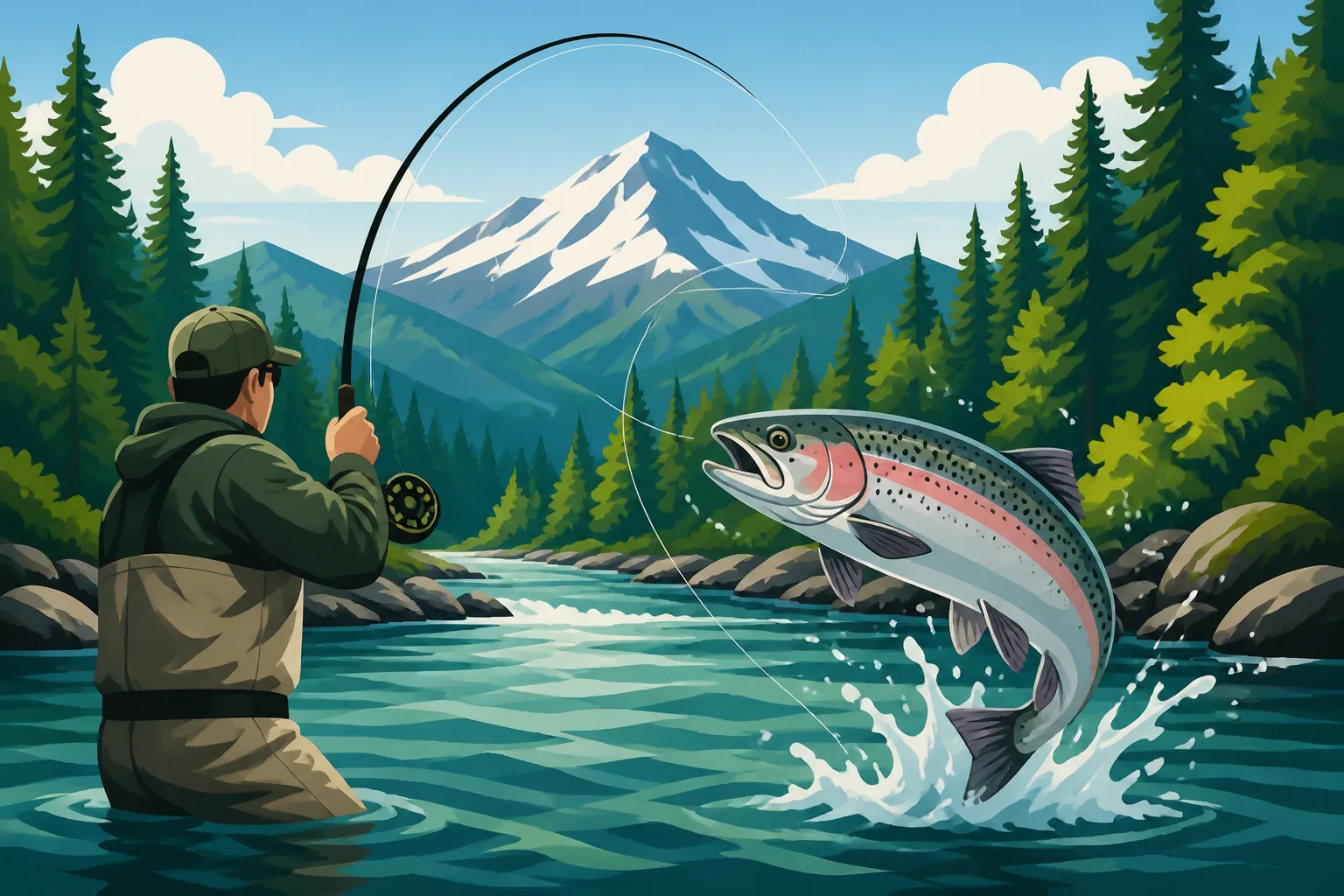
Fishing the Sol Duc River for Wild Steelhead in Washington
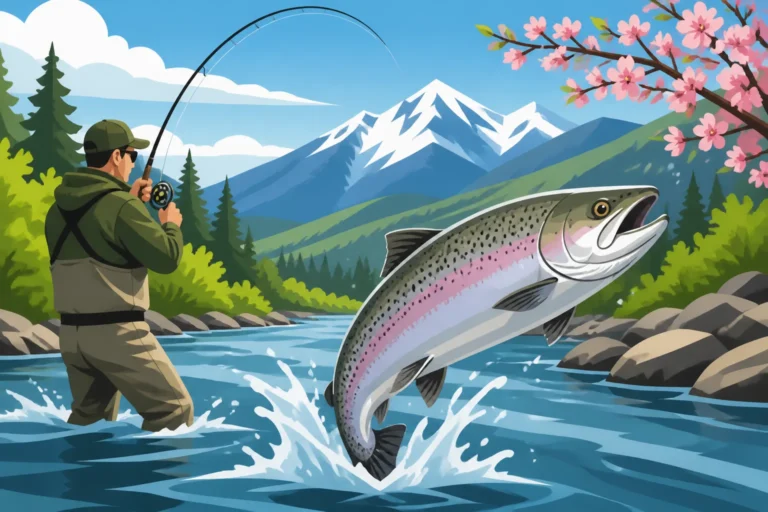
The Olympic Peninsula rivers can be incredibly intimidating, with their ever-changing flows, complex regulations, and the elusive nature of wild steelhead. Many anglers dream of connecting with these incredible fish but feel overwhelmed trying to figure out where to start or how to navigate the challenges. This comprehensive guide is here to demystify fishing the Sol Duc River, providing you with the knowledge and confidence to pursue Washington's iconic wild steelhead.
The Unique Appeal of the Sol Duc River and Its Wild Steelhead
The Sol Duc River isn't just another body of water; it's a living legend among steelhead anglers in Washington. Tucked away on the wild and rugged Olympic Peninsula, this river offers an experience that goes beyond simply catching fish. It's about immersing yourself in pristine wilderness, testing your skills against some of the most challenging and rewarding fish in the Pacific Northwest, and creating memories that will last a lifetime. But what exactly makes the Sol Duc such a revered destination for wild steelhead?
Why the Sol Duc Stands Out for Wild Steelhead
When you talk about Washington steelhead, the Sol Duc often comes up in hushed, reverent tones. This river is a stronghold for wild winter steelhead, boasting healthy runs that have captivated anglers for generations. Unlike some other rivers that rely heavily on hatchery supplementation, the Sol Duc maintains a significant wild population, which translates to incredibly strong, vibrant, and intelligent fish. The landscape itself is breathtaking, flowing through ancient forests of towering cedars and firs, with moss-draped banks and a serene, untouched feel. You're not just fishing; you're exploring an ecosystem that feels truly wild, far removed from the hustle and bustle of city life. The solitude and natural beauty are often as much a draw as the fishing itself, offering a chance to truly disconnect and connect with nature.
The river's character also plays a huge role. The Sol Duc is known for its diverse structure, from deep, slow-moving pools to swift riffles and boulder-strewn runs. This variety means that anglers need to be versatile, adapting their techniques to different water types, which adds an exciting layer of challenge. The clarity of the water can fluctuate dramatically with rain, from gin-clear to a milky green, further demanding adaptability. Successfully deciphering the river's moods and finding those elusive chrome beauties is a profound reward, making every hook-up feel like a true accomplishment earned through skill and perseverance. This isn't a place for easy limits; it's a place for dedicated pursuit and the profound satisfaction of outsmarting a truly wild creature.
Identifying Sol Duc Wild Steelhead
Before you even make your first cast, it's absolutely crucial to understand the difference between wild and hatchery steelhead, especially on a river like the Sol Duc where wild fish are protected. Wild steelhead, those magnificent creatures that have spent their entire lives in the wild without human intervention, are the jewels of the Sol Duc. They are typically identified by the presence of an adipose fin – that small, fleshy fin located between the dorsal fin and the tail. Hatchery steelhead, on the other hand, have had their adipose fin clipped off, a process that happens when they are young to mark them as hatchery-origin fish.
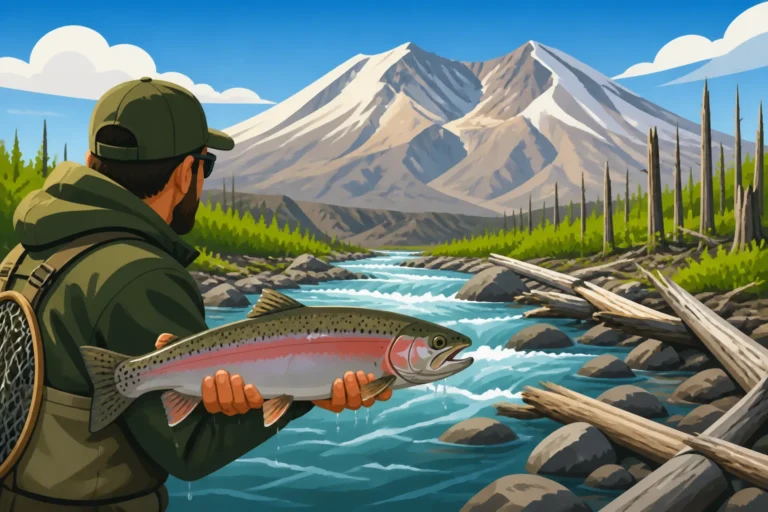
The regulations on the Sol Duc, like many other Olympic Peninsula rivers, are often designed to protect these wild populations. This means that if you hook a wild steelhead, it is almost always mandatory to release it unharmed. This practice, known as catch-and-release, is vital for maintaining healthy wild runs for future generations. Knowing how to quickly and safely identify a wild fish and perform a proper release is not just a good fishing practice; it's a legal requirement and a testament to responsible angling. Always have a pair of forceps or pliers handy for easy hook removal and minimize the fish's time out of the water.
Understanding Sol Duc River Steelhead Seasons and Regulations
Fishing the Sol Duc River for wild steelhead requires more than just casting a line; it demands a deep understanding of the seasons, specific regulations, and the constant possibility of emergency rule changes. Washington's fishing rules are famously intricate, and nowhere is this more apparent than on the Olympic Peninsula, where conservation efforts for wild fish are paramount. Failing to stay informed can not only lead to frustration but also serious penalties, so let's break down what you need to know.
Key Seasons for Sol Duc Steelhead
The Sol Duc River is primarily renowned for its winter steelhead run, which typically kicks off in late fall and can extend well into spring. This is when the largest numbers of wild steelhead return from the ocean, making their way upriver to spawn. The peak of the winter run usually occurs from December through March, though exact timing can vary year to year based on water conditions, snowmelt, and overall fish returns. During these months, anglers brave the often-chilly, wet weather for a chance at these powerful, chrome-bright fish. It's a challenging but incredibly rewarding time to be on the river.
While winter steelhead are the main attraction, the Sol Duc can also see some summer steelhead. These fish, often smaller but incredibly acrobatic, typically enter the river later in the spring and early summer, holding in deeper pools throughout the warmer months. However, the summer fishery is generally much more limited and dependent on specific regulations that change frequently. Always consult the most current Washington Department of Fish and Wildlife (WDFW) regulations before planning a trip, as openings for summer steelhead on the Sol Duc are not guaranteed and can be quite short. Understanding when to expect Winter vs Summer Steelhead Runs in Washington, Explained can give you a significant edge in planning.
Navigating Wild Steelhead Regulations
The regulations for fishing the Sol Duc River are designed with the protection of wild steelhead at their core. This typically means that any wild steelhead encountered must be released unharmed. There are specific rules regarding gear, bait, and even how you handle a fish that are unique to wild steelhead fisheries. For instance, many sections of the Sol Duc, especially during sensitive times, may require the use of single-point, barbless hooks. This rule minimizes harm to fish, allowing for a cleaner release and increasing their chances of survival. Always double-check the current rule pamphlet or the WDFW website for the most up-to-date information on hook requirements and other gear restrictions.
Another critical aspect of fishing the Sol Duc is understanding catch limits and possession limits. While wild steelhead are generally catch-and-release, there might be specific windows or river sections open for hatchery steelhead retention. It's your responsibility to know the difference and adhere to the daily bag limits for any hatchery fish you might encounter. Furthermore, a Washington Catch Record Card is mandatory for all salmon and steelhead fishing, regardless of whether you intend to keep a fish or not. You need to record any kept fish immediately and return the card by the specified deadline. Make sure you understand The Washington Catch Record Card and What It Requires before heading out. The nuances of Wild Steelhead Release Rules on Washington's Olympic Peninsula Rivers are particularly important on this river.
Emergency Rules and Staying Informed
Perhaps one of the biggest frustrations for anglers on the Olympic Peninsula is the frequency of emergency rule changes. These rivers are highly dynamic ecosystems, and WDFW fishery managers closely monitor fish returns, escapement goals, and environmental factors. If returns are lower than anticipated, or if specific conservation needs arise, rules can change overnight. This means a section of the river that was open yesterday might be closed today, or gear restrictions could be implemented without much notice. This constant flux can be disheartening, especially for those planning trips from afar, but it's a necessary part of managing these precious resources.
To avoid disappointment and ensure you're always compliant, it's absolutely essential to check for emergency rule changes immediately before and even during your trip. The WDFW website is the primary source for this information, often posting updates on their "Emergency Rules" page. You can also sign up for email alerts or check local tackle shops, which often have the latest bulletins. Understanding What an Emergency Rule Change Actually Modifies can help you interpret these updates quickly. Never assume the regulations from last week, or even yesterday, are still in effect. Being diligent about checking ensures you have a legal and enjoyable fishing experience, even if it means altering your plans last minute.
Essential Techniques for Sol Duc Wild Steelhead
Fishing for wild steelhead on the Sol Duc is a true test of an angler's skill and patience. These fish are notorious for being challenging, and success often comes down to presenting your offering perfectly in often difficult conditions. The river's diverse structure and varying water clarity mean that a versatile approach is key. While there are many ways to tempt a Sol Duc steelhead, a few techniques consistently prove to be the most effective.
Drift Fishing for Sol Duc Steelhead
Drift fishing is arguably the most popular and effective technique for targeting steelhead in Washington rivers, and the Sol Duc is no exception. This method involves using a weighted rig to present a natural bait or artificial offering (like a Corky and yarn, or an exaggerated bead) near the river bottom, allowing it to tumble naturally with the current. The goal is to imitate a piece of food drifting downstream, making it irresistible to a holding steelhead. A good drift is paramount; your presentation needs to move at the exact speed of the current, without dragging or being swept too quickly. This often requires careful line management and precise weight selection.
Successful drift fishing on the Sol Duc often means covering a lot of water and meticulously working different runs and pools. Anglers typically cast slightly upstream and across, letting their gear swing through the likely holding lies—those areas behind boulders, in seams of current, or along ledges where steelhead might rest. When a steelhead takes the bait, it's often a subtle tap or a sudden stop, rather than a violent strike. Setting the hook quickly and firmly is critical. This method is incredibly versatile and can be fished from the bank or a drift boat, making it accessible to many. For more in-depth knowledge, consider our guide on Drift Fishing for Steelhead in Washington Rivers.
| Component | Description | Why it's important for Sol Duc Steelhead |
|---|---|---|
| Rod | 9-10.5 ft, Medium-Light to Medium action, sensitive tip. | Provides reach, cushions powerful runs, detects subtle bites. |
| Reel | Spinning or Baitcasting, smooth drag, capable of holding 150+ yds of line. | Essential for fighting strong fish and managing long drifts. |
| Mainline | 10-15 lb monofilament or braided line. | Mono offers stretch and knot strength; braid offers sensitivity. |
| Leader | 8-12 lb fluorocarbon, 2-4 ft length. | Low visibility in clear water, abrasion resistance in rocky areas. |
| Weight | Slinky weights, pencil lead, or hollow-core lead, varying sizes. | Allows the bait to hug the bottom and drift naturally with current. |
| Hooks | Single-point, barbless, size 1 to 2/0 (check regulations carefully). | Mandatory for wild steelhead areas, minimizes fish harm. |
| Bait/Lures | Cured roe, beads, Corkies and yarn, small jigs. | Mimics natural food sources, triggers strikes. |
Fly Fishing the Sol Duc's Runs
For many, fly fishing for wild steelhead on the Sol Duc is the ultimate pursuit. It's an elegant, challenging, and deeply rewarding way to connect with these fish. The Sol Duc's runs and riffles are perfectly suited for various fly fishing techniques, from swinging classic Spey flies to nymphing deeper slots. Swinging a fly involves casting downstream and across, allowing the current to create a "swing" that presents the fly to waiting steelhead. This is a highly visual and often exhilarating method, as the take can be a powerful tug. Two-handed Spey rods are commonly used for this, allowing for long casts and efficient coverage of expansive water.
Nymphing, another effective fly fishing technique, involves using weighted nymphs or egg patterns under an indicator to target fish holding near the bottom. This method is particularly useful in deeper, slower pools or when fish are less aggressive and unwilling to chase a swung fly. Precision in reading the water and mending your line to achieve a drag-free drift is crucial. The Sol Duc's clear water periods can make fly fishing especially productive, as fish are more likely to see and respond to a well-presented fly. Whether you're a seasoned fly angler or looking to expand your skills, the Sol Duc offers an incredible arena to hone your craft. Check out Fly Fishing Techniques for Winter Steelhead in Washington for more detailed instruction.
Other Effective Methods
While drift fishing and fly fishing dominate the Sol Duc, other methods can also be successful depending on conditions and regulations. Float fishing, for instance, uses a large bobber (often called a "float" in steelhead circles) to suspend a bait or jig at a specific depth, allowing it to drift naturally through a run. This can be incredibly effective in slower, deeper pools or when fish are holding in a consistent water column. Floats offer excellent bite detection and keep your offering off the bottom, preventing snags in rocky areas.
Spin fishing with lures like spoons or spinners can also produce results, especially in slightly off-color water or when fish are aggressive. Brightly colored spoons or spinners cast across and slightly upstream, then retrieved with a steady retrieve, can trigger an aggressive reaction strike. However, always double-check regulations regarding treble hooks and barbs, as many sections of the Sol Duc may restrict these. Regardless of your chosen method, the key to success on the Sol Duc is persistence, adapting to conditions, and maintaining an unwavering focus on presenting your offering in the most natural way possible to these wary wild steelhead.
Accessing the Sol Duc River and Planning Your Trip
The Sol Duc River, being nestled within the Olympic National Park and surrounding forests, presents unique challenges and opportunities for access. While its wild setting is part of its charm, it also means that getting to and fishing certain stretches requires careful planning. Whether you prefer to fish from the bank or drift the river by boat, understanding the access points and what to expect is crucial for a successful trip.
Public Access Points and Bank Fishing
For anglers who prefer the simplicity and challenge of bank fishing, the Sol Duc offers several public access points, though they can sometimes be spread out and require a bit of hiking. Many of these access points are found along the Sol Duc Road, which eventually leads into the Olympic National Park. Look for pull-offs, designated parking areas, and trails that lead down to the river. Popular spots might include areas near the Salmon Cascades, though these are often more for viewing than active fishing due to regulations and high angling pressure. Downstream from the National Park boundary, there are also various WDFW access sites.
It's important to remember that bank access on a wild river like the Sol Duc can be rugged. Expect uneven terrain, slippery rocks, and dense brush. Good wading boots with felt or stud soles are essential for traction, and a wading staff can provide extra stability. Always respect private property boundaries and only access the river where public easements or lands allow. For those new to the area, connecting with local tackle shops in Forks or Port Angeles can provide invaluable, up-to-the-minute information on accessible spots and current river conditions. If you're wondering How to Fish the Sol Duc Without a Guide, knowing these access points is your first step.
Drifting the Sol Duc by Boat
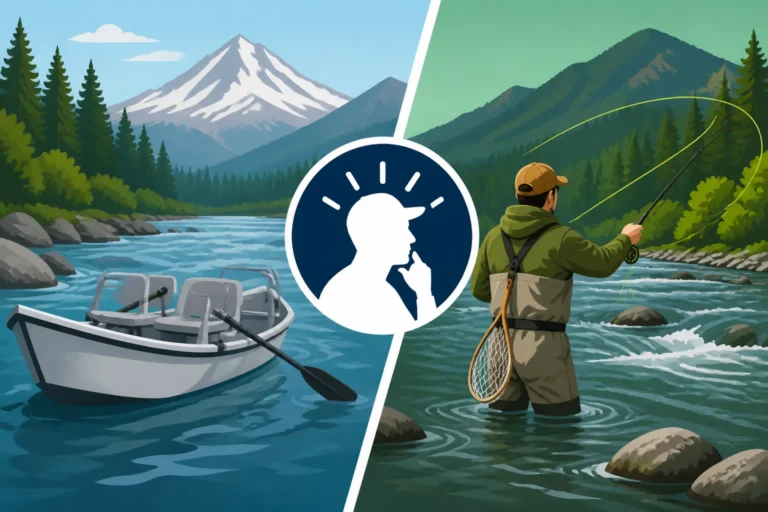
For many experienced steelhead anglers, drifting the Sol Duc by boat (typically a McKenzie-style drift boat or raft) is the preferred way to cover water and access prime fishing lies that are unreachable from the bank. The river offers several float sections, each with its own character and challenges. Popular launch and take-out points exist, but navigating the Sol Duc can be tricky, especially during high flows, due to numerous log jams, swift currents, and shallow areas. It's not a river for inexperienced boaters. Always scout your chosen section thoroughly, or go with someone who knows the river well.
A typical drift boat trip allows anglers to methodically work prime holding water with drift fishing techniques or to swing flies through long runs. The ability to move quickly between spots and fish both sides of the river significantly increases your chances of finding fish. However, using a boat also comes with responsibilities: adhering to specific boat ramp regulations, having all required safety gear onboard, and respecting other anglers, both those in boats and those on the bank. Always be aware of any specific boating restrictions or closures that might be in place, as these can change with emergency rule updates. Remember, Fishing From Boats vs Banks: Different Rules can apply.
Essential Gear for Your Sol Duc Trip
Preparing for a Sol Duc steelhead trip means gearing up for the unpredictable Pacific Northwest weather and the rigors of river fishing. Layering is critical, as temperatures can fluctuate wildly, and rain is always a possibility. Waterproof outer layers, including a good rain jacket and pants, are non-negotiable. Waders and wading boots are also essential, providing warmth and protection in the cold river water. Opt for breathable waders for comfort, even in winter, as you'll likely be doing a fair amount of walking.
Beyond clothing, ensure you have the right fishing tackle. A durable steelhead rod (9-10.5 feet, medium-light to medium action) paired with a reliable reel with a smooth drag is crucial. Carry a variety of terminal tackle, including different weights (slinkies, pencil lead), leaders (fluorocarbon in 8-12lb), and hooks (single-point, barbless, sizes 1 to 2/0). Don't forget your chosen baits or lures, whether it's cured roe, an array of beads, Corkies, or a selection of flies. A landing net (rubberized mesh is best for fish care), line clippers, forceps, and a measuring tape round out the essential gear for a responsible Sol Duc angler.
Hiring a Guide for Your Sol Duc Adventure
For many anglers, especially those visiting the Sol Duc for the first time or looking to maximize their chances of success, hiring a professional fishing guide is an invaluable investment. The Sol Duc can be a challenging river to navigate, both in terms of its physical features and its complex regulations. A good guide offers not just expertise but also a significant advantage in safely and effectively pursuing wild steelhead.
Benefits of a Guided Trip on the Sol Duc
One of the most significant benefits of booking a guided trip on the Sol Duc is the sheer wealth of local knowledge your guide possesses. They spend countless hours on the water, tracking fish movements, understanding river conditions, and knowing exactly where the steelhead are likely to be holding on any given day. This insider information can drastically increase your chances of hooking up, saving you countless hours of trial and error. Furthermore, guides are intimately familiar with the ever-changing regulations, ensuring your trip is always compliant and worry-free. They will know precisely when and where to use specific gear, what baits are legal, and how to properly handle and release wild fish, adhering to Catch-and-Release Rules During Wild Steelhead Closures.
Beyond finding fish, a Sol Duc guide provides all the necessary equipment, from high-quality rods and reels to a comfortable drift boat and all the terminal tackle you could need. This means you don't have to worry about buying or transporting specialized gear, making the trip much more accessible, especially for out-of-state visitors. Guides also teach you effective techniques, fine-tuning your cast, mending skills, or drift presentation, which are invaluable lessons you can take to future trips. They handle the logistical headaches—launching the boat, navigating the river, providing shore lunches—allowing you to focus entirely on the fishing experience and the stunning surroundings.
How to Choose a Sol Duc Steelhead Guide
When you decide to book a guide for the Sol Duc, it's essential to do your homework to find the right fit for your experience level and expectations. Start by looking for guides who specialize in wild steelhead on Olympic Peninsula rivers. Experience on the Sol Duc specifically is a huge plus. Online reviews, recommendations from local tackle shops, and fishing forums are great resources for finding reputable guides. Look for guides who prioritize fish conservation, practice ethical angling, and have a strong safety record.
When you contact potential guides, don't hesitate to ask questions. Inquire about their experience, what their typical trip involves, and what you should bring. Confirm that they are licensed and insured, which is a non-negotiable for professional guides in Washington. Discuss pricing, what's included (e.g., lunch, tackle), and their cancellation policy, especially given the unpredictable weather and emergency closures common on the Olympic Peninsula. Websites like FishingBooker can be a convenient platform to browse profiles, compare guides, and read reviews, helping you make an informed choice. Booking well in advance, especially for peak winter steelhead season, is highly recommended to secure your preferred dates with a top-notch Sol Duc guide.
Disclaimer
Please note that fishing regulations in Washington State, particularly for sensitive species like wild steelhead on rivers like the Sol Duc, can change frequently and without much notice. While this guide provides general information, it is absolutely essential to consult the most current Washington Department of Fish and Wildlife (WDFW) regulations before heading out on any fishing trip. Always check the WDFW website for emergency rule changes, season updates, and specific gear restrictions that may apply to the Sol Duc River at the time of your visit. Your adherence to these rules ensures responsible angling and the continued health of Washington's fisheries.