Kokanee: Washington’s Landlocked Sockeye
For many Washington anglers, the dream of battling a salmon often conjures images of big boats on Puget Sound or formidable rivers, which can feel inaccessible or overly complicated. But what if I told you there’s a feisty, abundant salmonid right here in our freshwater lakes that offers incredible sport and delicious eating, without the need for an ocean-going vessel or specialized river expertise? This guide is going to peel back the layers on Kokanee salmon, Washington's spirited landlocked Sockeye, and show you exactly how to find, catch, and enjoy them, making freshwater salmon fishing a reality for everyone.
Understanding Washington's Kokanee Salmon
Kokanee salmon are a true gem in Washington's freshwater fisheries, often surprising anglers with their spirited fights and silvery beauty. They represent a unique branch of the salmon family, thriving entirely within freshwater environments, which makes them quite distinct from their ocean-going cousins. If you've ever yearned for a salmon fishing experience without the complexities of tides or saltwater gear, Kokanee are definitely worth getting to know.
The Sockeye Salmon Connection
It might sound a bit like a family secret, but Kokanee are, in fact, the landlocked form of Sockeye salmon. Think of them as Sockeye that decided to skip the long, arduous journey to the ocean. Instead, they complete their entire life cycle within freshwater lakes, spending their years foraging for zooplankton before returning to their natal streams or lake shores to spawn and complete their journey. This intrinsic connection means they share many of the same traits as Sockeye, including their preference for cool, deep water and their brilliant red spawning coloration. The biggest difference, besides the lack of an ocean phase, is typically their size; Kokanee are generally smaller than anadromous Sockeye but every bit as tenacious on the line.
They maintain the same genetic makeup and many of the same instincts, just adapted to an inland existence. This is fascinating because it means you're essentially catching a freshwater salmon, a true anomaly for many anglers used to thinking of salmon as strictly saltwater creatures. This unique characteristic is part of what makes Kokanee fishing such a special pursuit here in Washington, offering a glimpse into the incredible adaptability of salmon species.
Physical Characteristics and Identification
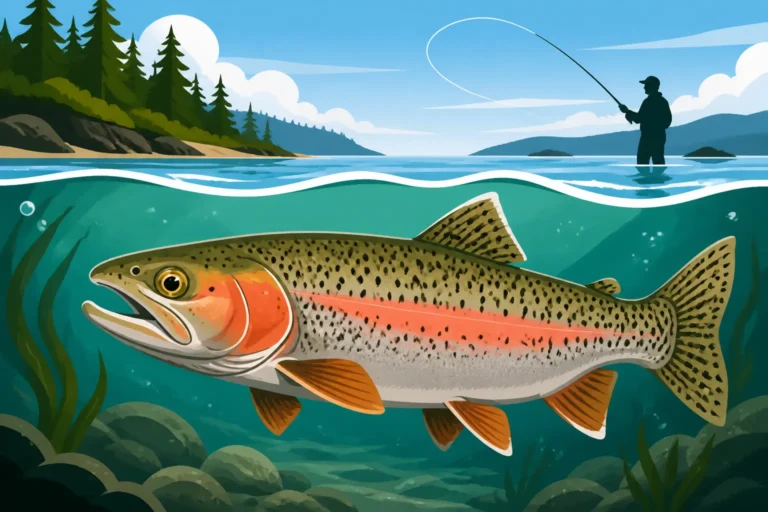
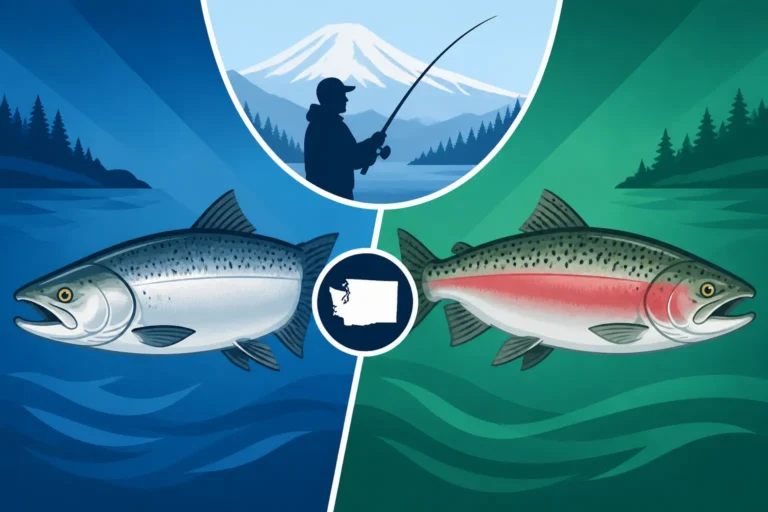
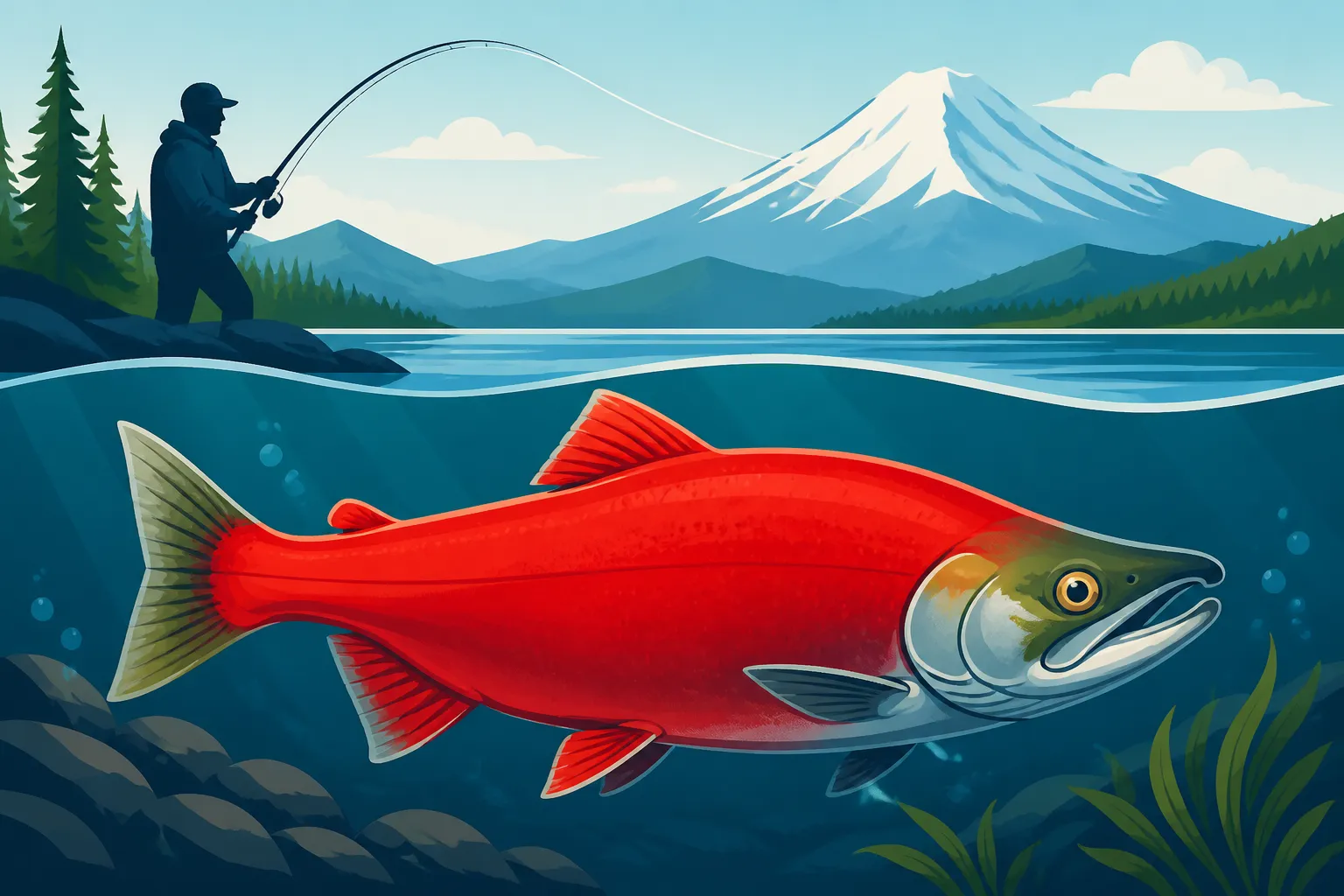
Kokanee are beautiful fish, often characterized by their bright silver sides when they're actively feeding, with a distinct blue-green back. They typically have a slender body, an adipose fin, and fine, sparse black spots along their back and tail, though these spots can sometimes be faint. Unlike some other salmon species, Kokanee rarely have spots below the lateral line, which can be a helpful identifying feature. As they approach spawning season, their coloration undergoes a dramatic transformation. Males, and to a lesser extent females, will develop vibrant red bodies, green heads, and often a pronounced humped back and hooked jaw (kype). This stunning change is one of the most remarkable sights in the angling world and is a clear indicator that the fish are preparing for their final act.
Their size can vary greatly depending on the lake and available food sources. In some Washington lakes, a trophy Kokanee might be a plump 18-inch specimen, while in others, a 12-inch fish is considered excellent. They are typically smaller than other salmon species, but their firm, orange-red flesh is highly prized for its flavor and texture, making them a fantastic table fish. Their small, delicate mouths require careful hook sets and a gentle touch when fighting them, as they can tear free easily.
Life Cycle and Behavior
The life cycle of a Kokanee salmon is centered entirely around its freshwater lake habitat. After hatching in gravel beds of tributary streams or along oxygenated lake shorelines, juvenile Kokanee spend their first few years growing and maturing in the open waters of the lake. Their diet consists almost exclusively of zooplankton, tiny aquatic crustaceans that they filter from the water column. This diet is crucial for their growth and is why Kokanee thrive in deep, clear lakes with abundant plankton populations. As they mature, typically around three to four years of age, they undergo a series of physiological changes, including the aforementioned stunning color transformation.
When the time comes to spawn, usually in late summer or fall, Kokanee will migrate from the open lake to their spawning grounds. This can be up tributary streams, much like their Sockeye cousins, or directly onto gravelly lake shoals where there's adequate water flow and aeration for their eggs. After depositing and fertilizing their eggs, the adult Kokanee will die, completing their life cycle and contributing nutrients back to the ecosystem. Understanding this cycle helps anglers anticipate their movements and fishing patterns throughout the year.
Where Washington's Kokanee Salmon Live
Finding Kokanee is all about understanding their preferred environment. While Washington state boasts an incredible diversity of fisheries, Kokanee salmon are quite specific in their habitat requirements. They need cool, deep, oxygen-rich lakes with abundant zooplankton, which really narrows down the options. However, for those lakes that fit the bill, the Kokanee populations can be incredibly strong and provide fantastic fishing opportunities.
Top Washington Kokanee Lakes
Washington is blessed with several premier Kokanee destinations that consistently produce good fishing. Each lake offers a slightly different experience, but all hold the potential for a memorable trip.
- Lake Chelan: This massive, deep lake in North Central Washington is often considered the state's crown jewel for Kokanee. Its sheer size and depth provide ideal conditions, and anglers regularly pull out large, healthy fish. Fishing here often involves deep trolling, sometimes down to 100 feet or more, chasing the schools that suspend over vast depths. It's a stunning location, but the scale of the lake can be daunting for newcomers.
- Lake Roosevelt: Formed by the Grand Coulee Dam, Lake Roosevelt is another excellent Kokanee fishery, particularly in its upper reaches. The sheer volume of water and the extensive food base support a robust population. Fishing here can be very productive, especially from spring through summer, with anglers often focusing on the main channel or larger bays. Fishing Lake Roosevelt in Washington for Kokanee and Walleye covers more about this expansive body of water.
- Merwin Lake: Located in southwest Washington, Lake Merwin is renowned for its trophy-sized Kokanee. These fish are known to grow significantly larger here than in many other waters, making it a bucket-list destination for many. The lake's deep, cold waters and nutrient-rich environment contribute to this exceptional growth. Anglers often employ precise trolling techniques to entice these larger fish.
- Rimrock Lake: Nestled in the eastern Cascades, Rimrock is a popular spot for Kokanee, especially during the earlier parts of the season. It offers beautiful mountain scenery and generally good access. The fish here are often consistent in size and willing biters, making it a great choice for a productive day on the water.
- Other notable lakes: Don't forget smaller, but often productive, lakes like Cle Elum Lake, Lake Wenatchee, and some of the smaller impoundments in Eastern Washington. Each has its own rhythm and hot spots, so it's always worth checking local reports and regulations.
Habitat Preferences in Lakes
Kokanee are pelagic fish, meaning they prefer the open water of lakes rather than sticking close to shorelines or structure. They are highly sensitive to water temperature and dissolved oxygen levels, which dictate their depth throughout the year. Typically, they thrive in waters between 48°F and 54°F. In the spring and early summer, as surface waters warm, Kokanee will move deeper, seeking their preferred temperature range. In many of Washington's larger lakes, this means they'll suspend anywhere from 30 to 100 feet down, sometimes even deeper. They also prefer areas with abundant zooplankton, which often means fishing areas where currents or thermoclines concentrate these tiny food sources.
Understanding these preferences is key to success. You won't typically find Kokanee lurking in shallow, weed-choked bays or tight to fallen timber. Instead, focus on the vast, open water sections of deep lakes, especially around underwater ledges, points, or sudden changes in bottom contour that can create upwellings or currents. These subtle features can concentrate the plankton they feed on, and thus, the Kokanee themselves.
Finding Kokanee in the Water Column
Because Kokanee suspend in open water, finding them often requires a good fish finder. These electronic devices are invaluable for locating schools of fish and identifying the depth at which they are holding. Look for "arches" or "blobs" on your sonar screen, often appearing in specific layers. Once you pinpoint a depth, it's crucial to adjust your gear to present your lures or bait right in that zone. Downriggers are practically essential for consistent Kokanee fishing, as they allow you to precisely control the depth of your presentation. Without one, you'll be guessing, and Kokanee are often too particular for guesswork.
As the day progresses or weather patterns change, Kokanee can shift their depth, sometimes moving up or down several feet. Being observant and checking your fish finder regularly is key to staying on the fish. Many experienced anglers also pay attention to how fish are reacting to their lures; if bites slow down, it might be a sign they've moved, or that you need to adjust your speed or lure presentation. Experimentation is always part of the game when targeting these finicky but rewarding fish.
The Best Times to Target Washington Kokanee
Timing is everything when it comes to Kokanee fishing. These fish are creatures of habit and climate, and understanding their seasonal patterns, daily movements, and temperature preferences can dramatically increase your chances of success. It's not just about showing up at the lake; it's about showing up when the Kokanee are most active and accessible.
Seasonal Patterns
Kokanee fishing in Washington generally kicks off in spring, often from April or May, as the ice recedes and water temperatures begin to rise. During this time, Kokanee are often found in the upper layers of the water column, making them more accessible to anglers without specialized deep-trolling gear. As summer progresses, typically from June through August, the surface waters warm significantly, driving Kokanee deeper into the cooler, oxygenated zones of the lake. This is when downriggers and precise depth control become absolutely critical. This is also often when they put on significant size, as they feed aggressively.
Towards late summer and early fall, as the water temperatures begin to drop and the days shorten, Kokanee start their pre-spawning migrations. Their focus shifts from feeding to reproduction, and their silvery bodies transform into brilliant reds. They'll move towards their spawning grounds in tributary streams or along lake shorelines. While they can still be caught during this time, they become less interested in feeding, and their meat quality can start to decline as their bodies prepare for spawning. By late fall, once spawning occurs, the adult Kokanee will die, concluding their life cycle. Knowing these patterns helps you select the best season for your target experience, whether it's active feeding fish or the impressive spawning coloration.
Daily Timing and Light Conditions
Just like many other fish, Kokanee tend to be most active during periods of low light. This means early mornings and late evenings are often the prime bite windows. During these times, light penetration into the water is reduced, making the fish feel more secure as they forage. The low light also disperses plankton a bit more broadly, encouraging Kokanee to feed more aggressively. Anglers who are on the water right at sunrise, or who stay through sunset, often report the best success.
Mid-day fishing, especially on bright, sunny days, can be more challenging. The increased light penetration can drive Kokanee deeper, or they might become more lethargic and less willing to chase lures. However, even during the middle of the day, consistent trolling at the right depth with the right presentation can still yield results. Overcast days, or those with light rain, can sometimes extend the productive low-light bite windows throughout the day, as the natural light is diffused. Always remember that fish are influenced by light, and adjusting your tactics accordingly is a sign of an experienced angler.
Impact of Water Temperature
Water temperature is perhaps the single most critical factor influencing Kokanee location and activity. As mentioned, their preferred temperature range is quite narrow, typically between 48°F and 54°F. This "thermocline" – the layer where warm surface water meets cold deep water – is a thermal highway for these fish. In spring, when the entire lake is cool, they might be near the surface. But as summer heats up, they'll descend to the thermocline, which could be 30, 60, or even 100 feet down, depending on the lake and time of year.
A good fish finder often helps identify the thermocline. Once you know where it is, you can bet that the Kokanee will be somewhere within or just above it. Fluctuations in water temperature, whether due to weather changes or currents, can cause Kokanee to move up or down the water column, even by just a few feet. Being able to read your electronics and make quick depth adjustments is paramount. Ignoring the water temperature is like trying to find a needle in a haystack; paying attention to it is like having a metal detector pointed right at the needle.
Effective Fishing Techniques for Washington Kokanee
Catching Kokanee is a delicate art that combines precise depth control, subtle lure presentation, and patience. These fish have soft mouths and can be finicky eaters, so having the right gear and employing the correct techniques are paramount. It's not about brute force; it's about finesse and understanding their behavior.
Jigging for Deep Kokanee
While trolling is often the go-to method, jigging can be incredibly effective, especially when Kokanee are schooled up tightly or when you're targeting fish in specific structures or deeper holes. The technique involves dropping a small, flashy jig directly down to the depth where fish are holding, then imparting a subtle jigging motion. This could be a slow lift and fall, or a series of quick snaps to mimic a fleeing baitfish or insect. Jigging for Kokanee in Washington Lakes goes into even more detail on this technique.
Popular jigs for Kokanee are often small, teardrop-shaped lures, sometimes tipped with a kernel of shoepeg corn or a small piece of worm for added scent and appeal. Color can be crucial, with pink, orange, chartreuse, and white being common favorites, often with UV or glow finishes for deep-water visibility. The key is to experiment with different jigging actions and colors until you find what the fish are responding to on a given day. A light action rod with sensitive tip is essential to detect the often subtle takes of a Kokanee, which can feel more like a slight weight than an aggressive bite.
Trolling Techniques and Gear
Trolling is undeniably the most popular and often the most effective method for Kokanee in Washington. It allows you to cover vast amounts of water and present your lure at a consistent depth. The basic setup involves a downrigger to achieve precise depth, followed by a dodger or flasher, and then a small lure or bait. The dodger or flasher creates an enticing action and flash, attracting Kokanee to the trailing lure. Downrigging for Deep Kokanee in Summer is an excellent resource if you're looking to master the art of precise depth control.
- Lures: Small Kokanee spoons, hoochies (squid skirts), and wedding ring spinners are exceptionally popular. Colors like pink, orange, red, and chartreuse are perennial favorites, often enhanced with UV or glow properties for visibility in deeper, darker waters. You can find a vast array of these specialized lures and dodgers on Amazon, where many anglers share reviews and tips for different brands and styles.
- Leader Length: The distance between your dodger/flasher and your lure is critical, usually ranging from 8 to 24 inches, depending on the lure type and desired action. A shorter leader might give more erratic action, while a longer one allows the lure to swim more naturally.
- Speed: Kokanee generally prefer a slower troll, typically between 1.0 and 1.8 miles per hour. However, it's vital to experiment. Sometimes a slight increase or decrease in speed can trigger more bites. Using a GPS speed indicator on your boat or fish finder is very helpful for maintaining consistent speed.
- Scent: Tipping your lure with shoepeg corn (often dyed and scented), maggots, or a dab of a fish-attracting scent like Pautzke's Krill or Pro-Cure is almost mandatory for Kokanee. These scents provide an irresistible attractant that can turn a "looker" into a "biter." Many anglers swear by specific corn colors and scent combinations, often experimenting until they find the day's hot ticket. You can easily stock up on these essentials on Amazon before your trip.
Bait and Scent Choices
While lures do a great job of attracting Kokanee, bait and scent add an undeniable advantage. As mentioned, shoepeg corn is king. It's firm enough to stay on the hook, soft enough for a Kokanee to eat, and can be easily dyed and infused with scent. Common scents include Anise, Garlic, Shrimp, and Krill. Many anglers prepare their corn days in advance, soaking it in their favorite concoction. Using different colors and scents of corn on multiple rods can quickly reveal what the fish prefer on any given day.
Beyond corn, maggots or wax worms can also be effective, especially when jigging or when fish are particularly finicky. They offer a natural protein source and a different profile. It's not uncommon for anglers to combine offerings, perhaps a kernel of corn and a maggot, to create a super-enticing presentation. Always remember that Kokanee are plankton eaters primarily, so subtle, natural presentations with added scent often outperform aggressive, large baits. Finding the perfect combination sometimes feels like rocket science, but the reward of a bending rod makes the effort worthwhile.
Washington's Kokanee Regulations and Your Catch Record Card
Navigating fishing regulations can sometimes feel like trying to solve a puzzle with half the pieces missing, but when it comes to Kokanee in Washington, it's generally straightforward. However, it's absolutely crucial to be aware of both statewide rules and any lake-specific exceptions, as these can change to protect fish populations. Missing these details can lead to fines and a ruined day on the water, and nobody wants that!
General Statewide Rules
For Kokanee salmon in Washington, you'll typically find a generous daily limit in most general freshwater regulations. Often, the daily limit for Kokanee can be quite high, sometimes 10 fish or even more, but this can vary drastically by specific waterbody. There are usually no minimum size limits for Kokanee, which is great because it means most healthy fish you hook can be kept. However, it's paramount to always, always consult the current Washington Sport Fishing Regulations pamphlet for the precise rules pertaining to the specific lake you plan to fish. You can usually find the most current regulations online or pick up a physical copy at any license dealer. Reading the Washington Sport Fishing Regulations Pamphlet is a great guide to help you decipher all the official details.
Another key statewide rule to remember is the requirement for a valid fishing license. Whether you're a resident or a non-resident, if you're 15 years or older, you'll need one. You can easily purchase your license online through the WDFW website or at many sporting goods stores. Make sure your license is current and valid for freshwater fishing. Where and How to Buy a Washington Fishing License offers a comprehensive walkthrough of the process.
Lake-Specific Exceptions
This is where things can get a little tricky, so pay close attention. While statewide rules provide a baseline, many of Washington's best Kokanee lakes have special rules in place to manage their unique fisheries. For example:
- Lake Chelan might have specific bag limits or seasons that differ from general regulations due to its unique Sockeye and Kokanee populations and management goals.
- Lake Merwin, known for its larger Kokanee, could have different rules regarding retention or even gear restrictions aimed at protecting its trophy fishery.
- Other lakes might have special rules regarding motor restrictions, bait bans, or selective gear rules that affect how you can fish for Kokanee. For instance, some lakes might prohibit the use of barbed hooks, or limit the number of lines you can fish at once. Barbless Hook Requirements on Washington Rivers could be relevant if your Kokanee lake also has river sections.
It is your responsibility as an angler to check the regulations for your chosen body of water before you even wet a line. A quick check of the online regulations can save you a lot of headache and potential heartache. These exceptions are put in place for a reason – to ensure the sustainability of these fantastic fisheries for everyone, so respecting them is key to responsible angling.
Catch Record Card Requirements
When you're fishing for Kokanee, especially if they are part of a larger salmonid population, you might need a Catch Record Card. While typically associated with anadromous (sea-run) salmon and steelhead, some specific regulations might require Kokanee to be recorded, particularly if they are mixed with Sockeye or other species. The Washington Catch Record Card and What It Requires article provides a detailed explanation of when and why these cards are necessary.
Even if a Catch Record Card isn't explicitly required for all Kokanee in all lakes, it's a good practice to be familiar with how they work. If you accidentally hook a Sockeye while targeting Kokanee in a lake where Sockeye retention is allowed and requires a card, you'll need to know how to properly fill it out. This ensures that valuable harvest data is collected, which in turn helps fisheries managers make informed decisions about future seasons and limits. Knowing how to fill out the card correctly, even if you rarely use it, is part of being a prepared and responsible angler in Washington. You can even learn How to Report Catch With the Fish Washington App for added convenience.
The Joy and Rewards of Kokanee Fishing
There's something truly special about targeting Kokanee in Washington. It's a fishing experience that's accessible, often productive, and delivers a unique blend of challenge and reward. From the fight on the line to the taste on the plate, Kokanee offer a full package for the freshwater angler.
Why Anglers Love Kokanee Fishing
Part of the appeal of Kokanee fishing lies in its vibrant, active nature. When you find a school, the action can be fast and furious, with multiple hook-ups possible. This makes it an incredibly engaging experience, especially for families or new anglers who thrive on consistent bites. Unlike some species that require hours of patient waiting, Kokanee fishing often rewards persistence and an understanding of their behavior. They hit lures aggressively, providing a surprisingly spirited fight for their size, often making acrobatic jumps and strong runs that belie their smaller stature.
Moreover, the scenery in many of Washington's Kokanee lakes is simply breathtaking. Whether it's the rugged peaks surrounding Lake Chelan or the expansive waters of Lake Roosevelt, the natural beauty adds another layer of enjoyment to the pursuit. It's an opportunity to escape the hustle and bustle, soak in the tranquility of nature, and connect with the outdoors, all while chasing a fantastic sport fish. There's a strong community of Kokanee anglers too, sharing tips and tricks online and on the water, which makes the learning curve enjoyable and collaborative.
Preparing Your Catch
One of the biggest rewards of Kokanee fishing is bringing home a cooler full of delicious, fresh fish. Kokanee are renowned for their firm, bright orange-red flesh, which is incredibly flavorful and holds up well to various cooking methods. They are often compared to Sockeye salmon in taste and texture, which is high praise indeed.
Here's a simple table of popular ways to prepare your Kokanee:
| Preparation Method | Description | Key Flavor Profile |
|---|---|---|
| Grilled | Fillets or whole fish (scaled, gutted) lightly seasoned with salt, pepper, lemon, and herbs, cooked over medium-high heat until flaky. | Smoky, delicate, fresh. |
| Baked | Fillets baked with butter, garlic, dill, and a splash of white wine. Can be done in foil packets for easy cleanup. | Moist, rich, herbaceous. |
| Smoked | Brined fillets slow-smoked with alder, cherry, or applewood. Excellent for preservation and a deep, savory flavor. | Intense, sweet-smoky, savory. |
| Pan-Fried | Skin-on fillets dusted lightly with flour or cornmeal, fried in butter or oil until crispy skin and flaky meat. | Crispy, buttery, straightforward. |
| Canning | Cooked and sealed in jars, ideal for long-term storage and convenient meal prep. Often done with a little salt and olive oil. | Rich, tender, ready-to-eat protein. |
Regardless of your preferred method, the key is to handle your catch with care. Bleed them quickly after landing and get them on ice to preserve their quality. The delicate flavor of Kokanee is truly a culinary treat, perfect for a family dinner or sharing with friends.
Conservation and Sustainability
As with all fishing, responsible angling practices are paramount to ensuring the continued health of Washington's Kokanee populations. While Kokanee are often abundant, proper management and angler etiquette are essential. Always adhere to bag limits and regulations, even if you feel you could catch more. Release any fish that aren't intended for the table gently and quickly, minimizing their stress.
Consider using barbless hooks, especially if you anticipate a lot of catch-and-release fishing. Barbless hooks make it much easier to unhook fish with minimal harm, increasing their chances of survival. Using a descending device for deep-caught fish, while more common for bottomfish, can also be a consideration if you're releasing Kokanee that show signs of barotrauma from being brought up from extreme depths. By being mindful of our impact, we can all contribute to keeping Washington's Kokanee fisheries vibrant and thriving for generations to come.
Disclaimer
This article is for general informational purposes only and does not constitute professional advice. Laws, prices and regulations vary by location and change over time. Consult a qualified professional for guidance on your specific situation.