Do Washington Charters Clean Your Fish for You?
One of the most common questions I hear from folks new to fishing in Washington, or even seasoned anglers trying a new type of charter, is about fish cleaning. You've just spent a fantastic day on the water, maybe battled a chrome bright Puget Sound salmon or wrestled a hefty halibut off the coast, and now you're looking at your prize, a little tired, and wondering: "Am I going to be spending the next two hours covered in scales, or will the charter take care of it?" It's a completely fair question, and the answer, like many things in the world of fishing, isn't always a simple yes or no, but often "it depends." This guide will help you understand what to expect when it comes to fish cleaning services on Washington fishing charters, so you can plan accordingly and enjoy your catch to the fullest.
The Standard Practice: What Most Charters Offer
When you book a fishing charter in Washington, whether you're targeting salmon in the rich waters of Puget Sound or bottomfish off the rugged Pacific coast, there's a pretty good chance that some form of fish cleaning will be offered. It's almost an unwritten rule in the charter world that they'll help you get your fish ready for the cooler, but the extent of that service can really differ.
Filleting and Bagging at the Dock
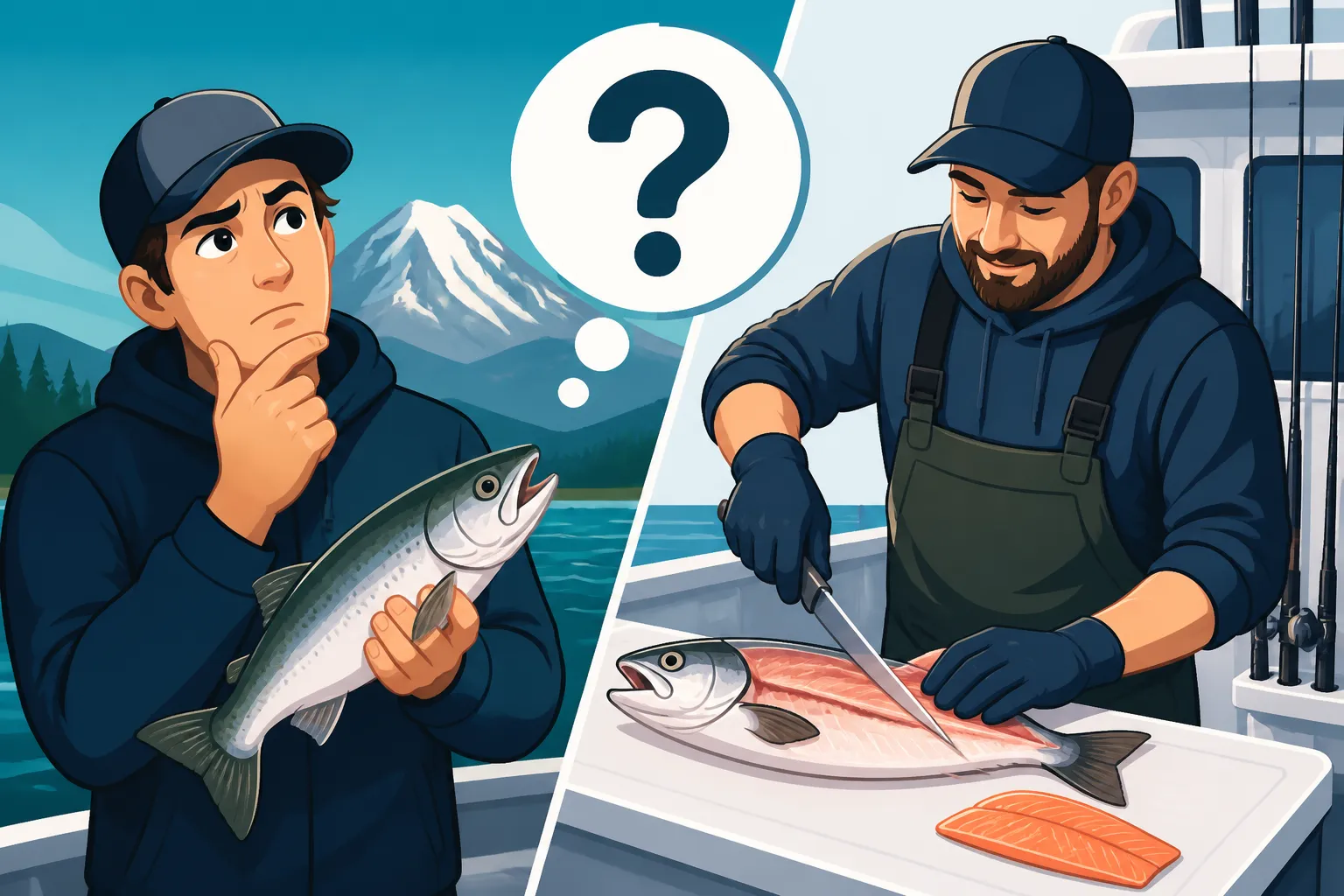
For many Puget Sound salmon charters or offshore bottomfish trips out of places like Westport, the default service typically involves filleting your catch. This usually happens right at the dock after your trip concludes, or sometimes even onboard if the boat has the space and facilities. Imagine pulling into the marina, the gulls crying overhead, and the deckhands swiftly transforming your whole fish into neat, boneless, skin-on or skin-off fillets. They'll often bag these fillets for you, usually in clear plastic bags, and sometimes even ice them down if you don't have your own cooler ready. It’s a huge convenience, saving you the mess and the skill requirement of filleting a large, slippery fish. Most anglers appreciate this service immensely, especially after a long day of fighting fish and rocking on the waves. You'll find many guides listing this service as part of their package on platforms like FishingBooker.
This filleting service often extends to a variety of popular species. For example, a prime Chinook salmon from Washington's Puget Sound Fishing Spots for Salmon and Bottomfish will often be filleted into two large, beautiful pieces. Halibut, with their flat bodies, are usually quartered or cut into large steaks. Smaller species like rockfish might be filleted as well, though sometimes anglers opt to have these simply gutted if they plan on cooking them whole. It's generally a swift, efficient process performed by experienced hands, designed to get you on your way with perfectly prepared fish.
Basic Gutting vs. Full Filleting
It's important to understand the distinction between basic gutting and full filleting, as what a charter offers can fall anywhere on this spectrum. Basic gutting means removing the internal organs, which is crucial for preserving the quality of the fish, especially if you plan a longer trip home or want to cook it whole. This is often the minimum service provided, particularly for smaller trout or species that might be cooked with the head and tail on, or for those who prefer to do their own advanced processing at home.
Full filleting, on the other hand, involves breaking the fish down into skinless or skin-on, boneless pieces of meat. This is a more involved process requiring greater skill and time. Many salmon and halibut charters aim for full filleting, recognizing that this is what most clients desire for ease of cooking. However, some smaller operations, especially river guides focused on species like steelhead, might primarily offer gutting, expecting anglers to handle the rest. Always clarify which level of cleaning is included, especially if you have a strong preference. Don't be shy about asking if you need skin-on or skin-off fillets, or if you want the "ribs" removed.
Why Fish Cleaning Services Vary
So, why isn't it a universal "yes, they always clean your fish perfectly"? Well, a few factors play into the level and type of service you'll get. Understanding these can help you manage your expectations and ask the right questions when booking your trip.
Type of Charter and Target Species
The kind of fishing trip you're on and the species you're targeting have a huge impact. For instance, a large offshore charter boat out of Ilwaco or Westport that specializes in Pacific Halibut Fishing on the Washington Coast or Albacore Tuna Off the Washington Coast often has dedicated deckhands whose primary role includes fish handling and cleaning. They’re geared up for larger quantities of substantial fish. These boats will generally provide excellent filleting services, often with an emphasis on preserving the maximum amount of high-quality meat.
Conversely, a smaller, perhaps more specialized river guide running a drift boat for Drift Fishing for Steelhead in Washington Rivers on a river like the Cowlitz or the Skykomish might have different operational constraints. While they'll certainly help with bleeding and gutting your fish to keep it fresh, they may not have the time or space to perform extensive filleting for multiple anglers. Their focus is often on the fishing experience itself, and many river anglers are accustomed to cleaning their own catch, or only keeping hatchery fish which are sometimes smaller.
Crew and Facilities
The size of the crew and the facilities available on the boat and at the dock also contribute to the cleaning experience. Larger charter boats often have one or more deckhands who are highly skilled in fish cleaning. They can process a boatload of fish quickly and efficiently, often working in tandem. They also benefit from robust cleaning stations at major ports, which are equipped with running water and ample space.
On a smaller, perhaps owner-operated charter, the captain might be doing everything—running the boat, helping you fish, and cleaning the catch. Their time is more limited, and they might offer a more basic service or work slower. This isn't a knock on their service, but simply a reality of their operation. If you're using a platform like FishingBooker to browse different guides, you might see descriptions that highlight whether they have a dedicated deckhand or if the captain handles all aspects of the trip.
Cost and Tipping Expectations
Sometimes, fish cleaning is explicitly included in the charter price. Other times, especially on larger boats, there might be a separate, small cash fee for the deckhand who performs the cleaning. This fee is typically modest and goes directly to the deckhand for their hard work. Regardless of whether a separate fee is charged, it's customary to tip the deckhand for their efforts. Fish cleaning, especially a good filleting job, is hard, messy work, and a grateful angler always makes a deckhand's day. A good rule of thumb for Tipping Etiquette for Washington Fishing Guides is that if they provide excellent service, including cleaning, a generous tip is always appreciated.
You might also find that if you have a particularly large catch, or if you request very specific cuts, there could be an additional charge or expectation for a larger tip. Communication is key here, and it's always better to clarify any potential costs upfront to avoid surprises at the end of a successful day.
What to Ask Before You Book Your Charter
Given the variations in services, the best approach is always to be proactive and ask questions before you book your trip. This ensures you know exactly what to expect and can make arrangements if necessary.
Confirm Cleaning Services Explicitly
Never assume fish cleaning is included, or that it will meet your specific expectations. When you're making that initial inquiry or booking your trip (whether through a guide's website or a platform like FishingBooker), simply ask: "What are your fish cleaning policies?" Specifically mention the species you're hoping to catch, as services can vary even within the same charter depending on the fish. For instance, cleaning a salmon is very different from cleaning a lingcod.
You'll also want to clarify if there's an additional cost. Is it part of the charter fee, or is it a separate charge for the deckhand? Knowing this upfront allows you to budget correctly and ensure you have cash on hand if needed. It's a small detail that can prevent a lot of confusion and ensure a smooth end to your trip. After all, you want to be thinking about cooking your Chinook Salmon: Washington's King of Fish, not worrying about processing logistics. For more general advice, check out How to Book a Fishing Charter in Washington.
Understand What "Cleaned" Means
As we discussed, "cleaned" can mean different things. When you ask about the service, go a step further and inquire about the specifics. Will they simply gut the fish, or will they fully fillet it? Will they leave the skin on or take it off? Do they remove the pin bones? These details can significantly impact your meal preparation at home. If you have a strong preference, communicate it clearly. Most charters are happy to accommodate reasonable requests if they know in advance and have the capacity.
For example, if you're planning to smoke your salmon, you might want skin-on fillets. If you're going to pan-sear smaller portions, skin-off and pin-boned might be your preference. Having this conversation ensures that the fish you take home is exactly what you envisioned. Sometimes, they might only do a basic fillet job, and you'll need to do the detail work yourself, like removing the belly meat or pin bones.
Special Requests and Limitations
Consider any special requests you might have. Do you want to keep a trophy fish whole for taxidermy? Are you planning to cook a smaller fish whole and only want it gutted? What if you want larger chunks for a specific recipe, rather than standard fillets? In most cases, these requests can be accommodated, but again, advance notice is crucial. There might also be limitations to consider, especially if the boat is full and everyone hits their limit.
While most charters strive to provide excellent service, there might be a cap on how many fish they can fully process if multiple anglers bring in a huge haul. It's rare, but it's worth asking if there are any quantity limitations on the cleaning service. Remember, the goal is always to maximize your enjoyment and minimize your post-trip chores.
| Charter Type | Common Fish Cleaning Service | Potential Extra Cost | Typical Packaging |
|---|---|---|---|
| Ocean Salmon Charter | Full filleting (skin on/off) | Often included | Plastic bags, sometimes iced |
| Halibut/Tuna Charter | Filleting or large steaks | Often included | Plastic bags, sometimes iced |
| Bottomfish Charter | Filleting (rockfish, lingcod) | Often included | Plastic bags |
| River Salmon/Steelhead | Gutting, sometimes basic filleting | Varies, sometimes extra | Plastic bags, sometimes whole |
| Lake Trout/Kokanee | Gutting, sometimes not offered | Rarely included | Whole, or basic gutting |
Beyond the Cleaning: Transporting Your Catch
Even with excellent cleaning services from your Washington charter, getting your fish home fresh and legally is your ultimate responsibility. A little planning goes a long way in ensuring your prized catch makes it from the dock to your dinner table in prime condition.
Packing Your Fish for the Journey Home
Once your fish is cleaned, whether it's filleted or just gutted, the race against time begins to keep it cold and fresh. The golden rule of fish preservation is to get it on ice, and lots of it, as quickly as possible. Bring a good quality cooler, preferably one with excellent insulation, and fill it with ice. Many anglers prefer to bag their fillets in zip-top bags before placing them on ice to prevent them from getting waterlogged. This is especially important if you're considering How to Package Fish for the Flight Home or How to Ship Fish Home From Washington later.
For longer drives, particularly in warmer weather, consider using a mix of regular ice and dry ice. Dry ice is fantastic for keeping things frozen solid but requires careful handling as it can cause frostbite and needs proper ventilation. Always place a layer of regular ice or cardboard between your fish and dry ice to prevent freezer burn. Having a system ready for immediate chilling will protect your investment and ensure the best flavor. While some charters might provide basic bags, having your own sturdy freezer bags and a well-iced cooler is always the best bet.
Legal Considerations for Transport
Transporting your catch isn't just about keeping it cold; it's also about doing it legally. Washington regulations often require that certain species, like salmon and steelhead, remain in a state where they can be identified by species and count until they reach your permanent residence. This means that if you have a limit of two salmon, you generally shouldn't mix them all into one indistinguishable bag of fillets. Keeping them separate, or even leaving a patch of skin on to aid identification, can be crucial.
Always ensure your Washington Catch Record Card and What It Requires is filled out correctly before you leave the dock, especially for salmon and steelhead. Failing to record your catch can lead to fines, even if you caught it legally. Familiarize yourself with How Bag and Possession Limits Work in Washington before your trip to understand exactly what you're allowed to keep and how it needs to be handled for transport. The last thing you want is a run-in with a WDFW enforcement officer after a successful day on the water.
Professional Processing Options
If you've hit a jackpot, have a very large fish like a trophy halibut, or simply want to elevate your fish preservation, consider professional processing. Many major fishing ports in Washington have local seafood processors nearby. These businesses can vacuum seal your fillets, which significantly extends their freezer life and protects them from freezer burn. They can also often freeze your fish rock-solid, and some even offer shipping services, making it incredibly convenient if you're flying home.
While this service comes with an additional cost, it's often well worth it for the peace of mind and the superior preservation of your catch. Imagine returning home to perfectly packaged, portioned, and frozen fillets, ready to enjoy for months to come. It’s an investment in your harvest that many anglers find invaluable. Ask your charter captain for recommendations on local processors if you're interested in this option.
Disclaimer
This article is for general informational purposes only and does not constitute professional advice. Laws, prices and regulations vary by location and change over time. Consult a qualified professional for guidance on your specific situation.