Do Charters Include Fish Processing in the Price?
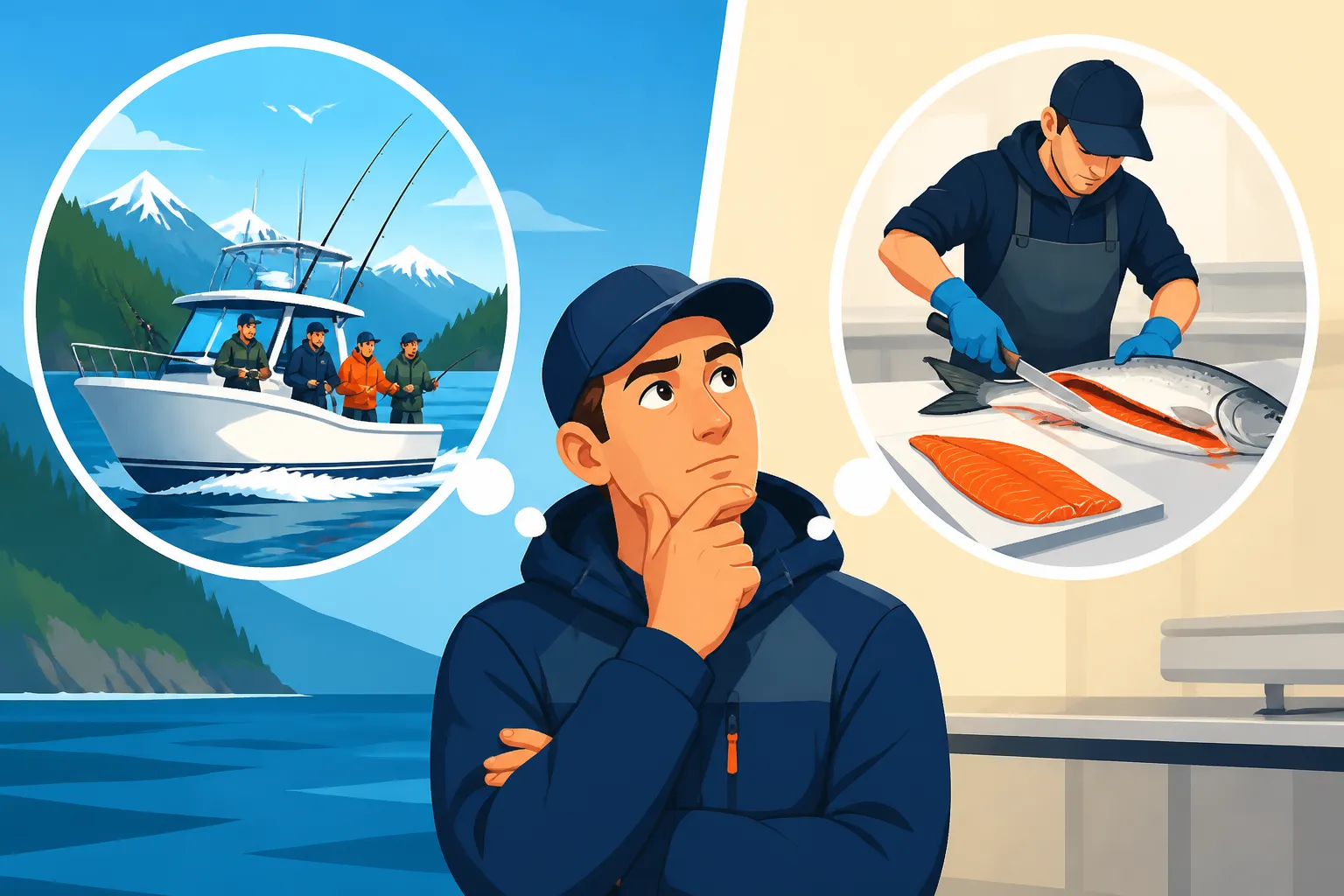
One of the most common questions I hear from folks gearing up for a Washington fishing adventure, especially those new to charter fishing, is what happens after the fish are caught. You’ve had an incredible day on the water, battled some beautiful salmon or halibut, and now you’re looking at a cooler full of fresh catch, wondering if your guide is going to magically turn them into vacuum-sealed fillets. It’s a completely fair question, and frankly, the answer isn’t always as straightforward as we might hope. This guide will walk you through the nuances of fish processing services on Washington fishing charters, what you can typically expect, and how to make sure you’re prepared for bringing your prized catch home.
Understanding What "Included" Really Means on a Charter
When you book a fishing charter, you're paying for the guide's expertise, their boat, gear, fuel, and their ability to put you on fish safely and legally. What happens to the fish after it's in the boat can sometimes be a gray area, and it’s where many anglers encounter unexpected situations. It’s vital to distinguish between basic onboard fish care and full-service processing.
The Basic Catch: Onboard Care
Almost universally, Washington fishing charters will take care of your fish from the moment it hits the deck until you step off the boat. This is standard practice for any reputable guide and is generally considered part of the service. They'll ensure your fish is handled respectfully and properly to maintain its quality.
This typically includes bleeding your catch quickly, which is crucial for meat quality, and then placing it immediately on ice in a cooler or fish hold. This rapid chilling and bleeding prevent spoilage and ensure the flesh remains firm and delicious. For larger fish, like halibut or big Chinook salmon, they might use a gaff to bring it aboard safely and dispatch it humanely. The goal here is preservation, not preparation for cooking. They want you to leave with the freshest possible whole fish, ready for the next step, whatever that may be. You can usually expect them to keep your fish separated from other anglers' catches, so you always know which fish are yours.
Beyond the Boat: Filleting and Packaging
Here’s where the common misconception often lies. While basic onboard care is usually included, full filleting, skinning, deboning, and packaging into ready-to-cook portions are often not part of the standard charter price. This can be a bit of a surprise, especially if you're picturing yourself walking off the boat with neatly wrapped fillets, much like you'd get from a fish market.
Think about it from the guide's perspective: filleting fish takes time, skill, a clean dedicated workspace, and often specific tools that aren't practical to have on every boat or to do quickly at the end of a busy day. Some guides might offer a basic "gut and gaff" service, meaning they'll clean out the entrails for you, but that's still a far cry from a ready-to-cook fillet. They might also charge an additional fee for this service, as it requires extra effort and time after your fishing trip has technically ended. It’s an entirely different skillset and service than guiding you to a hot bite of Chinook Salmon: Washington's King of Fish or helping you land a feisty Steelhead: Washington's Ocean-Run Rainbow Trout.
Factors Influencing Fish Processing Costs
The reality of fish processing costs on a charter can swing quite a bit depending on several variables. There's no single statewide rule that governs every guide's policy, which is why it's so important to ask questions up front.
Type of Charter and Target Species
The kind of fish you're targeting plays a huge role in the effort (and potential cost) of processing. Landing a couple of smaller rainbow trout from a lake is vastly different from wrestling a 50-pound halibut onto the boat and then having to turn it into fillets.
- Salmon Charters: For salmon, especially smaller coho or pinks, some guides might offer to fillet them for a modest fee, or occasionally include basic filleting as a courtesy if the fishing day ends early and they have time. Larger kings or silvers, however, take more substantial effort. On a Puget Sound salmon charter, for instance, you'll likely find that you're expected to handle the filleting yourself or arrange for it dockside.
- Halibut and Lingcod Charters: These are often the biggest and most challenging fish to fillet due to their size and bone structure. A skilled halibut filleter can turn a whole fish into impressive steaks or fillets, but it’s a job for a professional with the right equipment. Most halibut or Lingcod: Washington's Toothy Bottomfish charters will rely on specialized dockside processors. Guides know these fish demand a lot of attention, and their focus during the charter is on Halibut Fishing Techniques for the Washington Coast, not the post-trip filleting marathon.
- Freshwater vs. Saltwater: River guides focusing on steelhead or trout typically expect you to take your fish whole, or perhaps quickly gutted, if you plan to keep them. Saltwater charters, especially those targeting larger species, are more likely to have dockside processing available nearby, or the guide might have a relationship with a local processor.
Charter Operator's Policy
Every guide and charter service runs their business a little differently. Some consider filleting an integral part of their customer service, while others see it as a separate, optional add-on.
You'll find some smaller, independent guides, particularly those running river trips for Washington's Olympic Peninsula Steelhead Guides, who might offer to clean a few fish for you out of goodwill if the day allows. This is more common with guides who operate smaller boats and have fewer clients at a time. Larger charter operations, especially those running bigger boats out of ports like Westport or Ilwaco, are often on a tight schedule, getting one group off and another on. Their focus is on high-volume trips, and they typically rely on established dockside processing facilities. It’s also worth noting that some guides run strictly "catch-and-release" trips, where processing is, of course, a non-issue. For instance, many Washington's Skagit River and Its Winter Steelhead Run or Yakima River Fly Fishing for Wild Trout in Washington trips are often focused on the experience and conservation, not the cooler full of fish.
Location and Available Services
Where your charter departs from can also influence whether processing is available and at what cost. Major fishing ports are usually well-equipped for processing.
Ports like Westport, Ilwaco, and Neah Bay, which see a lot of recreational fishing traffic, often have dedicated commercial fish processors right on the docks. These services specialize in quickly and efficiently filleting, steaking, and often vacuum-sealing and freezing your catch. They operate independently of the charters and charge their own fees, typically by the pound or per fish. Your guide will often direct you to these reputable businesses. In smaller towns or for river trips, such dedicated services might not exist, meaning you'll be responsible for processing your own fish once you get home, or you might rely on the guide if they offer it.
How to Find Out About Fish Processing Before You Book
The absolute best way to avoid any surprises regarding fish processing is to ask specific questions before you finalize your booking. Don't assume anything!
Asking the Right Questions
When you're talking to a charter operator or guide, be direct and clear about your expectations regarding fish processing. Here are some questions you should definitely ask:
- "Do you include filleting or cleaning of the catch in the price of the trip?"
- "If not, is it an extra service you offer, and what is the additional cost?"
- "If you don't offer processing, are there recommended dockside services nearby, and do you know their typical pricing or hours of operation?"
- "What kind of packaging is provided for my fish after the trip, even if it's whole?"
- "How long should I expect the fish to stay fresh if it's not processed immediately?"
Getting these answers upfront will help you budget and plan for your trip. It might even factor into your decision between different guides if one offers a service that's particularly important to you. Knowing these details can also help you prepare for Transporting Your Catch Across State Lines Legally if you're traveling a long distance.
Checking the Website and Booking Platforms
Many reputable charter operations will have detailed information about what's included and what's extra right on their website, often in an FAQ section or under a "What to Expect" or "What's Included" tab. It pays to do your homework and read through all the fine print.
Platforms like FishingBooker (which is a popular site for finding and booking guides) often have sections where guides can list the services they provide, including whether fish cleaning is included or available as an add-on. If it's not explicitly stated, that's your cue to reach out directly to the guide for clarification. Don't rely solely on price comparisons; a slightly more expensive charter might actually save you money and hassle if they include processing that another guide charges extra for.
What to Do If Processing Isn't Included
So, you've confirmed that your charter doesn't include fish processing. No worries! You still have several excellent options to ensure your catch makes it to your dinner plate in prime condition.
Utilizing Dockside Processors
This is often the most convenient and professional option, especially if you've caught a substantial amount of fish or large species like halibut. Many major fishing ports in Washington, particularly along the coast, have dedicated fish processing facilities located right at the marina or a short drive away.
These businesses specialize in handling large volumes of fish quickly and efficiently. They typically offer a range of services: basic filleting, skinning, portioning, and often vacuum-sealing and flash-freezing. Vacuum-sealing is a fantastic way to preserve your fish's freshness and prevent freezer burn for months. They usually charge by the pound of processed fish, or sometimes per fish for smaller species. Your guide will almost certainly be able to point you in the right direction to the nearest and best dockside processor. It's a great option if you want to fly home with your catch, as they're experts in packaging for travel, which is important for understanding How to Package Fish for the Flight Home or Can You Fly Home With Fish From Seattle?.
DIY Processing: Tools and Tips
If you're on a budget, have experience, or just enjoy the process, filleting your own fish is a perfectly viable option. It requires a bit of planning and the right tools, but it's incredibly rewarding to turn your catch into beautiful fillets yourself.
First, you'll need a sharp, flexible filleting knife. A good quality knife makes all the difference. You'll also need a sturdy cutting board, preferably one that won't slip around. A cooler full of ice is essential to keep your unprocessed fish cold until you're ready to work. For packaging, bring freezer-safe bags, wax paper, or even a vacuum sealer if you have one at home. You'll want to work in a clean, cool area, whether that's your garage, campsite, or even a designated cleaning station if your lodging provides one. Be mindful of waste disposal and always clean up thoroughly to avoid attracting pests. Practice makes perfect, and there are tons of online tutorials if you're new to filleting a particular species.
Transporting Your Unprocessed Catch
Even if you plan to process your fish later, you need to ensure it stays in top condition during transport. Improper handling can quickly ruin a great catch.
The key is keeping the fish cold, ideally on ice, from the moment it leaves the boat until it's processed or in your freezer. Bring a good quality cooler, preferably one that can hold ice for an extended period. Pack your whole, unfilleted fish generously with ice. Layer ice on the bottom, then fish, then more ice. Drain any meltwater regularly to prevent the fish from sitting in lukewarm water, which can accelerate spoilage. If you have a long drive home, consider replenishing your ice supply along the way. For specific needs, like taking fish on a plane, remember that airlines have rules about how fish must be packaged, so make sure to check Do Airlines Count Fish Boxes as Checked Bags? before you travel.
Tipping and Expectations
Navigating the financial side of a fishing trip, especially regarding services like fish processing, can sometimes feel awkward. However, understanding general tipping etiquette and setting realistic expectations can make the entire experience smoother and more enjoyable.
Tipping for Included Processing
If you're fortunate enough to have a guide who includes filleting your catch as part of their service, consider that a bonus and factor it into your tip. Guides work incredibly hard, often starting before dawn and cleaning up long after you've left. The extra time and effort they put into processing your fish for you are a sign of excellent customer service.
A common guideline for tipping fishing guides is around 15-20% of the trip's cost, assuming they've done a good job. If they've gone above and beyond, like filleting your fish expertly and quickly, a tip on the higher end of that spectrum, or even a little more, is a wonderful way to show your appreciation. It acknowledges their hard work, skill, and dedication. Remember, this applies if the filleting is included and performed by the guide or their deckhand. How Much to Tip a Washington Charter Captain can give you more details on this.
Managing Expectations
The most important thing is to manage your expectations and always communicate clearly with your guide. Don't assume that any service is included beyond getting you to the fishing grounds and helping you catch fish. A guide's primary role is to provide a safe and productive fishing experience. Anything beyond that, especially labor-intensive tasks like detailed fish processing, should be confirmed beforehand.
If you understand that most guides focus on the fishing aspect and that processing is often an extra step, you won't be disappointed. Instead, you can either plan to use a dockside service or prepare to do the processing yourself. This proactive approach will ensure a smooth end to your fantastic Washington fishing adventure, allowing you to enjoy your catch with no lingering surprises.
Fish Processing Scenarios on Washington Charters
Here's a quick look at common scenarios you might encounter regarding fish processing after your Washington fishing charter:
| Scenario | What's Included (Typically) | What's Extra / Your Responsibility (Typically) | Pros | Cons |
|---|---|---|---|---|
| Standard Charter (Most Common) | Basic onboard care (bleeding, icing whole fish) | Filleting, skinning, portioning, specific packaging (vacuum seal) | Guide focuses on fishing; high-quality whole fish | You need to arrange/do processing after the trip |
| Charter with Added Service | Basic onboard care + guide offers processing | Additional fee for filleting/packaging (price varies greatly by guide and fish type) | Convenient; fish handled by experienced person | Costs extra; might not be vacuum-sealed; guide's time limited |
| Dockside Processor Recommended | Basic onboard care; guide directs you to a facility | Dedicated processing service (filleting, vacuum seal, freezing) charges own fee | Professional, fast, high-quality packaging; often offers freezing | Costs extra (per pound/fish); may have queues or specific hours |
| DIY Processing | Basic onboard care | All processing and packaging by you | Most cost-effective; full control over cut | Requires your time, skill, tools, and a clean workspace |
Disclaimer
This article is for general informational purposes only and does not constitute professional advice. Laws, prices and regulations vary by location and change over time. Consult a qualified professional for guidance on your specific situation.