What to Target When Steelhead Season Is Closed
It’s a gut punch, isn’t it? You’ve been counting down the days, tying flies, checking river flows, only to see that dreaded Washington Department of Fish and Wildlife (WDFW) emergency closure announcement for steelhead. The frustration is real, and it can feel like your entire winter or summer fishing season just went up in smoke. But don't let a steelhead closure keep you off the water! Washington State, with its incredible diversity, offers a multitude of other exciting fishing opportunities. This comprehensive guide will walk you through viable alternatives, ensuring your fishing rod doesn't gather dust, even when steelhead are off-limits.
Understanding Why Steelhead Seasons Close in Washington
First, let's acknowledge why these closures happen, because understanding the "why" can sometimes ease the sting. Washington's steelhead fisheries, particularly for wild runs, are incredibly fragile and managed with intense care to ensure their long-term survival. The WDFW constantly monitors returns, and if numbers fall below critical thresholds or if there are concerns about overall stock health, emergency closures become a necessary, albeit painful, reality. This isn't just about preserving a species; it's about protecting an entire ecosystem.
These closures can be frustrating, especially when you've invested time, money, and emotional energy into planning your trips. You might have bought new gear, booked a guide, or painstakingly tied dozens of custom flies. To have those plans dashed by an unexpected closure can feel deeply unfair. It's important to remember that these decisions are rarely made lightly. They are often the result of complex data analysis and conservation efforts aimed at balancing angling opportunity with the imperative to protect vulnerable fish populations. Learning about topics like Emergency Rule Changes: Why Washington's Rules Shift Mid-Season can help you understand the mechanics behind these rapid shifts in regulations.
Staying informed is your best defense against unexpected disappointment. Make it a habit to check the WDFW website for emergency rule changes, sign up for their email alerts, and even follow local fishing reports. Often, local tackle shops like those around the Olympic Peninsula or on the Lower Columbia are fantastic resources for real-time information, sometimes even before official updates hit the main website. Knowing Where Washington Posts Fishing Rule Changes is crucial for any dedicated angler. While a closure on your favorite steelhead river might mean a change of plans, it doesn't mean the end of your fishing adventures.
Prime Alternatives for River Anglers
Just because steelhead are off the menu doesn't mean you have to abandon the rivers entirely. Depending on the time of year and specific regulations, many Washington rivers offer fantastic opportunities for other species that provide an exciting fight and a chance to wet a line.
Chasing Other Salmon Species
When winter or summer steelhead seasons are closed, your focus can often shift to other salmon species that might still be open in certain river systems. For instance, in the fall, while steelhead might be restricted, various rivers throughout Western Washington can offer excellent fishing for chum or coho salmon. These runs typically occur at different times than steelhead, and the WDFW often manages them separately with distinct bag limits and open seasons.
Chum salmon, often called "dog salmon" due to their impressive teeth and spawning coloration, are powerful fighters that can be a blast on heavy gear. Rivers like the Humptulips, Skagit (when open), or even some Puget Sound tributaries can see strong chum returns. Coho, on the other hand, are acrobatic and aggressive, providing spectacular battles. Many rivers flowing into Puget Sound, like the Snohomish or Green (when open), can offer great coho opportunities during their fall runs. It's always essential to check the current WDFW regulations for specific rivers and dates, as seasons for all salmon can be highly variable and localized. Remember to consult resources like When Chum Salmon Run in Washington Rivers or When Coho Salmon Run in Washington to pinpoint the best times and locations.
Targeting Resident Trout in Rivers and Streams
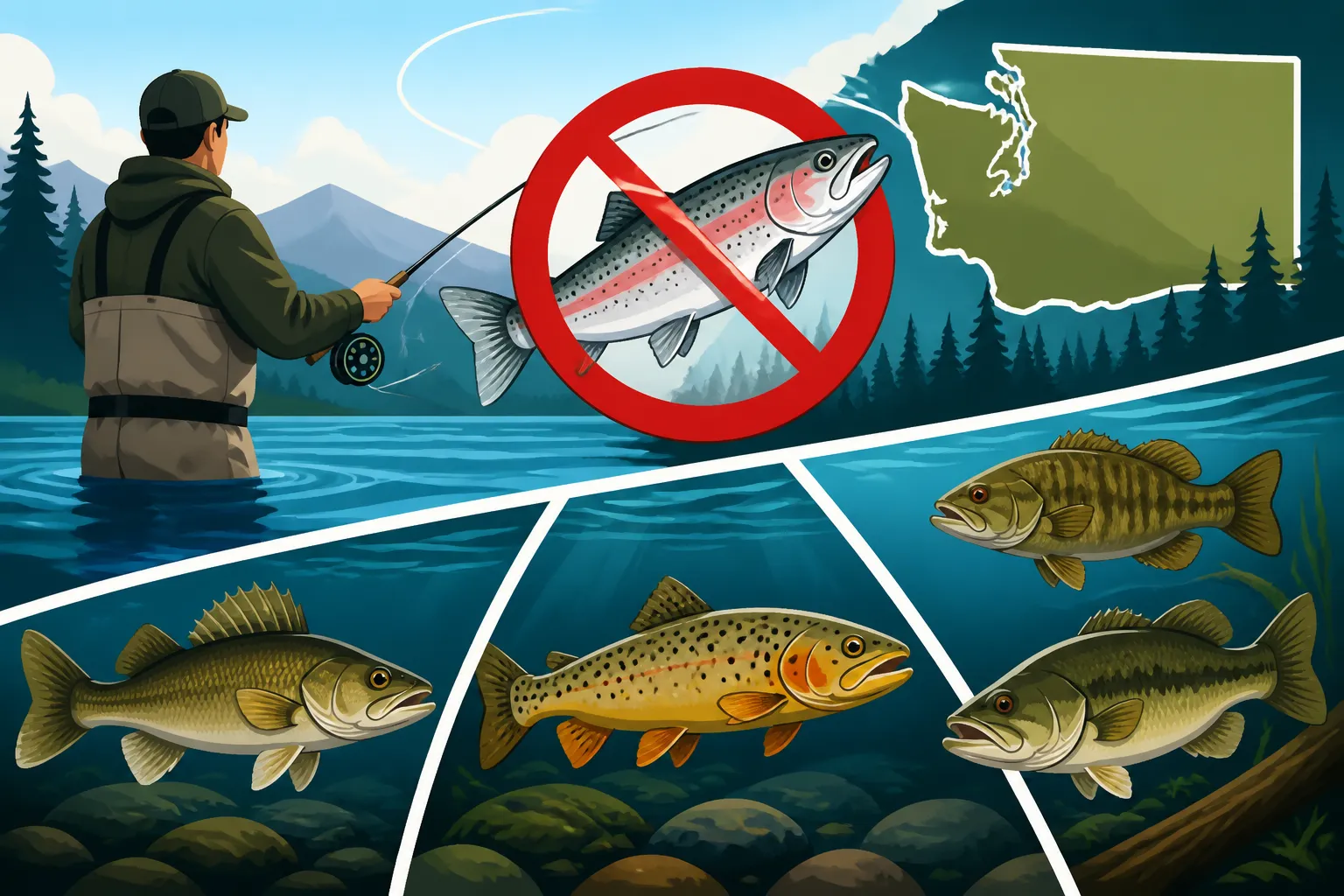
Beyond the anadromous species, Washington boasts an incredible network of rivers and streams that hold resident trout, offering a rewarding pursuit when steelhead are closed. Rainbow trout, cutthroat trout, and even some non-native brown trout can be found in abundance, particularly in smaller, less pressured tributaries or sections of larger rivers away from the main salmon and steelhead migration routes.
These resident trout often thrive in waters that might be too warm or too low for steelhead, meaning that during certain times of year, when steelhead runs are struggling, the trout fishing can actually be stellar. Fly anglers will find endless opportunities for nymphing, dry fly fishing, or streamer presentations, while spin fishermen can effectively use small spinners, spoons, or bait. Exploring the upper reaches of rivers, high mountain streams, or designated "trout waters" can yield beautiful fish and serene solitude. Consider delving into Rainbow Trout Fishing in Washington or Cutthroat Trout in Washington's Rivers and Lakes to hone your tactics. If you're looking to stock up on new trout flies, ultralight spinning gear, or a new pair of waders for easier access to these smaller waters, a quick browse on Amazon can often provide exactly what you need with fast shipping. Just be sure to always verify the Washington's River Trout Limit before heading out.
Exploring Lake and Pond Fisheries
When river fishing feels uncertain due to closures or conditions, pivoting to Washington's vast network of lakes and ponds can be a game-changer. These waters often offer more stable fishing opportunities throughout the year, regardless of anadromous fish runs.
Abundant Stocked Trout Opportunities
Washington is renowned for its aggressive trout stocking program, ensuring that countless lakes and ponds are brimming with catchable rainbow trout, especially in spring and fall. These fish provide fantastic action for anglers of all skill levels, from beginners to seasoned veterans. Many of these lakes are open year-round or have extended seasons, making them excellent fallback options when rivers are closed for steelhead.
These stocked lakes are often easily accessible and can be fished effectively from shore, a dock, or small boats. Standard techniques like still-fishing with power bait or worms, trolling with small lures like Wedding Rings, or casting spoons and spinners are highly effective. Don't overlook the myriad of small, often overlooked community ponds found near urban areas; these can be surprisingly productive and offer quick, convenient fishing trips. Researching Best Washington Lakes for Trout Fishing can help you discover some real gems.
Warmwater Species: Bass, Walleye, and Crappie
Beyond trout, many of Washington's larger lakes and reservoirs, particularly in Eastern Washington, offer exceptional fishing for warmwater species like smallmouth and largemouth bass, walleye, and crappie. These fish thrive in different habitats and conditions than steelhead and are often very active when steelhead seasons are closed.
For instance, the Columbia River reservoirs and larger lakes like Banks Lake or Potholes Reservoir are nationally recognized for their robust populations of smallmouth bass and walleye. Targeting these species requires different techniques – throwing crankbaits, jigs, or soft plastics for bass, or bottom-bouncing rigs with worms or spinner setups for walleye. Crappie, a panfish favorite, can provide fast action, especially during spring and early summer in brushy or weedy areas. These fisheries offer a completely different challenge and a chance to expand your angling horizons. You can learn more about specific tactics by looking into Smallmouth Bass on Washington's Columbia and Snake Rivers or Walleye Fishing on Washington's Columbia River. If you need to quickly re-tool for these species, Amazon has an expansive selection of bass lures, walleye jigs, and crappie rigs. Remember to always consult the Washington Lake Trout Limit and other species-specific regulations before you keep any fish.
Here's a quick overview of some common lake species and when to target them:
| Species | Peak Season (General) | Typical Habitat in Lakes | Common Baits/Lures |
|---|---|---|---|
| Rainbow Trout | Spring, Fall | Anywhere (stocked); shallower | Power Bait, Worms, Small Spinners |
| Kokanee Salmon | Summer, Fall | Deep, open water (schools) | Trolling Wedding Rings, Jigs |
| Smallmouth Bass | Spring, Summer, Fall | Rocky points, drop-offs | Crankbaits, Jigs, Tubes, Worms |
| Walleye | Spring, Summer, Fall | Reefs, flats, bottom structure | Bottom-bouncers, Jig-n-worm, Minnows |
| Crappie | Spring, Early Summer | Brush, submerged timber, docks | Small Jigs, Minnows, Tubes |
When Saltwater Calls: Puget Sound and Coastal Options
Sometimes, when the rivers close, the best solution is to head for the vastness of the Pacific Ocean or the protected waters of Puget Sound. Washington's marine areas offer a wealth of opportunities that are often completely unaffected by freshwater steelhead regulations.
Bottomfishing for Lingcod and Rockfish
If you're looking for aggressive bites and excellent table fare, bottomfishing for lingcod and various rockfish species can be incredibly rewarding. Puget Sound and the Washington coast (especially out of ports like Westport or Ilwaco) offer fantastic opportunities. Lingcod are voracious predators that hide in rocky reefs and kelp beds, providing a powerful fight when hooked. Rockfish, while smaller, are plentiful and also inhabit rocky structures.
You can target these species from private boats, kayaks, or by booking a charter. Jigs, live bait (like herring or mackerel), and large swimbaits are popular choices. It's exhilarating to feel that distinctive thump as a big lingcod attacks your lure, and the fillets are absolutely delicious. Just be aware that specific rockfish species might have different regulations, and some are protected, requiring careful identification and handling. Understanding Lingcod: Washington's Toothy Bottomfish is a great starting point for this type of fishing. Make sure you're up-to-date on the Lingcod Limit in Washington before your trip.
Winter Blackmouth and Other Salmon
While many focus on summer salmon runs, Puget Sound also offers a unique "blackmouth" fishery during the colder months. Blackmouth are resident Chinook salmon that spend their entire lives in Puget Sound, feeding and growing without migrating to the open ocean. These fish are often targeted by trolling with downriggers and can provide a thrilling fight on light tackle.
Seasons for blackmouth can be very specific and vary by marine area, so always consult the WDFW regulations. But when open, this fishery offers a chance to hook into Washington's iconic "king" salmon during a time when many river fisheries are closed. Beyond blackmouth, even during colder months, you might find opportunities for resident coho in some areas. Learning about When Chinook Salmon Run in Washington's Puget Sound can help you plan for these saltwater salmon adventures.
Crabbing and Clam Digging
Don't forget about Washington's incredible shellfish opportunities! Crabbing for Dungeness crab in Puget Sound or digging for razor clams on the ocean beaches can be fantastic ways to enjoy the outdoors and bring home a delicious meal, especially when finfish seasons are closed. These activities are also incredibly family-friendly.
Dungeness crab seasons typically open in summer and fall, but sometimes extend into winter in certain areas. Setting pots from a boat or even a public pier can be very productive. Razor clam digging, primarily on Washington's Pacific Coast beaches like Long Beach, Ocean Shores, or Copalis, is a unique experience that often occurs in fall and winter. It's tide-dependent and requires specific gear (a clam gun or shovel), but the reward of fresh razor clams is hard to beat. Check the WDFW website for specific seasons, marine area openings, and recreational harvest limits for Crabbing and Shellfishing in Washington's Puget Sound. If you need to pick up a new crab pot, a clam gun, or even specific bait like chicken or fish carcasses, Amazon is a reliable place to find a variety of options.
Don't Let Closures Deter You
While the news of a steelhead season closure can be disheartening, it's crucial not to let it sideline your passion for fishing in Washington. This incredible state offers such a diverse tapestry of angling opportunities that there's almost always something biting somewhere. It's an invitation to explore new waters, learn new techniques, and broaden your horizons as an angler. Embrace the challenge, delve into different species, and discover the joy of Washington's varied fisheries.
Disclaimer
Fishing regulations in Washington State can change rapidly due to emergency rule adjustments, conservation concerns, and other factors. Always consult the official Washington Department of Fish and Wildlife (WDFW) regulations before heading out on any fishing trip. The information provided in this guide is for general informational purposes only and should not be considered a substitute for checking current, official WDFW regulations.