Fishing Westport and the Washington Coast
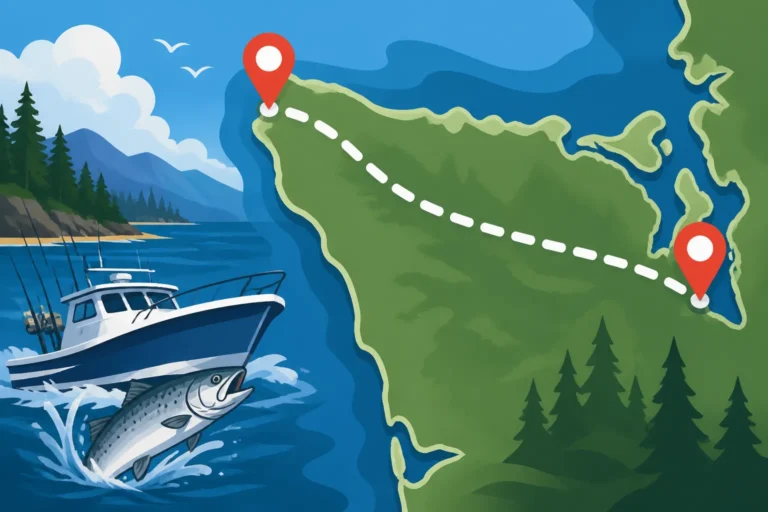
There’s nothing quite like the raw, untamed beauty of Washington’s Pacific coast, but trying to figure out where and how to fish it can feel like trying to solve a puzzle blindfolded. From the mighty halibut lurking in the depths to the hard-fighting salmon crashing bait balls nearshore, this guide will unlock the secrets to successfully fishing Westport and other incredible spots along Washington's rugged coastline, making your next trip unforgettable and far less confusing.
Westport: Your Gateway to Offshore Adventures
Westport, Washington, isn't just a picturesque coastal town; it's a bustling hub, a true angler's paradise, and often the first stop for anyone looking to tap into the rich fisheries of the Pacific Ocean. Many seasoned fishers, and even those just starting out, gravitate here because of its deep-water access and the sheer variety of species you can target. When you think of coastal fishing in Washington, Westport is usually the name that comes to mind, and for good reason – it truly lives up to its reputation.
The Allure of Deep-Sea Fishing from Westport
Stepping onto a charter boat in Westport and heading out into the vast Pacific is an experience like no other. The air is crisp, often salty, and the anticipation is palpable. This isn't your calm lake fishing; it's an adventure into the deep, targeting formidable species that test your strength and skill. We're talking about the behemoth Pacific halibut, powerful lingcod, and even the lightning-fast albacore tuna when they make their seasonal appearance. These aren't just fish; they're trophies, and the challenge of bringing one to the boat is a huge part of the allure.
For many, the dream is landing a barn-door halibut, a truly impressive flatfish that can weigh well over a hundred pounds. Imagine the fight, the deep bends in your rod, and the sheer effort of reeling it up from the ocean floor. Then there are the lingcod, aggressive ambush predators with a mouthful of sharp teeth, often found hiding around rocky structures. And if you're lucky enough to hit the tuna bite, it's a non-stop adrenaline rush of screaming reels and powerful runs. These deep-sea adventures require sturdy boats, reliable gear, and often the expertise of local captains who know these waters like the back of their hand.
The excitement isn't just about the catch itself; it’s the whole experience: the journey out past the bar, the camaraderie with fellow anglers, the vastness of the ocean stretching to the horizon, and the chance to witness marine wildlife like whales, dolphins, and seabirds. It’s a full sensory immersion that reconnects you with nature in a powerful way. Whether you're a seasoned offshore veteran or new to the saltwater game, Westport provides an unparalleled opportunity to engage with some of the most sought-after game fish on the West Coast.
Exploring Grays Harbor: Estuary Fishing Opportunities
While the open ocean grabs a lot of the spotlight, don't overlook the incredible fishing opportunities right within Grays Harbor itself, which Westport sits adjacent to. This large, productive estuary acts as a vital nursery and migratory path for numerous species, offering a different kind of angling experience compared to the deep sea. It’s a tidal wonderland, where the freshwater from rivers like the Chehalis and Humptulips mixes with the saltwater of the Pacific, creating a unique ecosystem that supports thriving populations of fish.
Salmon, particularly fall Chinook and coho, are a major draw in Grays Harbor. As these powerful anadromous fish return from the ocean to spawn, they stage and feed within the bay, providing excellent opportunities for both boat and bank anglers. Imagine casting a spinner or drifting bait in the productive currents, hoping for that unmistakable tug of a chrome-bright salmon. Beyond salmon, the estuary also boasts a healthy population of white sturgeon, those ancient, bottom-dwelling giants that can offer an epic battle, and often provide catch-and-release opportunities, though sometimes retention is allowed under strict regulations.
Crabbing is another extremely popular activity here. During the Dungeness crab season, you'll see countless crab pots dotting the bay, and families flock to the docks and beaches to drop rings. Pulling up a pot full of those succulent crustaceans is a quintessential Washington coastal experience. This diverse array of fishing in Grays Harbor means that even if the ocean is too rough, or if you prefer a calmer, more sheltered fishing environment, there’s still plenty of action to be found, often closer to shore and more accessible for a wider range of anglers.
The Best Times to Fish Out of Westport
Timing is absolutely everything when you're planning a fishing trip to Westport and the Washington Coast. While you can find something to fish for year-round, the prime seasons for specific species are fairly distinct, and hitting that sweet spot can make all the difference between a slow day and an epic one. It truly pays to do your homework and consult resources like the Washington Fishing Seasons: A Month-by-Month Guide before you even pack your bags.
Spring (March – May): This is when things really start waking up offshore. Lingcod season typically opens in March, and these aggressive bottom dwellers are eager to bite after the colder winter months. Many anglers also start looking for early season halibut, though the bite often picks up more consistently in May. Bottom fishing for various rockfish species also becomes more reliable. The weather can be a bit hit-or-miss, so always be prepared for changing conditions, but the rewards can be huge.
Summer (June – August): This is peak season for a reason, offering the widest variety of targets and generally more stable weather. Halibut fishing is often at its best, with numerous openings during these months. Ocean salmon, especially Chinook, start showing up in stronger numbers, with coho becoming more prevalent towards late summer. This is also when the highly anticipated albacore tuna arrive, usually from mid-July through September, providing some of the most exciting, fast-paced fishing imaginable. Expect crowded docks and charter boats this time of year, especially on weekends.
Fall (September – November): As summer fades, the focus shifts slightly. While offshore halibut and tuna opportunities might start tapering off, fall salmon fishing remains strong, especially for coho offshore and both Chinook and coho in Grays Harbor as they head for the rivers. Sturgeon fishing in the harbor can also be productive. The crowds thin out, and you can often find some excellent fishing with a bit more solitude, though the weather becomes increasingly unpredictable, bringing with it the potential for rough seas.
Winter (December – February): Winter is generally the slowest time for offshore fishing out of Westport due to weather constraints and species migrations. However, if the weather cooperates, you can sometimes find opportunities for lingcod or rockfish on calmer days. The focus for many shifts to inland rivers for steelhead or specific sheltered areas in Grays Harbor for late-season salmon stragglers or sturgeon. Always check the latest WDFW regulations and forecasts, as rules and conditions can change rapidly.
Pacific Halibut: Washington's Bottom-Dwelling Giant
For many Washington anglers, the Pacific halibut isn't just a fish; it's a quest. These colossal flatfish are revered for their impressive size, powerful fight, and incredibly delicious white meat. The pursuit of halibut often defines a significant portion of the offshore fishing season, drawing boats from every coastal port, but especially from places like Westport. The sheer anticipation of the rod bending over and knowing there’s a potential trophy on the other end is what keeps anglers coming back year after year, despite the often-challenging conditions.
Where to Find Halibut Off the Washington Coast
Halibut are demersal fish, meaning they live on or near the bottom of the ocean, often favoring sandy or muddy bottoms adjacent to rocky structures, ledges, or deep channels where they can ambush prey. Off the Washington coast, the fishing grounds for halibut are typically in deeper offshore waters, often ranging from 200 to 900 feet deep. It's a true deep-sea fishery that requires specialized gear and the willingness to travel several miles, or sometimes much further, from the coast.
Out of Westport, popular halibut grounds include areas off the mouth of Grays Harbor, often simply referred to by their depth or distance offshore, like the "20-mile bank" or specific coordinates known to hold fish. Other key areas can be found north or south along the continental shelf. Further north, ports like Sekiu and Neah Bay offer access to grounds off Cape Flattery and the Strait of Juan de Fuca, which can also be highly productive. The specific spots can vary year to year depending on bait concentrations, ocean currents, and fishing pressure, so experienced charter captains are invaluable here.
Identifying productive halibut grounds often involves interpreting bathymetric charts to locate subtle changes in depth, depressions, or rises that might concentrate baitfish. Halibut are opportunistic predators, and they'll gather where food is abundant. They also tend to move seasonally, heading to shallower feeding grounds in the spring and summer and deeper waters in the winter. A good sonar system is your best friend when looking for these subtle bottom features and marking bait schools, which often indicate the presence of larger predators like halibut.
Effective Halibut Fishing Techniques and Gear
Landing a Pacific halibut is no small feat, and it demands robust gear and specific techniques to get your bait down to their deep-water domain. We’re talking heavy-duty rods and reels capable of handling significant weight and fighting powerful fish. Typically, a stout saltwater rod in the 50-80 lb class paired with a conventional reel spooled with 80-100 lb braided line is the standard setup. The braid is crucial for its no-stretch properties, allowing you to feel subtle bites at extreme depths and achieve better hook sets. You'll definitely want to read up on Halibut Fishing Techniques for the Washington Coast before your trip.
The most common technique involves bait fishing on the bottom. Anglers typically use large baits such as herring, squid, octopus, salmon heads, or even whole mackerel, often rigged on a large circle hook (10/0 to 16/0) with a heavy lead sinker (1 to 5 pounds, or even more in strong currents) to ensure the bait stays on the bottom. Spreader bars or sliding sinker rigs are popular choices, as they present the bait naturally just above the lead. Scent is also a big factor, so many anglers will marinate their baits or use scent attractants.
Jigging is another highly effective method, especially when halibut are actively feeding. Heavy metal jigs, often weighing 8-24 ounces, are dropped to the bottom and worked with a sharp lift and fall motion, mimicking an injured baitfish. Some jigs incorporate skirts or glow-in-the-dark features to further attract attention in the dim depths. Whether you're bait fishing or jigging, patience is key. Halibut bites can sometimes be subtle, a gentle tug or a slow bend in the rod, or they can be an aggressive smash. Setting the hook firmly and preparing for a long, grinding fight is essential once that bite is confirmed. Don't forget a large, sturdy gaff or harpoon for bringing a big one aboard, and a strong deckhand to help you get it in the boat!
Understanding Halibut Seasons and Limits
The management of Pacific halibut fisheries in Washington is incredibly complex, primarily due to the international agreements with Canada and the specific allocations set by the International Pacific Halibut Commission (IPHC). This means that halibut seasons are often very short and can vary dramatically year to year, not just in dates but also in the number of fishing days allowed. Missing the season by even a week can mean missing it entirely, which is a frustrating reality for many eager anglers.
Typically, the season opens in May, and specific fishing days are announced for Marine Areas 1, 2, 3, and 4. These seasons often run on Thursdays, Fridays, and Saturdays, but this can change. Sometimes, a specific area might only be open for a handful of days throughout the entire year before the quota is met. This makes planning a trip challenging, and why checking the Washington Department of Fish and Wildlife (WDFW) website for emergency rule changes is absolutely critical. You might think you have a date locked in, only for an early closure to pull the rug out from under you. Always consult How to Check for Emergency Rule Changes in Washington before you head out.
Bag limits are also very restrictive, usually allowing for one halibut per day, with specific possession limits (often two, but check current regulations). There's frequently a maximum size limit in place, such as "no more than one halibut over 42 inches" or similar. These regulations are designed to protect the brood stock and ensure the long-term sustainability of the fishery, but they can be a bit of a moving target. Staying informed through the WDFW official channels or talking to local tackle shops and charter operators is the best way to ensure you're fishing legally and making the most of your limited opportunities for these incredible fish.
Lingcod and Rockfish: Coastal Bottomfish Bonanza
While halibut might steal the headlines, the Washington coast offers an incredible year-round fishery for various bottomfish, primarily lingcod and numerous species of rockfish. These fish provide consistent action, are fantastic eating, and often don't require venturing as far offshore as halibut, making them a popular choice for many anglers, especially when the weather isn't cooperating for distant runs. They inhabit the rocky reefs and kelp beds closer to shore, offering a rugged beauty to the fishing experience.
Targeting Lingcod: Structure and Tactics
Lingcod are truly fascinating fish – aggressive, territorial, and incredibly powerful. They aren't actually cod; they're a member of the greenling family, known for their mottled coloration that allows them to camouflage perfectly among rocks and kelp. When you hook a lingcod, you're in for a serious tug-of-war, as they fight hard all the way to the boat, often headshaking and trying to dive back into the structure. Finding them is all about locating their preferred habitat.
These toothy predators absolutely love rocky reefs, pinnacles, ledges, and areas with strong current breaks. They'll hide in crevices or lie in wait, ambushing anything that swims by. Good fish finders are essential for locating these specific underwater structures. Many of the productive lingcod spots out of Westport are within a reasonable distance from the harbor, often in depths ranging from 60 to 300 feet, though they can be found shallower or deeper. Areas with extensive kelp beds are also prime territory, as these provide both cover and food for smaller prey species.
The most effective tactics for lingcod typically involve getting down to where they live. Heavy leadhead jigs (often 4-12 oz) tipped with large plastic swimbaits (5-10 inches) are incredibly effective. Popular colors include chartreuse, glow, white, and dark patterns that mimic local baitfish. Live bait, especially mackerel, herring, or even smaller rockfish, can be deadly when drifted or slow-trolled near structure. Another popular method is using a jig-and-soft plastic combo, slowly hopping it along the bottom, making sure to hit every crack and crevice. When you feel that distinctive thump and the rod doubles over, be ready for a spirited fight, often right in the rocks, which means you need to get them up quickly to avoid getting snagged.
Diverse Rockfish Species of the Washington Coast
The term "rockfish" is actually a broad umbrella covering over 20 different species found along the Washington coast, each with its own unique characteristics and coloration. From the vibrant reds and oranges of copper and yelloweye rockfish to the darker hues of black and blue rockfish, they add a beautiful diversity to the bottomfish catches. They are schooling fish, often found congregating around the same rocky habitats as lingcod, though sometimes in slightly different depths or closer to the surface depending on the species.
Some of the most commonly caught rockfish species out of Westport include black rockfish, copper rockfish, vermilion rockfish, and quillback rockfish. Black rockfish are often found higher in the water column, even near the surface over structure, making them accessible to lighter tackle and even fly-fishing in calm conditions. Copper rockfish tend to hug the bottom a bit more tightly, often in 60-150 feet of water. Deeper still, you might encounter yelloweye rockfish, which are prized for their size and firm, white meat, but are also a species of concern with very strict regulations.
The sheer variety means that a single drop can sometimes yield multiple different species, creating a truly exciting and colorful cooler. However, this diversity also comes with responsibility. Many rockfish species are long-lived and slow to reproduce, making them vulnerable to overfishing. This is why strict regulations are in place, including seasonal closures, depth restrictions, and sometimes even bans on retaining certain species, especially the deep-dwelling yelloweye. It's imperative that anglers are able to identify their catch and adhere to all rules, and understand the importance of using descending devices for released fish, to give them the best chance of survival.
Regulations and Responsible Bottomfishing Practices
Fishing for lingcod and rockfish comes with a specific set of rules and a strong emphasis on responsible angling to ensure these valuable fisheries remain healthy. The Washington Department of Fish and Wildlife (WDFW) sets comprehensive regulations that can vary by marine area, depth, and even by specific species. It’s crucial to be familiar with the latest rules, especially regarding seasons, daily bag limits, and possession limits. Failing to do so can lead to hefty fines and enforcement action. You can always check Washington Fishing Regulations Every Angler Should Know for a general overview, but always double-check current WDFW publications for specific marine areas.
For lingcod, there's usually a minimum size limit (often around 22-26 inches) and a bag limit of one or two fish per day, depending on the season and marine area. Rockfish regulations are more complex, with aggregate bag limits (e.g., 10 rockfish total), but often with specific restrictions on certain species like yelloweye, which are typically prohibited for retention due to their conservation status. There might also be depth restrictions, such as "no fishing for bottomfish in depths greater than 120 feet" in certain areas, to protect vulnerable deep-water species.
Beyond simply following the rules, practicing ethical angling is vital. This includes using appropriate gear to minimize incidental mortality, handling fish carefully, and, most importantly, utilizing descending devices for any rockfish caught from deep water that you intend to release. When rockfish are brought up from significant depths, the rapid change in pressure can cause barotrauma, where their swim bladder expands, preventing them from swimming back down. A descending device allows you to safely return them to depth, greatly increasing their survival rate. Education and proactive conservation efforts by anglers are key to maintaining these fantastic bottomfish opportunities for future generations.
Salmon Fishing: Coastal Runs and Puget Sound Proximity
Salmon fishing off the Washington coast, especially from Westport, is an experience that resonates deeply with many anglers. The powerful runs of Chinook and coho salmon returning from the vast Pacific are legendary, offering some of the most exciting and challenging fishing around. While Puget Sound has its own incredible salmon fisheries, the ocean-going fish off the coast are often larger, stronger, and in prime condition, having just spent years fattening up in the open sea.
Offshore Salmon Fishing from Westport
When you talk about offshore salmon fishing out of Westport, you're usually targeting Chinook (King salmon) and coho (Silver salmon) as they migrate along the coast, feeding heavily before they turn inland for their spawning journey. These fish are chrome-bright, full of fight, and absolute culinary delights. The bite often occurs in depths ranging from 50 to 250 feet, typically over sandy bottoms or along bait concentrations, rather than the deep rocky structures favored by lingcod and halibut.
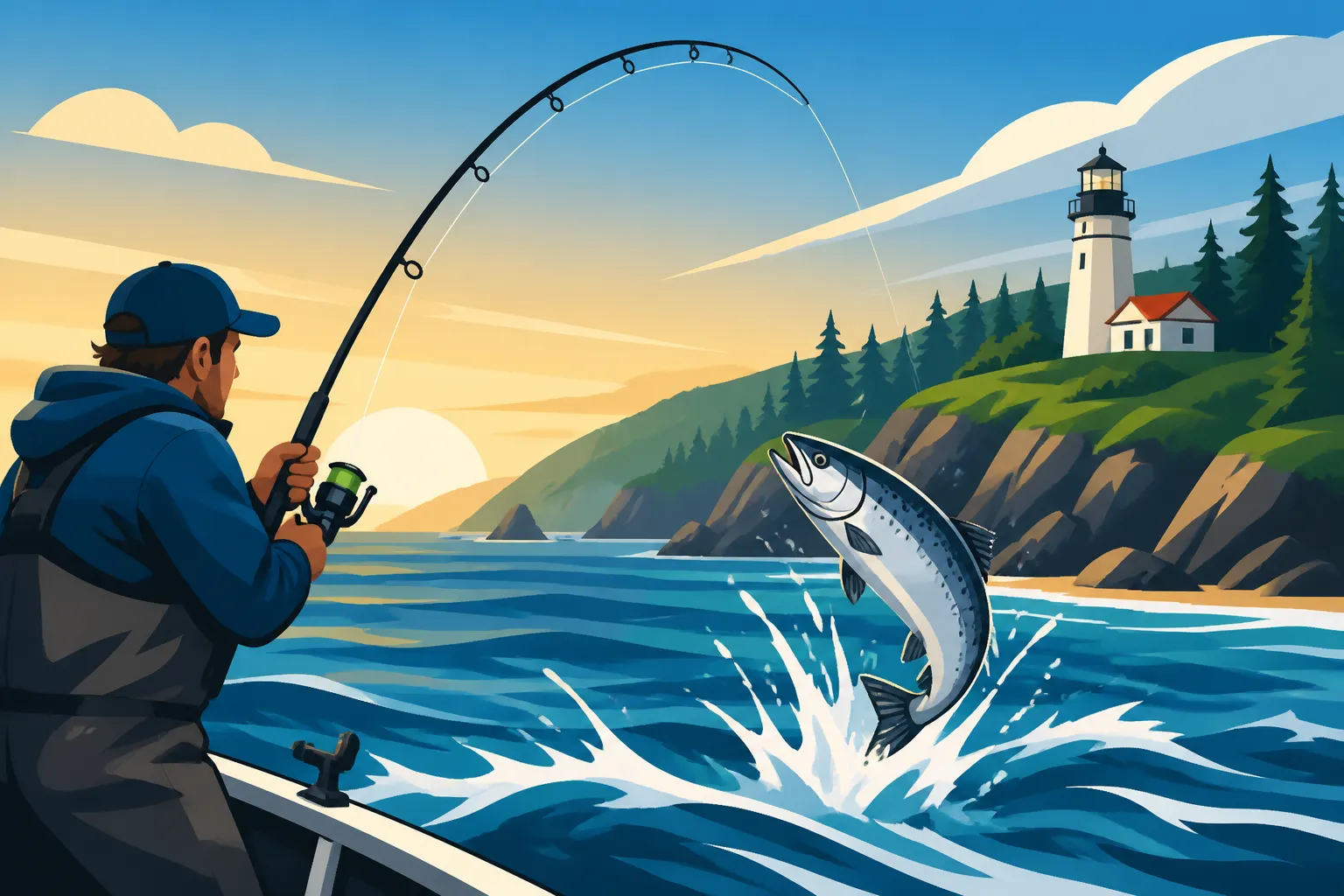
Trolling is the most prevalent and effective method for offshore salmon. Charter boats and private vessels will deploy multiple lines using downriggers to get their lures or bait down to the desired depth. Popular presentations include spoons (like Silver Horde or Coyote spoons), plastic hoochies, or bait rigs featuring whole or cut-plug herring. Flashers and dodgers are almost universally used in front of the lure to provide additional attraction, mimicking fleeing baitfish and sending out vibrations that call salmon in. The speed of the troll, depth, and specific bait color can be critical, and often change throughout the day, so it’s important to pay attention to what's working.
One of the unique aspects of ocean salmon fishing is its dynamic nature. Baitfish, primarily anchovies and herring, move constantly, and so do the salmon. A spot that was hot one day might be barren the next. This requires captains and anglers to be adaptable, constantly searching for bait balls on their electronics and watching for diving birds or other signs of feeding activity. The adrenaline rush of a downrigger ball popping up, signaling a fish on, and then the scream of the reel as a powerful Chinook rips line, is something you won’t soon forget. Make sure you're up to date on Chinook Salmon: Washington's King of Fish and Coho Salmon Fishing in Washington to understand these magnificent species better.
Nearshore Salmon Opportunities and Seasons
While many anglers associate coastal salmon with deep offshore trolling, there are often fantastic nearshore opportunities, particularly in and around Grays Harbor itself. As salmon approach the coast and stage before entering the river systems, they become accessible to a broader range of anglers, including those in smaller boats or even those fishing from the bank in certain areas. These are often the same powerful fish that were caught offshore, just closer to their ultimate destination.
The Grays Harbor salmon fishery is primarily a fall affair, targeting Chinook and coho that are returning to the Chehalis River, Humptulips River, and other tributaries. This fishery typically kicks into high gear from late August through October. Anglers in the harbor often employ different tactics than offshore, including trolling with heavier gear, sometimes with divers or lead balls, but also popular are methods like "plunking" from the bank or boat in tidal currents, using heavy weights to hold bait in place. Back-bouncing eggs or using large spinners can also be effective in the river sections of the estuary.
The beauty of the nearshore and estuary fishery is its accessibility. You don't necessarily need a large ocean-going vessel to participate. Smaller boats, kayaks, and even bank anglers can find success, making it a popular choice for families and those looking for a less intense experience than the open ocean. However, these fish are closer to their spawning phase, so they may not be as bright or as aggressive as their offshore counterparts, but they still provide excellent sport and table fare. Always check the very specific regulations for Grays Harbor, as they can differ from general ocean rules, particularly regarding daily and possession limits for various species, which are detailed in guides like Understanding Washington's Daily Bag Limits by Species.
Preparing for a Successful Salmon Trip
A successful salmon trip, whether offshore or nearshore, isn't just about showing up with a rod and reel. It requires careful preparation, understanding the nuances of the fishery, and being ready for whatever the Washington coast throws at you. The weather, in particular, can be fickle, turning a calm morning into a bumpy afternoon in a heartbeat, so checking forecasts is paramount.
First, your gear needs to be up to snuff. For offshore trolling, stout salmon rods (8'6" to 10'6" with a medium-heavy action), quality conventional or level-wind reels spooled with 25-40 lb monofilament or braided line, and a selection of appropriate terminal tackle (flashers, dodgers, leaders, hooks, weights, and lures/bait) are essential. Make sure your drags are smooth and set correctly, as a hot Chinook can spool you in seconds if you're not prepared. For estuary fishing, slightly lighter gear might be appropriate, but still needs to be capable of handling powerful fish in strong currents.
Next, understanding the seasons and regulations is non-negotiable. Washington's salmon seasons are notoriously complex, with specific opening and closing dates, daily limits, and possession limits that vary by marine area, species, and even time of day. Always consult the latest WDFW pamphlet or online regulations. You’ll also need your valid Washington fishing license and, critically, a The Washington Catch Record Card and What It Requires if you intend to keep salmon or steelhead. Failing to punch your card immediately upon retention is a common violation.
Finally, prepare for the elements. Even on a summer day, the ocean can be cool, windy, and wet. Dress in layers, including waterproof outer shells. Bring plenty of food and water, sunscreen, sunglasses, and seasickness medication if you're prone to it. If you're going on a charter, they'll usually provide the gear, but it's always good to ask what to bring (see What to Bring on a Washington Fishing Charter). Being well-prepared not only increases your chances of success but also ensures a more comfortable and enjoyable experience on the water.
The Thrill of Albacore Tuna Fishing
Imagine reels screaming, rods bent double, and the deck awash in the silvery flash of football-shaped fish – that's albacore tuna fishing off the Washington coast. It’s an electrifying, high-octane fishery that draws anglers willing to venture far offshore in pursuit of these migratory speedsters. Albacore are not just powerful fighters; they're also fantastic table fare, with their firm, delicate white meat. This fishery is an experience unto itself, a true bluewater adventure that pushes boats and anglers to their limits.
When and Where to Find Albacore Tuna
Albacore tuna are highly migratory, pelagic fish that follow warm water currents across the Pacific. Off the Washington coast, their arrival is entirely dependent on the presence of the warm "blue water" that pushes up against the continental shelf, usually from mid-July through September, and sometimes into October if conditions hold. This warm water brings with it baitfish, and the tuna follow the food. These conditions are typically found anywhere from 20 to 60 miles offshore, or even further.
Out of Westport, captains will often be looking for specific water temperature breaks (usually 60 degrees Fahrenheit or warmer) and chlorophyll lines, which indicate areas where different water masses meet and concentrate bait. Satellite imagery and offshore weather reports are critical tools for locating these zones before even leaving the dock. It’s a game of chasing water temperature and bait, often requiring long runs across the open ocean.
When you do find them, albacore are often found in large schools, sometimes stretching for miles. You might see diving birds, schools of baitfish getting busted on the surface, or even the tuna themselves jumping clear out of the water. Once you're in a school, it's often a "fire drill" as multiple rods hook up simultaneously. It's exhilarating and exhausting all at once, providing non-stop action until the school moves on or you've filled your limits. For more details on these incredible fish, check out Albacore Tuna Off the Washington Coast.
Trolling Strategies for Fast-Moving Tuna
Trolling is the primary method for locating and catching albacore tuna off the Washington coast. Unlike bottomfish or salmon, tuna are constantly on the move, so covering a lot of water at a relatively high speed is key. Boats typically troll a spread of multiple lines, often 6 to 10 rods, at speeds ranging from 5 to 9 knots. This creates a "school" of lures or baits that mimics fleeing baitfish, enticing the tuna to strike.
The typical albacore trolling spread includes a mix of surface lines (often with "bird" teasers or spreader bars to create commotion), subsurface lines (using divers or small trolling weights), and sometimes a deep line on a downrigger if the tuna are holding deeper. Lures are usually brightly colored skirted offerings, cedar plugs, or small plastic swimbaits, often rigged with a single, strong hook. Popular colors include green/yellow, blue/white, pink, and black/purple. The idea is to create a commotion and present a tempting target that looks like an easy meal.
Once a tuna strikes, the chaos begins! Anglers quickly reel in the other lines to avoid tangles (known as "clearing the deck") while the hooked fish is fought. If you're lucky enough to find a willing school, you might even "bait and switch" them, pulling a trolled fish closer to the boat and then casting live bait or small jigs to the remaining school members, often resulting in a prolonged "foaming" bite right next to the boat. This kind of action is what tuna dreams are made of, but it requires coordination, quick reflexes, and strong gear, as these fish hit like freight trains and pull incredibly hard.
Safety and Preparation for Offshore Tuna Expeditions
Albacore tuna fishing is not for the faint of heart, or for the unprepared. Venturing dozens of miles offshore into the open Pacific comes with inherent risks, and safety must always be the top priority. The weather can change rapidly, and a small craft advisory can turn a fun day into a perilous one very quickly. A seaworthy boat, experienced captain, and a strong understanding of offshore safety protocols are absolutely essential for these trips.
Before leaving the dock, a thorough check of all safety equipment is non-negotiable. This includes life jackets for everyone on board, flares, a marine VHF radio (tuned to emergency channels), a reliable GPS, EPIRB or PLB (Emergency Position Indicating Radio Beacon or Personal Locator Beacon), a first-aid kit, and sufficient fuel for the round trip plus reserves. Many boats also carry satellite phones or other communication devices, as cell service disappears quickly offshore. A pre-departure check of weather forecasts and sea conditions is also critical, looking for any signs of strong winds or building swells.
Anglers also need to prepare themselves physically and mentally. Tuna fishing involves long hours, often starting well before dawn, and a lot of standing and reeling. Seasickness can be a major issue, so take preventative measures if you're prone to it. Dress in layers, including waterproof foul-weather gear, even on sunny days, as the wind and spray can make it chilly. Bring plenty of water, high-energy snacks, and a cooler with ice for your catch. These expeditions are an investment in time, money, and effort, but the thrill of a successful albacore trip makes it all worthwhile.
Beyond Westport: Exploring Other Coastal Hotspots
While Westport is undeniably a major player in Washington's coastal fishing scene, it's far from the only game in town. The entire length of the state's Pacific coastline, from the mouth of the Columbia River in the south to the remote reaches of the northern Olympic Peninsula, offers a diverse array of fishing experiences. Each area has its own unique character, target species, and charm, providing ample opportunities for anglers to explore.
Fishing Ilwaco and the Columbia River Mouth
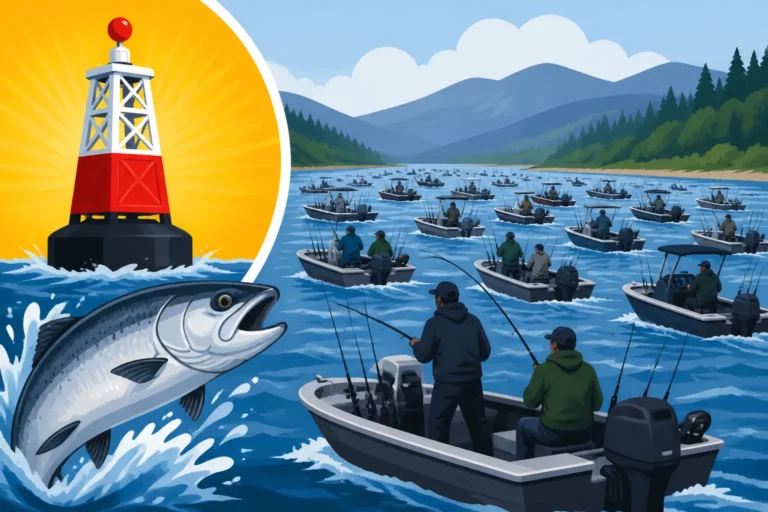
South of Westport, at the very southwestern tip of Washington, lies Ilwaco, a historic fishing port that serves as the primary gateway to the legendary "Buoy 10" fishery at the mouth of the Columbia River. This is a globally renowned salmon fishery, particularly famous for its incredible runs of Chinook and coho salmon as they stage and enter the mighty Columbia each late summer and early fall. The sheer volume of fish and the intensity of the fishing can be astounding here. You can learn more about this incredible fishery by looking at Fishing the Columbia River in Washington: A Complete Overview.
The Buoy 10 fishery, named after a navigational buoy near the river's mouth, is a dynamic and often crowded affair. Thousands of boats converge on this relatively small area, all vying for position and a piece of the action. Trolling with bait (often herring or anchovies) behind flashers is the most common technique, but jigging can also be effective. The tides play a crucial role here, with specific incoming and outgoing tides often concentrating fish and creating the best bite windows. The sheer power of the Columbia River's current makes fishing here a unique challenge, demanding heavy gear and skilled boat handling.
Beyond salmon, the Columbia River mouth also offers opportunities for sturgeon, particularly catch-and-release, and various bottomfish when conditions allow. The excitement and camaraderie during peak Buoy 10 season are unparalleled, drawing anglers from across the Pacific Northwest and beyond. It’s a bucket-list destination for anyone serious about salmon fishing, offering the chance to hook into some of the largest and freshest salmon the Pacific Northwest has to offer.
Sekiu and Neah Bay: Northern Coastline Gems
Venturing to the far northwest corner of Washington, beyond the Olympic Peninsula, reveals two more incredible coastal fishing destinations: Sekiu and Neah Bay. These ports offer access to the rich waters of the Strait of Juan de Fuca and the wild, remote open Pacific coastline. The journey to get there is part of the adventure, winding through stunning scenery and giving a sense of truly getting away from it all.
Sekiu, nestled on the northern shore of the Olympic Peninsula, provides excellent access to the protected waters of the Strait of Juan de Fuca. This area is renowned for its salmon fishing, with strong runs of Chinook and coho passing through the Strait on their way to various rivers. Anglers here often troll with downriggers, using herring, spoons, and hoochies, targeting specific depths where salmon are feeding. It’s also a fantastic spot for bottomfish, including lingcod and rockfish, found on the numerous reefs and rocky outcroppings throughout the Strait.
Neah Bay, located at the very tip of the Olympic Peninsula within the Makah Indian Reservation, is truly on the edge of the wilderness. It offers direct access to the open Pacific, including some of the most productive halibut and tuna grounds in Washington, as well as exceptional salmon and bottomfish opportunities. From Neah Bay, anglers can fish the offshore banks for halibut, chase albacore tuna when they’re in range, or target salmon and lingcod closer to Cape Flattery. Its remote location means less fishing pressure than some southern ports, but also requires more self-sufficiency and careful planning due to limited services. These northern ports are ideal for anglers seeking a more rugged, wild fishing experience.
Willapa Bay: Crabbing and Salmon in a Southern Estuary
Just south of Grays Harbor lies another significant coastal estuary, Willapa Bay. While perhaps not as widely known for its offshore fishing as Westport, Willapa Bay is a powerhouse for shellfish and boasts a significant fall salmon fishery, offering a distinct and equally rewarding angling experience. This large, shallow bay is a haven for Dungeness crab, oysters, and clams, making it a prime destination for those looking for a diverse harvest.
For Dungeness crab, Willapa Bay is legendary. During the open seasons, crab pots are deployed throughout the bay, yielding abundant catches of these delicious crustaceans. It's a hugely popular family activity, whether you're dropping pots from a boat or using crab rings from public docks and piers. The bay's rich, muddy bottom and numerous tide flats create ideal habitat for crab. In addition, the bay is famous for its oyster beds, and while commercial harvesting dominates, recreational clam digging is also a popular activity on its expansive beaches. For more on harvesting shellfish, be sure to check out Dungeness Crab and Washington Shellfish.
Willapa Bay also sees strong runs of fall Chinook and coho salmon, particularly as they return to the Naselle, Willapa, and Grays Rivers that feed into the bay. Similar to Grays Harbor, this is primarily an estuary fishery, with anglers targeting salmon as they move through the bay and enter the river systems. Trolling, drifting bait, or casting spoons can all be effective. The calmer, more sheltered waters of Willapa Bay make it an excellent choice for smaller boats and anglers who prefer to avoid the open ocean swells, yet still want to experience the thrill of catching Washington salmon.
Planning Your Coastal Washington Fishing Trip
Planning a fishing trip to the Washington Coast can seem like a lot, especially with so many options and ever-changing regulations. But with a little forethought and knowing where to look for information, you can turn potential headaches into a smooth and successful adventure. The key is to be methodical, check everything twice, and embrace the process.
Choosing a Charter or Going DIY
Deciding whether to book a guided charter or go it alone on a DIY trip is one of the first big decisions, and it largely depends on your experience, budget, and the type of fishing you want to do. Both options have their merits, and both can lead to fantastic memories on the water.
Booking a Charter: For many, especially those new to offshore fishing or visiting from out of state, booking a charter is the best route. Charters based out of Westport, Ilwaco, Sekiu, or Neah Bay provide everything you need: a Coast Guard-certified vessel, all the necessary gear (rods, reels, bait, tackle), and most importantly, an experienced captain and crew who know the local waters, fish movements, and current regulations intimately. They'll take you directly to the productive spots, handle all the technical aspects of navigation and fishing, and often clean and fillet your catch at the end of the day. This option minimizes your planning and equipment costs, maximizes your chances of success, and allows you to simply enjoy the fishing. If this sounds like your cup of tea, you'll want to read How to Book a Fishing Charter in Washington and Westport, Washington Halibut and Tuna Charters for more detailed information. Charters can be booked through reputable outfitters directly or via platforms like FishingBooker, which makes finding and comparing options easy.
Going DIY: For experienced anglers with their own seaworthy boat and proper safety equipment, a DIY trip offers the freedom and flexibility to fish on your own terms. It can also be more cost-effective in the long run if you go frequently. However, it requires a significant investment in boat ownership, maintenance, and specialized offshore fishing gear. You're also solely responsible for navigation, safety, and staying up-to-date on all regulations. This option is best for those with proven offshore boating experience, knowledge of the area, and the confidence to handle unpredictable ocean conditions. If you choose the DIY route, ensure your vessel is fully equipped with all necessary safety gear, proper electronics (GPS, sonar, VHF radio), and that you have a backup plan for emergencies.
Essential Gear and Packing List for Coastal Anglers
Regardless of whether you go on a charter or fish DIY, having the right gear and packing thoughtfully can make or break your trip. The Washington coast is known for its changeable weather, so being prepared for all four seasons in one day is often a good strategy.
Fishing Gear (if DIY):
- Rods & Reels: Heavy-duty saltwater rods (e.g., 50-80 lb class) with conventional reels spooled with braided line for bottomfish and halibut. Medium-heavy salmon rods (e.g., 20-40 lb class) with level-wind reels for salmon and tuna.
- Terminal Tackle: A wide selection of sinkers (1-5 lbs), large circle hooks (10/0-16/0 for halibut), treble hooks (for salmon lures, if allowed), leader material (50-100 lb mono or fluorocarbon), swivels, and snappers.
- Lures/Baits: Various large jigs (metal, leadhead with plastics), large spoons, hoochies, cedar plugs, and fresh or brined bait (herring, anchovies, squid, mackerel).
- Specialized Tools: A large, sturdy gaff or harpoon for big halibut, a long-handled net, pliers, line cutters, and a knife.
- Electronics: Reliable GPS, fish finder/sonar, and marine VHF radio (for communication and weather updates).
Personal Packing List:
- Layers of Clothing: Crucial for adapting to temperature changes. Start with a base layer, add a warm fleece or wool mid-layer, and finish with a waterproof and windproof outer shell (rain gear).
- Waterproof Boots: Essential for a wet boat deck.
- Hat: For sun protection and warmth.
- Sunglasses: Polarized lenses are great for reducing glare on the water.
- Sunscreen and Lip Balm: Even on cloudy days, UV exposure is high.
- Seasickness Medication: Take it before you get on the boat if you're prone to motion sickness.
- Food & Drinks: Plenty of water and snacks.
- Cooler & Ice: To keep your catch fresh on the way home. Many charters will have coolers, but it's good to confirm.
- Camera: To capture those memorable moments!
- License & Catch Card: Your valid Washington fishing license and any required catch record cards are absolutely non-negotiable.
Navigating Regulations and Staying Informed
Perhaps the most challenging aspect of fishing the Washington coast is staying on top of the regulations. They are dynamic, complex, and can change with little notice. Ignoring them is not an option, as wardens are actively patrolling, and fines can be steep.
Key Regulatory Resources:
- WDFW Sport Fishing Rules Pamphlet: Always get the latest version (available online and at tackle shops). Read it cover to cover for your specific marine areas.
- WDFW Emergency Rule Changes: This is critical. Fisheries often open or close with only a few days' notice based on quotas or biological concerns. Check the WDFW website daily leading up to and during your trip.
- Local Tackle Shops & Charter Operators: These are invaluable local resources. They are on the water constantly and often have the most up-to-date information on what's biting, where, and what the current rules are. Don't be shy about asking questions.
- Species Identification: Familiarize yourself with how to identify different species, especially various rockfish, and how to differentiate between wild and hatchery salmon/steelhead (look for adipose fin clips). This is vital for adhering to selective retention rules.
Remember that regulations cover not just seasons and bag limits, but also gear restrictions (e.g., single point barbless hooks for salmon in some areas), depth restrictions for bottom fishing, and requirements for descending devices. Your responsibility as an angler is to understand and adhere to all these rules, ensuring that Washington's incredible coastal fisheries remain vibrant for generations to come.
Disclaimer
Fishing inherently involves risks, including but not limited to adverse weather conditions, marine hazards, and the unpredictable behavior of wildlife. All participants are responsible for their own safety and for understanding and complying with all local, state, and federal fishing regulations. The information provided in this guide is for general informational purposes only and should not be considered legal advice or a substitute for checking current official regulations from the Washington Department of Fish and Wildlife (WDFW) or other relevant authorities. Fishing conditions and regulations can change rapidly and without notice. Always exercise caution, use appropriate safety gear, and when in doubt, consult with experienced local guides or officials.