The Kalama River in Washington for Spring Chinook
If you're an angler in Washington State, you know the frustration of trying to pinpoint that elusive perfect moment for a shot at a true trophy salmon. The Kalama River, however, consistently calls to those chasing the legendary Spring Chinook. This comprehensive guide will walk you through everything you need to know to pursue these magnificent fish, from understanding their unique run to mastering the techniques that will give you the best chance at success on this iconic waterway.
Why the Kalama River is a Spring Chinook Mecca
There's something truly special about the Kalama River, nestled in the southwestern corner of Washington, that draws anglers year after year. It's not just another river; it's a destination revered for its robust and eagerly anticipated Spring Chinook run, offering an experience that's hard to match anywhere else in the state.
Understanding the Kalama's Unique Chinook Run
The Kalama River is a tributary of the mighty Columbia River, and its spring Chinook run is, in many ways, a testament to effective hatchery programs and concerted conservation efforts. Unlike fall Chinook, which are often in various stages of spawning by the time they hit the freshwater, Kalama springers enter the river in pristine condition, fresh from the ocean, carrying with them all the power and fight they accumulated in the salt. They typically begin their migration from the Pacific, up the Columbia, and into the Kalama in early spring, usually peaking from April through early June. These fish are driven by an instinct to hold in the cooler, deeper pools and runs, conserving energy before they eventually make their way to spawning grounds or hatchery ladders much later in the year. This extended freshwater residency means they are actively feeding or at least aggressive enough to strike a well-presented bait or lure, making them a prime target for anglers. The Kalama River Hatchery plays a critical role in supplementing these runs, ensuring that there's a sustainable population for both sport fishing and ecological balance.
The Allure of Spring Chinook: Fight and Flavor
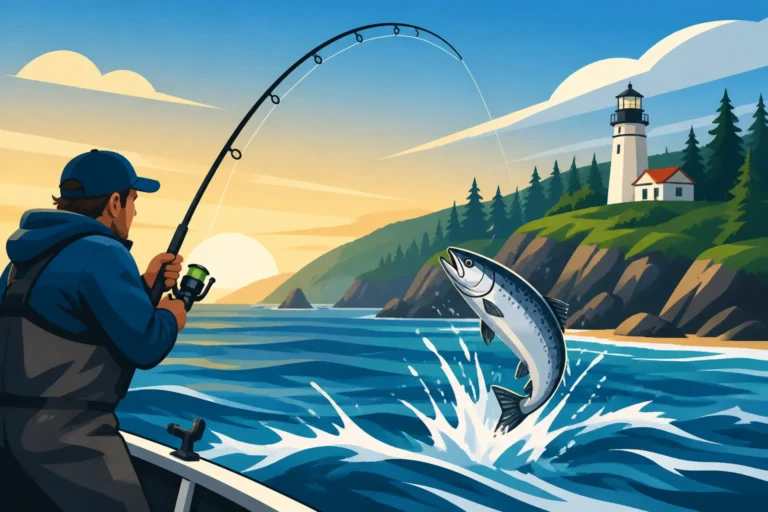
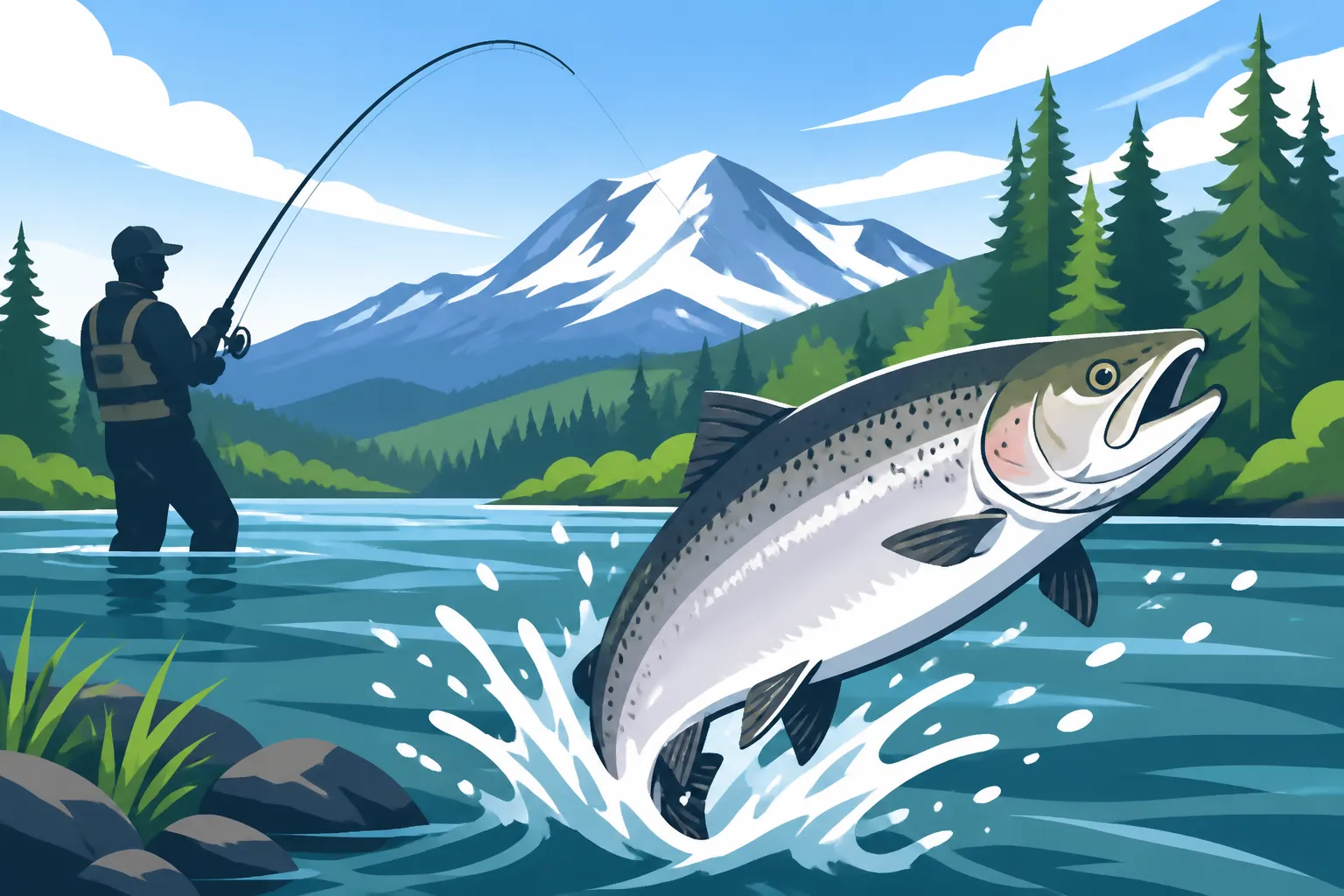
Anglers chase Spring Chinook for two primary reasons: their incredible fighting prowess and their unparalleled quality for the dinner table. These fish are often referred to as "springers" or "kings" for a reason. When hooked, they display an explosive power, characterized by long, drag-screaming runs, powerful headshakes, and often acrobatic jumps. Landing one is a true test of an angler's skill and tackle, providing a heart-pounding battle that can last minutes or even longer. Many experienced anglers will tell you that a springer fights harder pound-for-pound than almost any other salmon species.
Beyond the thrilling fight, the culinary appeal of Kalama spring Chinook is legendary. Because they enter the river so early in their migration cycle, they retain a high fat content and vibrant red-orange flesh, often referred to as "butter-bright." This translates to a rich, delicious flavor and firm texture that makes them incredibly desirable for baking, grilling, smoking, or even raw preparations. Comparing them to the leaner, paler flesh of fall Chinook, many consider Kalama springers to be the absolute pinnacle of salmon table fare. It's this combination of raw power and exquisite flavor that cements the Kalama's reputation as a premier spring Chinook destination.
Prime Times and River Conditions for Kalama Springers
Success on the Kalama River, especially when targeting those prized Spring Chinook, hinges greatly on understanding the timing and, perhaps even more critically, the river's ever-changing conditions. It's a dance between the calendar and Mother Nature, and knowing the steps can make all the difference.
Best Months to Target Spring Chinook
While the exact start and peak of the Spring Chinook run on the Kalama can vary year to year due to ocean conditions, hatchery returns, and water levels, the prime window generally opens in March and extends through June. March and early April can be fantastic for early arrivals, often larger fish, but the numbers might be lower and the weather can still be quite challenging. You might find fewer anglers on the water, offering a more serene experience for those willing to brave the chill.
As April progresses into May, the run typically builds, bringing with it more consistent opportunities. May is often considered the heart of the springer season, with good numbers of fish moving through the system. This is when you'll see more boats and bank anglers converging on the popular spots. June can still offer excellent fishing, especially in the early weeks, though the run might start to taper off as more fish move into the upper river sections or begin staging for eventual spawning. Always remember that specific regulations are released annually by the Washington Department of Fish and Wildlife (WDFW), and it's absolutely crucial to check the most up-to-date rules before heading out. For a broader overview of when different species are active, you might find our guide on Washington Fishing Seasons: A Month-by-Month Guide helpful.
How River Flows and Clarity Impact Your Success
River flow and clarity are arguably the most critical factors when fishing the Kalama for Spring Chinook. The river's personality changes dramatically with these elements.
High Water: After heavy rains or significant snowmelt, the river can become high and muddy. While this can sometimes push fish upstream faster, it also makes them harder to locate and less likely to bite. Visibility is low, so scent-based baits like cured roe become paramount. Fishing the edges of the main current, in slower pockets, or behind obstructions where fish can rest, often yields the best results during high water. Access can also become challenging, as some bank spots might be submerged, and boating can be dangerous.
Low Water: Conversely, extended periods of dry weather can lead to very low and clear water conditions. While this might sound ideal, very clear water can make fish skittish and harder to approach, especially in daylight. Anglers often need to use lighter leaders, smaller baits, and make longer casts to avoid spooking fish. The fish might also concentrate in deeper pools, making those areas more productive.
Ideal Conditions: Many experienced Kalama anglers prefer a moderate flow that's either stable or slowly dropping after a fresh rain. The water should have a slight "stain" or "color" to it – not crystal clear, but not chocolate milk either. This slight turbidity provides cover for the fish, making them more comfortable and less wary, while still allowing enough visibility for them to see your presentation. A good rule of thumb is when you can see your prop in about 2-3 feet of water. These conditions often trigger fish to move and bite more actively. Monitoring USGS river gauges for the Kalama River can give you real-time data on current flow and height, which is an invaluable tool for planning your trip.
Navigating Water Temperature and Its Role
Water temperature is another subtle but significant factor influencing Spring Chinook behavior in the Kalama. These ocean-fresh fish are accustomed to cold water, and they prefer to hold in sections of the river that maintain a comfortable temperature range.
Cold Water (Early Season): In early spring, when snowmelt is still significant or air temperatures are low, the river can be quite cold. Chinook might be less active and hold in deeper, more stable thermal zones. Their metabolism is slower, so they might not chase baits aggressively. Slower presentations, longer soaks, and concentrating on deeper holes where the water temperature might be slightly more stable can be effective.
Optimal Temperature Range: As the season progresses and river temperatures gradually climb into the 45-55°F range, Chinook activity often increases. This temperature band seems to stimulate their metabolism, encouraging them to migrate and react more readily to baits and lures. This is often when the bite really turns on.
Warmer Water (Late Season): By late spring or early summer, if air temperatures are consistently high, the river can warm up considerably, especially in the shallower sections. While Chinook will still be present, they might become less active during the hottest parts of the day and seek out cooler thermal refuges, such as cold water inflows from tributaries or deeper, shaded pools. Targeting them during cooler parts of the day, like early mornings or late evenings, can become more productive in these conditions. Carrying a small water thermometer and taking readings at various spots can provide valuable insights into where the fish might be holding.
Essential Gear and Techniques for Kalama River Chinook
Tackling Spring Chinook on the Kalama River isn't a casual affair; these are powerful fish that demand respect and specialized gear. Being properly outfitted and understanding effective techniques will dramatically improve your chances of success.
Rods, Reels, and Line for These Powerful Fish
When you hook into a Kalama springer, you'll be glad you didn't skimp on your setup. These fish pull hard, often making blistering runs, so your gear needs to be up to the task.
Rods: For drift fishing or plunking from the bank or boat, a medium-heavy to heavy action casting rod, typically 9 to 10.5 feet in length, is ideal. Brands like Lamiglas, G. Loomis, and Fenwick offer excellent salmon rods designed for this kind of power. A longer rod helps with line control, mending, and absorbing the shock of powerful runs. You want a rod with enough backbone to turn a large fish away from snags and current, but enough tip sensitivity to detect subtle bites.
Reels: A robust levelwind baitcasting reel is the standard choice. Look for models with a smooth, powerful drag system and a high line capacity. Shimano Tranx, Daiwa Lexa, or Penn Squall are popular options. A reliable drag is non-negotiable; a sticky or inconsistent drag will lead to broken lines and lost fish. Make sure it's capable of handling saltwater use, as many of these reels pull double duty in Puget Sound.
Line: Spool your reel with strong mainline. Many anglers prefer 20-30 lb monofilament or braided line. Braided line offers superior sensitivity and strength for its diameter but requires a shock leader of 30-50 lb monofilament to absorb surges and prevent line breaks. If using mono, a heavier main line of 25-30 lb is common. For leaders, fluorocarbon is the material of choice due to its invisibility underwater and abrasion resistance. A 20-25 lb fluorocarbon leader is a good starting point, but you might need to go lighter in clear water or heavier in snag-filled areas. Remember that on some Washington rivers, How Many Rods You Can Fish at Once in Washington is a regulation you'll need to be aware of.
Top Baits and Lures for Spring Chinook
Spring Chinook can be particular, but there are a few tried-and-true presentations that consistently produce on the Kalama.
Cured Roe: This is arguably the king of Kalama River baits. Fresh, properly cured salmon roe (often from fall salmon) is incredibly effective due to its strong scent and natural appeal. Anglers typically drift small egg clusters or single eggs under a float or on a drift rig. The key is a vibrant color and potent scent. Many anglers have their own "secret" curing recipes, often involving borax, Nictra salt, and various powdered scents. Presenting it naturally is paramount.
Plugs: Diving plugs are incredibly effective, especially when back-trolling from a boat or plunking from the bank. Popular choices include Brad's Wigglers (especially in sizes W40 or W50), Kwikfish, and Mag Lips. Common colors range from metallic finishes (chrome, gold) to vibrant patterns (chartreuse, fire tiger), often with a scent applied to the plug. These lures imitate wounded baitfish and create an irresistible wobbling action.
Spin-N-Glos and Corkies: These buoyant devices, often paired with bait like a prawn or a piece of roe, are excellent for drift fishing. The Spin-N-Glo adds flash and vibration, while corkies provide buoyancy to keep your bait just off the bottom. Colors like chartreuse, orange, and pink are popular. The spinning action of a Spin-N-Glo, combined with a juicy scent trail from bait, can be deadly in moderately turbid water.
Spoons and Spinners: Large, heavy spoons (like Little Cleos, Dardevles, or Acme Kastmasters) and spinners (like Blue Fox Vibrax, Mepps Aglia) can also entice aggressive biters, particularly in faster water or when fish are fresh. Chrome, brass, and coho-killer patterns are good starting points. They rely on flash and vibration to trigger a strike.
Twitching Jigs: While often associated with coho, heavy jigs (3/8 oz to 1 oz) with marabou or rabbit fur skirts can be effective for springers in certain conditions, especially when fished aggressively in deeper holes. Black, purple, and blue combinations can sometimes surprise you.
Popular Fishing Methods: Drifting, Plunking, and Trolling
Knowing what to use is only half the battle; knowing how to present it is the other. The Kalama offers several productive techniques.
Drift Fishing: This is a highly popular and effective method, particularly when targeting fish holding in current seams and deeper pockets. Anglers use a lead weight (slinky, pencil lead, or cannonball sinker) attached via a dropper line, with a leader extending downstream to a bait (roe, prawn, yarn/bead combo, or small plug). The idea is to bounce your weight lightly along the river bottom, allowing your bait to tumble naturally downstream at the same speed as the current, directly into a fish's holding lane. Mastering the art of line mending and weight management is crucial to avoid snagging and achieve a natural drift. Our guide on Drift Fishing for Steelhead in Washington Rivers offers principles that are very applicable to salmon.
Plunking: When river flows are high or access to prime drifting runs is limited, plunking can be very effective. This involves casting out a heavy weight (often a pyramid sinker or a specialized plunking weight like a bell sinker) with a diver (such as a Spin-N-Glo or a large plug like a Kwikfish or Wiggler) attached upstream via a leader. The idea is to let the current work the diver, creating an irresistible action as it sits stationary in the current. Fish moving upstream will encounter the lure, often triggering a strike. This method is often done from popular bank access points and can be quite effective when fish are moving quickly. You can learn more about this method in our article Plunking for Salmon on Washington Rivers.
Back-Trolling/Back-Bouncing: Primarily a boat technique, back-trolling involves using the boat's motor to hold position against the current while drifting plugs or bait downstream at a controlled, slower speed. The plugs work on their own, or anglers can gently lift and drop their rods (back-bouncing) with bait to impart action. This allows anglers to meticulously cover prime water, presenting baits or lures to holding fish for extended periods. This technique requires excellent boat control and knowledge of the river's underwater structure. Guides often employ this method with great success.
| Technique | Gear Examples | River Conditions | Advantages | Disadvantages |
|---|---|---|---|---|
| Drift Fishing | Cured roe, Spin-N-Glos, Pencil lead, Medium-heavy rod | Moderate to low flow, moderate clarity | Very natural presentation, targets holding fish | Requires skill, prone to snagging |
| Plunking | Brad's Wigglers, Kwikfish, Heavy pyramid sinker, Heavy rod | High flow, bank access, varying clarity | Covers water passively, good for moving fish | Less active, limited control over lure |
| Back-Trolling | Mag Lips, Kwikfish, Downrigger/diver, Heavy action boat rod | Moderate to high flow, boat access | Precise depth control, covers specific lanes | Requires boat, technical, can be slow |
Key Access Points and Navigating the Kalama
The Kalama River is incredibly popular, and knowing where to go and how to get around can greatly enhance your fishing experience. Access varies significantly between bank fishing and those opting for a drift boat.
Public Bank Access Spots and Their Challenges
For many anglers, especially those just starting or visiting for a day, public bank access is the primary option. The lower Kalama, particularly near its mouth and up to the Modrow Bridge area, offers several well-known spots.
Kalama River Mouth: Where the Kalama meets the Columbia, this area can be popular, especially during the early season. Fish often stack up here before committing to the river. However, it can be extremely crowded, and casting room is at a premium. WDFW access points offer some parking and trails.
Modrow Bridge: This bridge marks a significant point on the river, and both upstream and downstream from it, you'll find various pull-offs and WDFW access points. These areas typically have deeper runs and holding water favored by Chinook. The challenge here, as with many popular bank spots, is pressure. You'll often be fishing shoulder-to-shoulder with other anglers, requiring patience and good casting etiquette. Early mornings or weekdays can offer a bit more solitude.
Challenges: The biggest frustration for bank anglers is often the sheer number of people. Prime spots fill up quickly, and navigating crowds, casting without tangling, and finding undisturbed water can be tough. Additionally, much of the river is bordered by private property, so knowing where you can legally access the river is vital. Always look for WDFW signs or designated public access areas, and respect "No Trespassing" signs explicitly. Scouting the river beforehand or talking to local tackle shops can help identify less-pressured spots.
Drift Boat Launches and River Sections
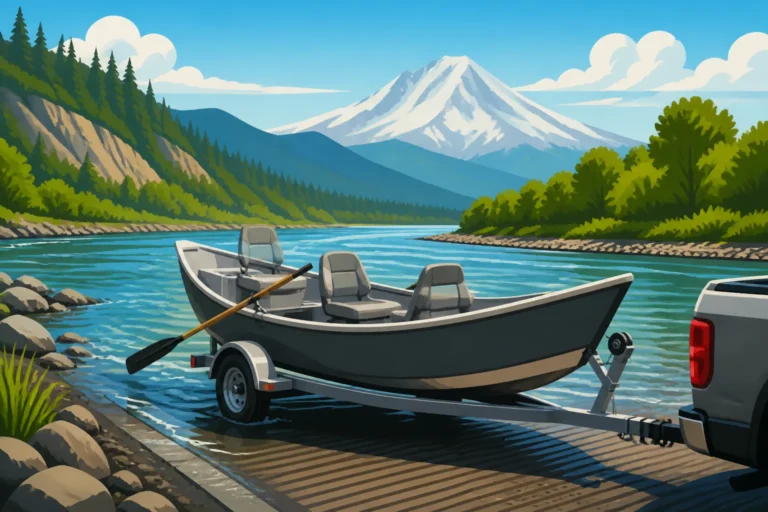
For those with a drift boat or jet boat, the Kalama opens up considerably, allowing access to more secluded runs and pools that bank anglers simply can't reach.
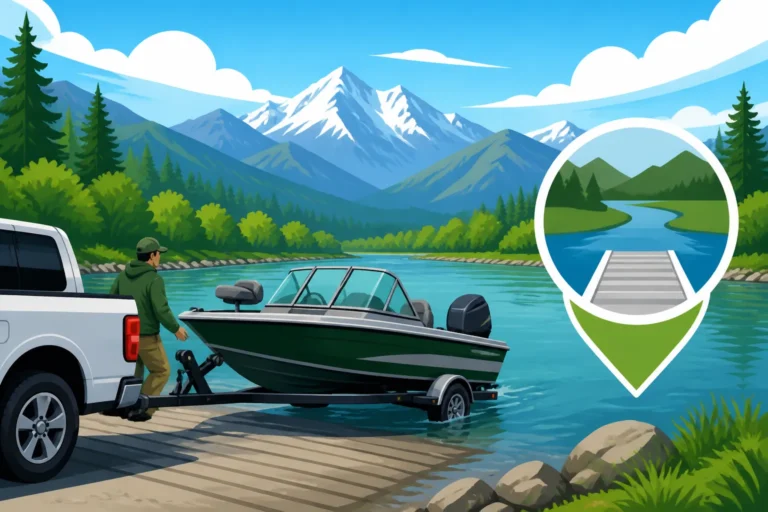
Modrow Bridge Launch: This is a very common launch point, offering access to both the lower and middle sections of the river. From here, boaters can target numerous deep holes, riffles, and current seams. The lower sections are generally wider and slower, while upstream the river becomes more intimate.
Further Upstream Access: There are several other, often smaller, launches and access points further upriver, some requiring a bit more local knowledge or smaller boats. These areas can offer excellent fishing, especially as the season progresses and fish move upstream. However, river hazards like log jams, shallow riffles, and swift current become more pronounced in the upper reaches, demanding experienced boat handlers.
River Sections: The Kalama can generally be broken into lower, middle, and upper sections for fishing purposes. The lower river, from the mouth up to roughly the Modrow Bridge, often holds the earliest fish and is characterized by wider, slower pools. The middle section, from Modrow upstream, offers a mix of faster runs, deeper holes, and some excellent drift-fishing water. The upper river, while holding fewer fish typically, can offer a more solitary experience for those seeking peace and quiet, often with opportunities for resident trout as well. Remember that specific boat launch access on the Kalama River in Washington can change, so always check WDFW resources for the latest information.
Hiring a Guide for the Kalama Experience
For many, especially those new to the Kalama, new to salmon fishing, or those traveling from out of state, hiring a professional fishing guide is an invaluable investment. A good guide offers expertise that can be difficult to acquire on your own.
Local Knowledge: Guides spend hundreds of hours on the river. They know the subtle nuances of each run, how current and clarity affect fish location, and what baits and techniques are working right now. They can interpret river conditions in a way a casual angler simply can't.
Equipment: A guide provides all the necessary high-quality gear, from specialized rods and reels to the most effective baits and lures. This eliminates the need for you to invest in expensive equipment or worry about what to buy. They also have a properly equipped boat, often a drift boat designed for the Kalama's specific challenges.
Safety and Navigation: The Kalama, like any river, has its hazards. Guides are intimately familiar with the river's log jams, shallow spots, and strong currents, ensuring a safe and productive trip.
Increased Success: While no guide can guarantee fish, they significantly increase your odds of hooking into a Spring Chinook. They'll put you in the right spot at the right time and teach you the most effective presentation techniques. If you're considering a guided trip, resources like FishingBooker can be incredibly helpful for finding reputable Kalama River guides. They allow you to compare guides, read reviews, and book directly, often with clear pricing and availability. When you book a guide for the Kalama River in Washington, you're not just paying for a boat; you're buying experience and local insight. This can be especially useful if you are considering a multi-day trip. You can also explore general tips on How to Book a Fishing Charter in Washington for a broader perspective.
Understanding Kalama River Regulations and Conservation
Fishing the Kalama River, particularly for a prized species like Spring Chinook, means you need to be intimately familiar with the rules. Washington's fishing regulations are designed to manage finite resources and are subject to change, sometimes even mid-season. Adhering to these rules isn't just about avoiding fines; it's about being a responsible steward of the fishery.
Specific Rules for Spring Chinook and Gear
The Washington Department of Fish and Wildlife (WDFW) sets the regulations for all fisheries, and the Kalama River is no exception. These rules can be complex and are often highly specific to species, time of year, and even specific river sections.
Checking Regulations: Before every trip to the Kalama, you must check the latest WDFW Sport Fishing Rules pamphlet and, critically, any emergency rule changes. These changes can modify seasons, bag limits, gear restrictions, and even open or close entire sections of the river based on fish returns and conservation needs. Our article Washington Fishing Regulations Every Angler Should Know provides a great overview, but the current pamphlet and WDFW website are your absolute best resources. Understanding Emergency Rule Changes: Why Washington's Rules Shift Mid-Season can help you prepare for these shifts.
Gear Restrictions: Pay close attention to gear rules. For salmon and steelhead in many Washington rivers, including portions of the Kalama, single-point barbless hooks are often required. This is a critical detail that's easy to overlook but can result in a citation if violated. Bait rules can also vary; sometimes bait is allowed, other times it might be prohibited. For instance, the use of live bait is almost universally prohibited for salmon and steelhead. Make sure your setup complies with the current rules regarding hooks, weights, and bait use.
Bag Limits: Daily bag limits for Spring Chinook are typically very conservative, often one or two hatchery-marked fish. You need to be able to identify a hatchery fish (usually indicated by a clipped adipose fin) from a wild fish, as wild Chinook are often required to be released unharmed.
Catch Record Cards and Responsible Angling
Your responsibilities as an angler extend beyond simply knowing the rules; they also involve diligent reporting and ethical practices.
The Catch Record Card: When fishing for salmon, steelhead, and halibut in Washington, you are required to possess a The Washington Catch Record Card and What It Requires. This card is a crucial tool for WDFW to monitor fish populations and manage fisheries. Every salmon or steelhead you keep must be immediately recorded on your Catch Record Card, even if you are using an electronic card via the MyWDFW App. Failure to do so can result in significant fines. Make sure you understand how to fill out a Washington Catch Record Card correctly and return it to WDFW by the specified deadline. Our guide on Carrying Your Washington Fishing License: Paper, Phone or the MyWDFW App details how you can keep this vital document accessible.
Ethical Angling: Responsible angling means minimizing harm to fish you intend to release. If a wild Chinook or a fish you are not permitted to keep is caught, handle it gently, keep it in the water as much as possible, and release it quickly. Barbless hooks greatly assist in quick, clean releases. Avoid "snagging" or "flossing" fish, which are illegal methods of hooking fish anywhere but in the mouth. Respect other anglers' space and private property. The Kalama is a popular river, and courteous behavior goes a long way in ensuring a positive experience for everyone.
Supporting Kalama River Salmon Conservation
The health of the Kalama River's Spring Chinook run is a direct result of ongoing conservation efforts, and anglers play a vital role in supporting these initiatives.
Hatchery Programs: The Kalama River Hatchery is instrumental in maintaining fishable populations of Chinook and steelhead. These hatcheries raise and release fish to mitigate habitat loss and provide angling opportunities. By following regulations and supporting your fishing license fees, you directly contribute to these programs.
Habitat Restoration: Organizations and agencies are continually working to restore and improve salmon habitat in the Kalama River watershed, addressing issues like riparian zone degradation, culvert blockages, and water quality. Healthy habitat is crucial for both wild and hatchery-origin fish to thrive.
Advocacy and Education: Staying informed about issues affecting the Kalama River and advocating for responsible management practices helps ensure future generations can enjoy this incredible fishery. Educating new anglers on proper techniques and ethical behavior is also a form of conservation. Each fish you release carefully, each regulation you follow, and each dollar spent on your license contributes to the longevity of the Kalama's legendary Spring Chinook run.
Beyond Chinook: Other Species in the Kalama
While the allure of Spring Chinook is undeniably the Kalama River's biggest draw in the spring, it's important to remember that this vibrant river system supports a diverse array of fish species. Understanding these other opportunities can enhance your fishing experience, especially during shoulder seasons or when Chinook are less active.
Coho and Steelhead Opportunities
The Kalama River is not just a Chinook river; it also sees strong runs of both Coho salmon and steelhead throughout the year, making it a truly multi-species destination for anadromous fish.
Coho Salmon: While spring is primarily for Chinook, the Kalama experiences excellent Coho runs in the fall. These chrome-bright fish, known for their aggressive strikes and aerial acrobatics, provide fantastic fishing from late September through November. Techniques for Coho often involve drifting cured roe, twitching jigs, or casting spinners and small plugs. They are often found in similar holding water as Chinook but can also be quite active in shallower riffles. For more on these energetic salmon, check out our guide on Coho Salmon Fishing in Washington.
Steelhead: The Kalama is also a renowned steelhead river, hosting both winter and summer runs.
* Winter Steelhead: These powerful, ocean-run rainbow trout enter the river from November through March, offering a challenging but highly rewarding fishery. They are often targeted with drift fishing techniques using baits like cured roe, yarn and beads, or plugs. The fight of a winter steelhead in cold, swift water is legendary.
* Summer Steelhead: While smaller in number than their winter counterparts, summer steelhead offer opportunities from May through August, particularly in the middle and upper river sections. These fish are often more aggressive and respond well to artificial lures, flies, and smaller baits.
Learning about Steelhead: Washington's Ocean-Run Rainbow Trout can give you a deeper appreciation for these magnificent fish and the challenges they present. Targeting steelhead often requires different approaches and gear compared to the larger Chinook, but the rewards are equally great.
Trout Fishing in the Upper River
Beyond the migratory salmon and steelhead, the Kalama River's upper stretches and tributaries hold resident trout populations, offering a different kind of angling experience.
Cutthroat and Rainbow Trout: These smaller, resident trout provide an excellent option for anglers looking for a change of pace, especially during periods when salmon and steelhead seasons are closed or slow. The upper Kalama becomes more intimate, with smaller pools, riffles, and runs, making it ideal for fly fishing or light spin gear.
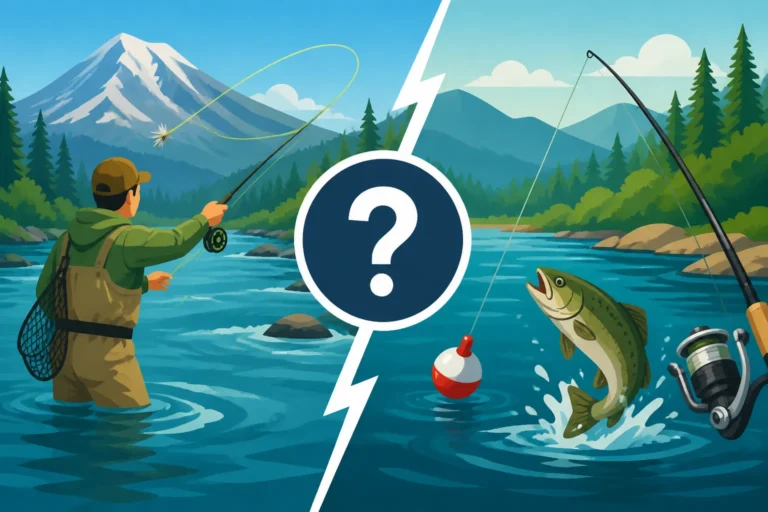
Techniques: For resident trout, light tackle is the name of the game. Fly anglers can find success nymphing, dry fly fishing during hatches, or swinging small streamers. Spin anglers can use small spinners, spoons, or drifted worms and egg imitations. It's often a catch-and-release fishery, focused more on the experience of being in a beautiful, wild setting.
Accessibility: Access to the upper river is often more challenging, requiring longer hikes or venturing onto forest service roads. This also means less pressure and a more tranquil experience. Always be aware of specific regulations for trout, including size limits and bait restrictions, as these can vary from salmon and steelhead rules. Combining a trip for Spring Chinook with an afternoon seeking trout in the scenic upper river can provide a well-rounded and memorable Washington fishing adventure.
Disclaimer
Please be aware that fishing regulations in Washington State can change frequently, sometimes with little notice, due to fish run forecasts, conservation needs, and in-season management adjustments. Always consult the official Washington Department of Fish and Wildlife (WDFW) website or the latest printed regulations pamphlet before heading out on any fishing trip. The information provided in this guide is for general informational purposes only and should not be considered a substitute for current official regulations.