The Washington River With the Longest Steelhead Season
It's a frustrating reality for many anglers in Washington: you get all geared up for steelhead season, mark your calendar, only to find that the window of opportunity is incredibly narrow, or worse, an emergency closure sweeps in and shuts things down before you've even wet a line. This unpredictability, especially on our beloved Western Washington rivers, can be a real disheartening blow when you're just looking for some consistent time on the water. If you're tired of chasing fleeting opportunities and are yearning for a place where the steelhead season feels like it stretches on forever, you've come to the right spot. This guide is dedicated to uncovering the Washington river system that offers the most expansive and reliable steelhead fishing opportunities, helping you maximize your time pursuing these incredible fish.
The Undisputed Champion: Washington's Columbia River System for Steelhead
When you're talking about the longest, most consistent steelhead season in Washington, there's one clear winner that stands head and shoulders above the rest: the mighty Columbia River system. While many of our smaller, iconic rivers on the Olympic Peninsula or Puget Sound tributaries often face tight restrictions, short openings, or outright closures for steelhead due to conservation concerns, the vastness and unique characteristics of the Columbia system provide opportunities that can span for many, many months out of the year. It's not just one specific spot, but rather the entire network of the mainstem Columbia and its major Washington tributaries that creates this extended steelhead haven.
More Than Just a River: Mainstem and Tributaries
Thinking about the Columbia River system for steelhead fishing isn't just about dropping a line in the main channel itself, though that certainly offers fantastic opportunities. It encompasses a huge network of interconnected waterways. We're talking about the main stem of the Columbia, from its lower reaches all the way up into Eastern Washington, and critically, its significant tributaries that flow into it. Rivers like the Snake River, the Yakima River, the Cowlitz River, and the Lewis River – all contribute to this incredible, prolonged steelhead fishery. Each of these rivers, while part of the larger Columbia system, often has its own unique characteristics, run timings, and regulations, which collectively provide a mosaic of fishing chances throughout the year. It's this geographical diversity and the sheer volume of water that allows for such extended seasons, as fish are constantly moving through, holding in different areas, and providing new opportunities as the year progresses.
A Focus on Summer Steelhead Opportunities
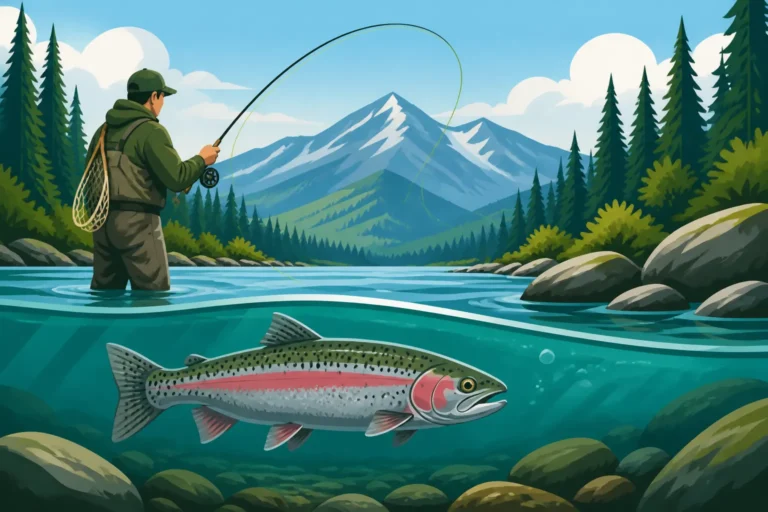
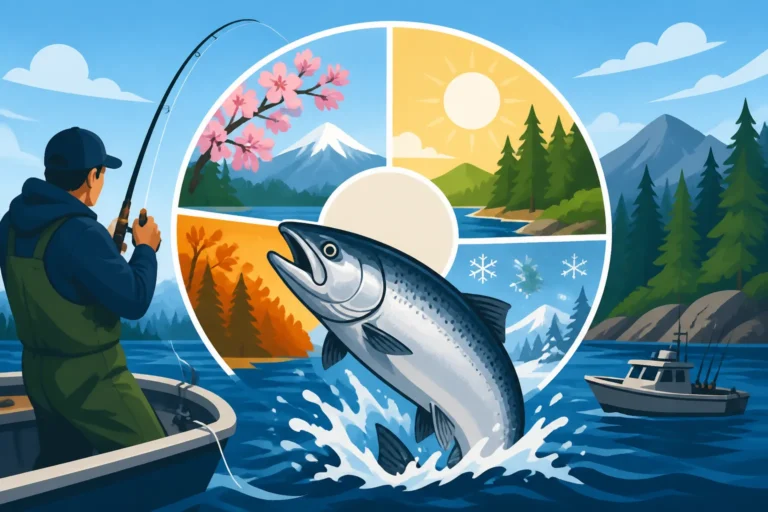
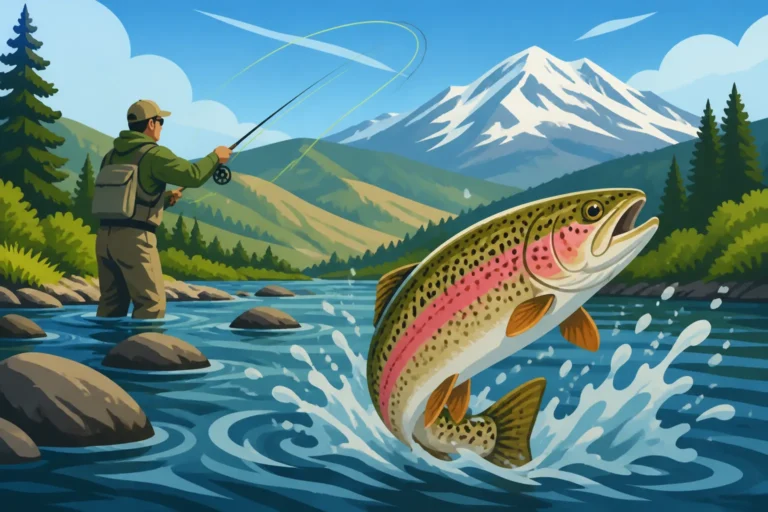
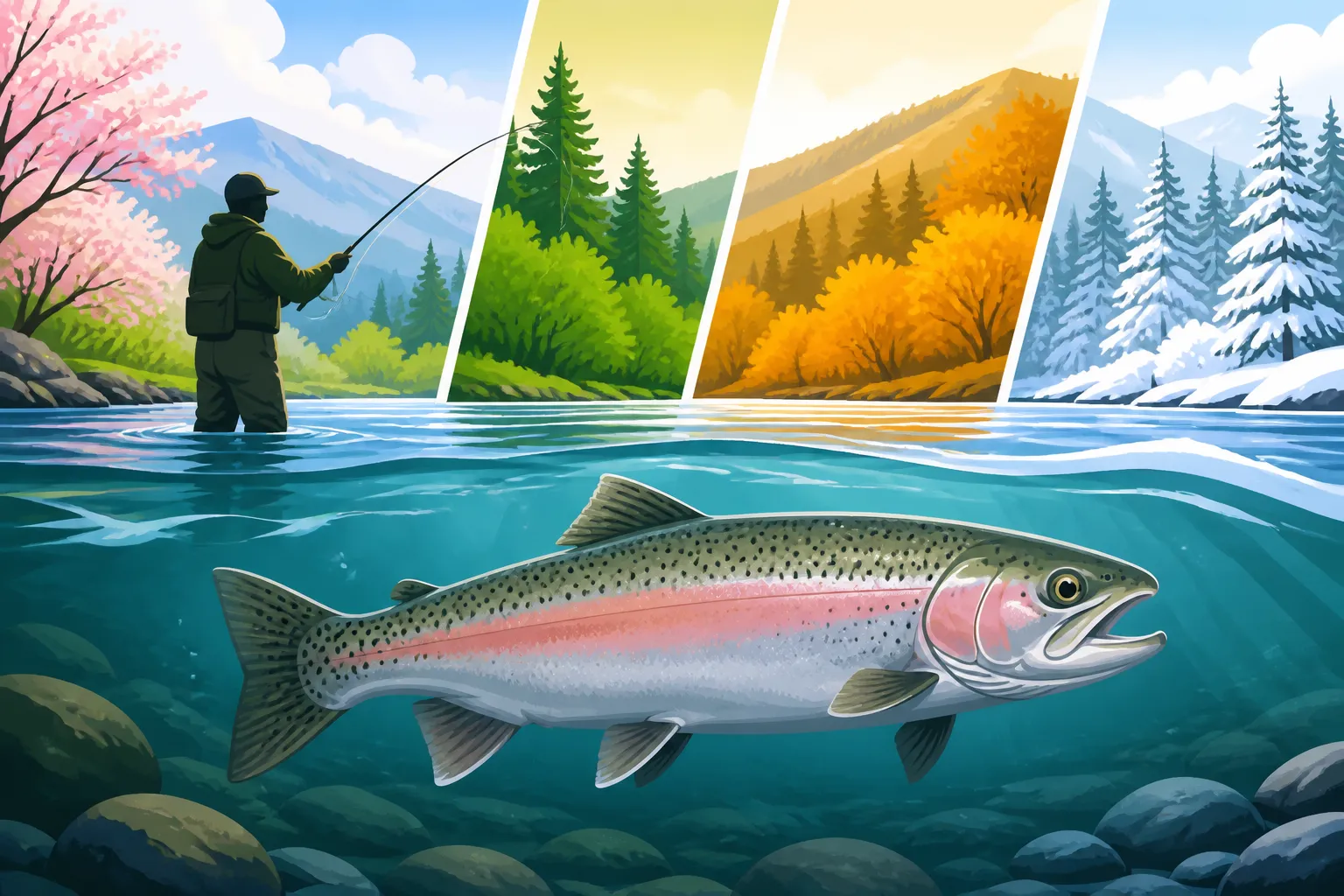
One of the primary reasons the Columbia River system boasts such an incredibly long steelhead season is its robust summer steelhead runs. Unlike the highly anticipated, but often brief, winter steelhead runs on many coastal rivers, summer steelhead begin their migration into the Columbia system in late spring and early summer, often reaching their spawning grounds or holding areas deep into the fall and even early winter. These fish are generally larger, incredibly feisty, and willing to bite, making for an exciting fishing experience that can last for months. You might be targeting them in the mainstem Columbia in July, then following them into the Snake River in August and September, or even the Yakima in the fall. This staggered arrival and extended presence of summer-run fish truly sets the Columbia system apart, providing reliable fishing when many other steelhead fisheries across the state are either closed or barely getting started. It's a huge relief for anglers who feel like they're constantly racing against the calendar on other, more restricted waters.
Why the Columbia System Offers Such Extended Seasons
It’s easy to feel a bit jealous when you hear about rivers with long, open seasons, especially when your local waters are often closed. But there are very real, ecological, and management reasons why the Columbia River system can support such extensive steelhead fishing. It's not just luck; it's a combination of unique factors that make it an outlier compared to many other Washington rivers.
Diverse Runs and Hatchery Programs
The Columbia River system benefits from an incredible diversity of steelhead runs, both wild and hatchery-supplemented. While wild steelhead populations are closely managed and often lead to catch-and-release rules or even full closures on many rivers, the extensive hatchery programs throughout the Columbia basin play a crucial role in extending fishing opportunities. Millions of hatchery steelhead are released annually into the Columbia and its tributaries. These fish are specifically managed for harvest, meaning they often have more liberal bag limits and longer seasons. When you combine the various runs (early summer, mid-summer, late summer, and even some winter-run fish in certain tributaries) with the sheer volume of hatchery fish, it creates a sustained fishery that can weather pressures better than purely wild systems. Anglers looking for a consistent opportunity to bring home a fish often find the Columbia's hatchery-centric management a welcome change from the often restrictive wild-fish regulations elsewhere.
Geographic Scale and Hydropower Influence
The sheer size of the Columbia River basin is difficult to overstate. It’s one of the largest river systems in North America, and its length within Washington State, combined with its many tributaries, means there's always somewhere that fish are moving or holding. This vastness inherently provides more opportunities across different zones and segments of the river. Furthermore, the numerous hydroelectric dams along the Columbia and its tributaries, while presenting challenges for fish passage, also create unique fishing conditions. The tailraces below dams, for instance, often concentrate fish, offering accessible angling hot spots for extended periods. These reservoirs and dam-controlled flows can sometimes stabilize water conditions, which, while not natural, can make fishing more predictable for anglers over a longer season. For instance, you might find concentrations of fish below Priest Rapids Dam or McNary Dam, creating consistent spots even as runs ebb and flow elsewhere. This ability to target fish in various sections and conditions, sometimes aided by the very infrastructure that defines the river, contributes significantly to the extended season.
Overlapping Fishery Management
Another key factor in the long steelhead season of the Columbia system is the complex, yet often complementary, management by both Washington and Oregon, as well as tribal nations. While this can sometimes lead to confusing regulations, it also means that the sheer effort of managing such a vast system often results in broader overall opportunities. Different sections of the river, or different tributaries, might have distinct seasons or regulations that, when viewed holistically, create an almost continuous fishing calendar. For example, when one section might be slowing down, another further upstream or a specific tributary might be just hitting its stride. This overlapping and sometimes concurrent management allows for a prolonged aggregate season, where an angler can shift their focus from one area to another to follow the fish or the most favorable conditions. It's a testament to the immense resource the Columbia represents, necessitating a more expansive management approach than smaller, single-state rivers. For those looking to fully understand the intricacies, checking the specific rules for sections of the river is vital, and resources like the comprehensive guide on Washington Fishing Regulations Every Angler Should Know can be incredibly helpful.
Navigating Seasons and Regulations for Columbia System Steelhead
While the Columbia River system offers the longest steelhead season, it's not a free-for-all. Like any fishery in Washington, careful attention to regulations is paramount. The seasons can still change, and knowing where and when you can fish is crucial for a successful and legal trip. It's a bit of a dance, but one that is well worth learning.
Understanding the WDFW Rules and Updates
The Washington Department of Fish and Wildlife (WDFW) is your absolute go-to resource for current regulations on the Columbia system. Because the Columbia is such a dynamic fishery, especially with its summer steelhead runs and the various tributaries, rules can and do change throughout the year. This is why always checking the latest WDFW pamphlet and emergency rule updates is non-negotiable. You’ll want to pay close attention to sections covering the mainstem Columbia, as well as specific regulations for tributaries like the Snake, Yakima, Cowlitz, and Lewis. For example, specific sections might have different catch limits or gear restrictions depending on the time of year or run forecasts. Anglers often get caught out by Emergency Rule Changes: Why Washington's Rules Shift Mid-Season, so staying informed through the WDFW website or their "Fish Washington" app is essential, almost like a daily habit. Don't rely on last year's pamphlet; fish populations, dam operations, and even weather can all impact what's open and what's not.
Key Areas and Their Specific Seasons
The "longest season" really means the cumulative opportunities across various parts of the Columbia River system. Let's look at a table illustrating how different sections or tributaries might offer prolonged opportunities:
| River/Section | Typical Steelhead Season (Primary Focus) | Key Characteristics for Long Season |
|---|---|---|
| Lower Columbia Mainstem (below Bonneville) | Late Spring – Fall (Summer Steelhead) | Early arrival of summer-runs, often open when upper river sections are still building. Good for boat and bank anglers. |
| Mid-Columbia Mainstem (above Bonneville) | Summer – Fall (Summer Steelhead) | Fish hold in pools below dams, offering consistent angling throughout warmer months. Hatchery returns strong. |
| Snake River | Summer – Early Winter (Summer Steelhead) | Famous for its robust summer steelhead fishery that can extend for many months, often into December. |
| Cowlitz River | Spring – Fall (Summer/Winter overlap) | Strong hatchery programs support both winter and summer runs, providing opportunities almost year-round with different targets. |
| Lewis River | Summer – Fall (Summer Steelhead) | Also hatchery-supported, offers good summer steelhead fishing, often a bit later than the Cowlitz. |
| Yakima River | Summer – Fall (Summer Steelhead) | Known for its fly-fishing opportunities for summer steelhead, with a season that can run well into October/November in specific sections. |
It’s this geographical spread and varied timing that makes the Columbia system the overall longest season. You might start your summer steelhead journey on the lower Columbia, then move to the Snake, and finish up on the Yakima, effectively extending your personal "steelhead season" for many months. This requires understanding Washington Sport Fishing Seasons and Emergency Closures across these diverse locations.
Gear, Bait, and Technique Considerations for Extended Seasons
Given the diverse nature of the Columbia River system and its long seasons, your gear and techniques might need to adapt. On the lower mainstem Columbia, especially during peak summer runs, you might find yourself Trolling for Salmon in Washington's Puget Sound for steelhead, or anchor fishing with bait. As fish move up into tributaries like the Snake or Yakima, techniques shift. Drift Fishing for Steelhead in Washington Rivers with a variety of baits (roe, yarn balls, beads) or lures (spinners, spoons) becomes highly effective. Fly anglers will find fantastic opportunities, especially on sections of the Yakima River, where Fly Fishing Washington's Rivers and Lakes for summer steelhead is a prime pursuit. Understanding water conditions, clarity, and temperature will also dictate your lure choices and presentation. For instance, in clear, low water, smaller presentations and natural baits might be key, while in higher, off-color water, larger, brighter baits or scent might be more effective. Carrying a range of options ensures you're prepared for whatever conditions the long season throws at you across this vast system.
Planning Your Long-Season Steelhead Adventure
Embracing the Columbia River system for its extended steelhead season means thinking a bit differently about your fishing trips. It's less about hitting a short, intense window and more about consistent, strategic angling. Planning ahead, having the right gear, and tapping into local knowledge will make all the difference.
Essential Gear for Year-Round Preparedness
Since you'll be fishing over such an extended period and across various conditions, having versatile gear is a huge advantage. You'll need sturdy rods (medium-heavy to heavy, depending on the specific water and fish size) capable of handling powerful steelhead. A good quality reel with a smooth drag and plenty of line capacity is non-negotiable. Don't forget your waders and reliable rain gear, as "summer" steelhead season often stretches into the notoriously damp Washington fall. Think about a variety of terminal tackle: different weights of lead or slinkies for drift fishing, a selection of hooks, swivels, and leader material. Lures should include various colors and sizes of spinners, spoons, and jigs. For bait anglers, having options like cured salmon roe, scent, or even worms can be effective depending on the river section and current regulations. And, of course, your Washington Fishing License Guide for Nonresidents or resident license, along with your The Washington Catch Record Card and What It Requires, should always be with you, properly filled out when you harvest a fish. Being prepared for diverse conditions and techniques will ensure you're ready for any opportunity the long season presents.
Finding Accommodations and Local Services
The Columbia River system spans a huge part of Washington, so you'll find a wide range of towns and services to support your fishing trips. From smaller communities like Clarkston on the Snake River to larger cities like Vancouver or Tri-Cities along the mainstem Columbia, you'll have access to tackle shops, hotels, campgrounds, and restaurants. For example, if you're hitting the Snake, towns like Clarkston or even further east into Idaho offer good access. If you're focusing on the mid-Columbia, places like Pasco, Kennewick, or Richland are excellent bases. Along the lower Columbia, towns like Kalama or Longview provide great access points for the Cowlitz and Lewis rivers. Many of these areas are accustomed to anglers and often have guides, bait shops, and even fish processing services available. Before heading out, it's always a good idea to research local accommodations and services, especially during peak summer or fall months when popular spots can get busy. Websites like FishingBooker can sometimes help you identify local guides or lodging options in fishing-focused towns, making your planning a little easier.
Maximizing Your Chances with a Local Guide
Even with the longest season, the Columbia River system is vast and complex. Water conditions, fish movements, and specific regulations can change rapidly. This is where a local fishing guide can be an absolute game-changer, especially for anglers new to the area or those looking to quickly get on fish. A good guide knows the river intimately, understands the nuances of Understanding Washington's Daily Bag Limits by Species for different stretches, and tracks fish movements. They can put you on the best spots, provide the right gear and bait for the day's conditions, and teach you effective techniques specific to the Columbia's steelhead. This is particularly true for rivers like the Cowlitz or Snake, where Columbia River Guided Salmon and Steelhead Trips in Washington are a popular and effective way to experience the fishery. While you can absolutely DIY, a guide can save you countless hours of scouting and trial-and-error, making your limited time on the water much more productive. When thinking about How to Book a Fishing Charter in Washington or a guided trip, consider a reputable guide service that specializes in the specific section of the Columbia system you plan to fish, as their expertise will be invaluable.
Disclaimer
Fishing regulations, seasons, and access can change rapidly in Washington State. Always consult the official Washington Department of Fish and Wildlife (WDFW) regulations pamphlet, emergency rule changes, and local signage before heading out on any fishing trip. The information provided in this guide is for general informational purposes only and should not be considered a substitute for official WDFW regulations.