When Coho Salmon Run in Washington
One of the most exciting times for anglers in Washington is when the Coho salmon begin their annual migration from the ocean back to their natal rivers. If you've ever found yourself scratching your head, wondering exactly when these acrobatic, chrome-bright fish will make their appearance in a specific river or marine area, you're not alone. It can feel like a moving target with all the variables involved, but understanding the general timing and factors influencing Coho runs is key to successful fishing. This comprehensive guide will break down the typical Coho salmon season across Washington, helping you anticipate their arrival and plan your angling adventures.
The Annual Coho Calendar: When to Expect Them
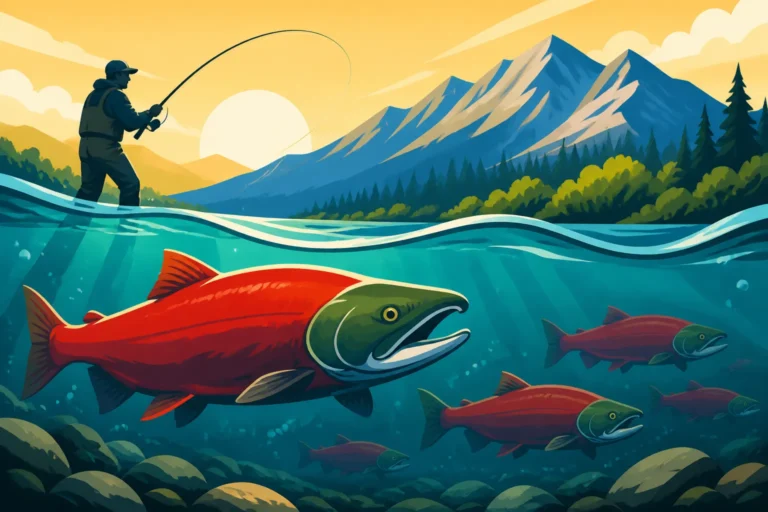
Figuring out the precise "when" for Coho salmon can feel a bit like forecasting the weather – there's a general pattern, but local conditions always play a role. However, broadly speaking, Coho salmon, often called "silvers" for their brilliant chrome sides, tend to arrive in Washington waters from late summer through the fall. This timing can vary significantly depending on whether you're targeting ocean-bound fish, those entering Puget Sound, or those making their way far up the Columbia River system.
Typically, the first signs of Coho returning to Washington are seen in the ocean fisheries off the coast, particularly around areas like Westport or Neah Bay. These fish start staging and moving towards the coast as early as late July, with August often marking the peak of this initial push. As August transitions into September, these Coho begin filtering into the major marine areas of Puget Sound and into the lower reaches of coastal rivers. By October and even into early November, the runs are in full swing in many rivers and tributaries, offering fantastic opportunities for both boat and bank anglers. It’s a progression, a wave that moves from the vastness of the Pacific, into our sounds, and then up the intricate network of rivers, each phase offering unique fishing experiences.
Life Cycle and Migration Patterns
To truly appreciate when Coho salmon run, it helps to understand a bit about their remarkable life cycle. These fish spend roughly 18 months in freshwater as juveniles, typically hatching in spring, spending their first year in rivers and streams, and then smolting (transforming to survive in saltwater) the following spring. After smolting, they migrate out to the vast feeding grounds of the Pacific Ocean. Here, they spend approximately one to two years growing rapidly, feeding on baitfish and crustaceans, building the size and strength for their final journey.
Their homeward migration is triggered by a combination of biological cues and environmental factors. As they reach sexual maturity, often in their third year of life, an innate drive compels them to return to the exact freshwater system where they were born. This journey can span hundreds, even thousands, of miles, navigating vast ocean currents before finding the familiar scent of their home river. Once they enter the freshwater systems, their focus shifts entirely to spawning. They stop feeding aggressively, though they will still strike at lures and baits out of aggression or instinct. This incredible journey culminates in their spawning, after which they complete their life cycle. Knowing this makes every hook-up feel even more special, a testament to an amazing natural wonder. You can learn more about their journey and other species in our comprehensive guide to Washington Fishing Seasons: A Month-by-Month Guide.
Distinguishing Coho from Other Salmon Species
It's easy for newer anglers, or even seasoned ones in the heat of the moment, to confuse Coho with other salmon species, especially when they're fresh from the ocean. However, knowing how to identify Coho is crucial, not just for bragging rights, but for adhering to specific regulations which often differ by species. Coho typically possess a distinctive combination of features. Their tails are usually lightly spotted on the upper lobe only, and they have a relatively small, narrow caudal peduncle (the part where the tail fin attaches to the body). Inside their mouths, their gums are typically light or white, and they often have a black mouth with white gums and a generally small, consistent pattern of black spots on their backs.
In contrast, Chinook salmon (Kings) often have black gums, black mouths, and spotting on both lobes of their tail fin. Pink salmon (Humpies) are much smaller, have large oval spots on their backs and tail, and develop a pronounced hump on the males during spawning. Chum salmon (Dogs) are known for their distinctive vertical barring and large, canine-like teeth during their spawning phase. Getting a clear look at the tail spotting and the mouth color is often the quickest way to make a positive identification. If you're ever in doubt, it's always best to release the fish or consult a regulations pamphlet to be safe. For a deeper dive, check out our article on How to Identify Coho Salmon in Washington's Puget Sound.
Key Factors Influencing Coho Runs
The timing and strength of Coho salmon runs in Washington are never precisely the same year to year. While there's a general calendar, several critical environmental factors can significantly influence when and how many Coho show up. Ignoring these variables is a common mistake that can lead to frustratingly slow days on the water. A truly prepared angler understands that Mother Nature always has the final say.
Ocean Conditions and Food Availability
The time Coho spend in the Pacific Ocean is absolutely vital for their growth and survival, and ocean conditions during these years heavily dictate the size and health of the returning run. Factors like ocean temperature, currents, and the abundance of their primary food sources – particularly small baitfish like herring and anchovies, along with krill – are paramount. When ocean conditions are favorable, providing a rich, cold-water upwelling that brings nutrients to the surface, Coho thrive. They grow larger, healthier, and return in greater numbers. Conversely, warm "blob" events or strong El Niño cycles can disrupt these feeding grounds, leading to poorer foraging, smaller fish, and ultimately, weaker returns.
It's not just about the total number of fish, either; robust ocean feeding means bigger, fatter Coho. These "ocean bright" fish are typically strong fighters and highly prized by anglers. Keeping an eye on reports from marine biologists and even commercial fisheries can offer early clues about the health of the upcoming Coho run long before they hit our estuaries and rivers. Understanding these large-scale ocean dynamics helps set realistic expectations for the season.
River Flows and Water Temperatures
Once Coho leave the ocean and enter freshwater, river conditions become the dominant factor in their migration. High river flows, often brought by late summer and fall rains, are like a welcome mat for salmon. Increased water levels provide easier passage over obstacles, dilute predator scents, and generally make the journey upstream less arduous. Many Coho will "stack up" in estuaries or at river mouths, patiently waiting for these rain-fed freshets before making their final push. Conversely, prolonged periods of low, warm water can delay runs, making fish lethargic and less willing to enter rivers.
Water temperature is another critical element. Coho prefer cooler water, typically below 65 degrees Fahrenheit, for active migration and spawning. Rivers that remain too warm for too long can stress fish, make them susceptible to disease, and again, delay their movement. Anglers often find that the best Coho fishing in rivers occurs shortly after a significant rain event, as water levels rise and temperatures drop slightly, signaling to the fish that it’s time to move. This is why paying attention to weather forecasts and real-time river gauges is just as important as knowing the calendar date when you're looking for Coho.
Hatchery vs. Wild Coho Contributions
Washington's Coho fishery is a blend of both wild and hatchery-produced fish, and understanding this distinction is crucial for both conservation and fishing success. Hatcheries play a significant role in supplementing salmon runs, particularly for recreational and tribal fisheries, by releasing millions of Coho smolts annually. These hatchery fish are often marked with a clipped adipose fin, making them identifiable to anglers. The timing of their return is often more predictable and can be somewhat manipulated by hatchery release schedules and specific return goals.
Wild Coho, on the other hand, are the backbone of healthy ecosystems and often return in numbers dictated solely by natural survival rates in the wild. While hatchery fish often make up a significant portion of the catch in many areas, wild Coho are increasingly protected through selective fisheries where only adipose-clipped fish can be retained. This is where understanding How Bag and Possession Limits Work in Washington and Washington Fishing Regulations Every Angler Should Know becomes paramount. Anglers need to be diligent in identifying their catch and knowing the specific rules for the waterbody they are fishing. The long-term health of Coho populations relies on the protection and recovery of wild stocks, even as hatcheries provide valuable fishing opportunities.
Regional Variations for Coho in Washington
While Coho salmon generally follow a late summer to fall return pattern, Washington's diverse geography means there are distinct regional differences in when and where you'll find them. What holds true for the coast might be entirely different for an inland Puget Sound river, and the Columbia River system has its own unique characteristics. Understanding these nuances can save you a lot of travel time and increase your chances of finding fish.
Puget Sound Coho Fisheries
Puget Sound is a massive, intricate inland sea, and its Coho fisheries are among the most anticipated by local anglers. The first waves of ocean-bright Coho typically start showing up in the outer marine areas, like Marine Area 9 (Admiralty Inlet) and Marine Area 6 (Eastern Strait of Juan de Fuca), around late July into August. These are often aggressive feeders, still actively gorging before they commit to their freshwater journey. As the season progresses into September and October, these fish move deeper into the Sound, dispersing into areas like Marine Area 10 (Seattle/Bremerton Area), Marine Area 11 (Tacoma/Vashon Island), and then pushing into the mouths of rivers.
Popular Puget Sound rivers such as the Puyallup, Green, Snohomish, Skagit, and Stillaguamish all see Coho returns, typically peaking from late September through October. Many of these rivers have significant hatchery programs, contributing to strong fishing opportunities. Anglers often target Coho in the lower river estuaries before they enter the freshwater, or further upstream once they've committed to their spawning run. This dynamic environment offers a variety of fishing methods, from trolling in the Sound to Bank Fishing Techniques for Washington Salmon in the rivers. Always check the specific WDFW regulations for each marine area and river, as seasons and limits can change quickly, sometimes even with Emergency Rule Changes: Why Washington's Rules Shift Mid-Season.
Coastal Rivers and Ocean Coho Opportunities
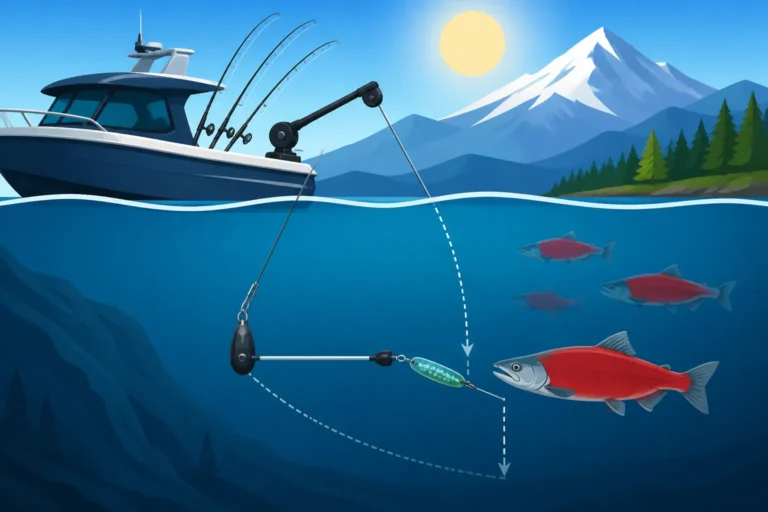
Washington's coast offers some of the earliest Coho action, as these fish are the first to encounter the mainland before heading north or into specific river systems. Offshore, particularly out of ports like Westport, Ilwaco, or Neah Bay, the Coho season typically kicks off in earnest by late June or early July, often running strong through August. These are typically robust, actively feeding fish, making for exciting ocean trolling experiences. Fishermen often use downriggers to present spoons, bait, or hoochies at various depths to target these schools.
As the season progresses, Coho begin entering coastal rivers such as the Quillayute, Hoh, Sol Duc, and Humptulips. These rivers typically see their Coho runs peak from late September through November, often later than Puget Sound systems due to differences in migration paths and water conditions. These coastal river fisheries are renowned for their wild Coho returns, though hatchery programs also contribute. Drift fishing with roe, beads, or small spinners is a popular and effective method here. The sheer beauty of the Olympic Peninsula rivers, combined with the aggressive strikes of Coho, makes for an unforgettable experience.
Columbia River System Coho Dynamics
The mighty Columbia River system, a sprawling network that stretches far inland, also sees strong Coho returns, though the timing is often a bit later than coastal or Puget Sound fisheries. Coho enter the Columbia River estuary, particularly around the famous Buoy 10 fishery at the mouth, typically in mid-August, with the run peaking through September. This fishery is legendary for its sheer numbers of salmon, including both Chinook and Coho, and sees thousands of boats during peak season. Anglers often troll with flashers and spinners or cut-plug herring to entice bites.
As these fish move upstream, they disperse into various tributaries. Significant Coho runs are seen in rivers like the Cowlitz, Kalama, and Lewis Rivers, usually peaking from late September through October, and sometimes extending into November for later hatchery returns. The further upstream you go, the later the fish tend to arrive. Bank anglers and boat anglers alike target Coho in these tributaries, using a variety of methods from drift fishing to bobber-dogging. Given the size and complexity of the Columbia River and its tributaries, always consult the WDFW regulations specific to each river section, as rules can vary greatly.
Table: General Coho Salmon Run Timing by Region in Washington
| Region | Early Season (Initial Arrival) | Peak Season (Strongest Numbers) | Late Season (Tail End of Run) | Primary Target Species | Common Fishing Methods |
|---|---|---|---|---|---|
| Washington Coast | Late June – Early July | July – August | September | Ocean Coho | Trolling |
| Puget Sound Marine | Late July – Early August | August – September | October | Ocean/Transition Coho | Trolling, Mooching |
| Puget Sound Rivers | Mid-September | Late September – October | Early November | River Coho | Drift, Bobber, Casting |
| Columbia River Estuary | Mid-August | Late August – September | Early October | Ocean/Transition Coho | Trolling |
| Columbia River Tribs | Late September | October – Early November | Mid-November | River Coho | Drift, Bobber, Casting |
Note: These are general timelines and can vary significantly based on annual conditions, specific river systems, and WDFW emergency rule changes.
Gear and Techniques for Washington Coho
Once you know when and where the Coho are running, the next step is getting geared up and understanding the most effective techniques. Coho are known for their acrobatic fights and aggressive strikes, making them an incredibly fun fish to target. Having the right tackle and knowing how to present your offering can make all the difference between a memorable day and a frustrating one.
Recommended Rods, Reels, and Line
For Coho salmon, you'll want a setup that offers a good balance of power for fighting these strong fish, sensitivity for detecting subtle bites, and enough backbone for casting and setting hooks.
- For River Fishing (Drift/Bobber/Casting): A medium-heavy to heavy action casting or spinning rod, typically 9 to 10.5 feet in length, is ideal. Brands like Lamiglas, Shimano, or Fenwick offer excellent rods in this range. This length provides good line control, casts well, and absorbs the shock of a head-shaking Coho. Pair this with a baitcasting reel (like an Ambassadeur or Lexa) for drift fishing or a quality spinning reel (like a Penn Battle or Shimano Stradic) in the 3000-5000 series for casting spoons or bobber fishing. Load your reel with 15-20 lb monofilament or fluorocarbon main line, or 30-50 lb braided line with a 15-20 lb fluorocarbon leader. Braided line offers superior sensitivity and casting distance, which can be a huge advantage when trying to reach those distant seams.
- For Trolling in Marine Areas: A medium-heavy downrigger rod, typically 8.5 to 9.5 feet, with a forgiving tip but strong butt section, is perfect. Match this with a robust baitcasting reel (like a Daiwa Sealine or Shimano Tekota) capable of holding 200-300 yards of 20-30 lb monofilament or braid. The longer, softer action helps keep the line in the downrigger clip and absorbs the violent strikes Coho are famous for when hitting trolled gear. Make sure your reel has a smooth drag system, as Coho are prone to blistering runs.
Having good quality line is essential; you can often find great deals on durable braided lines and fluorocarbon leaders on Amazon if you're looking to stock up before the season.
Effective Lures, Baits, and Flies
Coho can be enticed by a wide array of presentations, and the best choice often depends on the specific water and conditions you're fishing.
- Lures:
- Spoons: Crippled Herring, Koho, and Pixee spoons in chrome, blue/silver, or chartreuse are deadly for both casting in rivers and trolling in the Sound. Their erratic flutter mimics wounded baitfish.
- Spinners: Rooster Tails, Blue Fox Vibrax, and Mepps spinners in sizes #4 to #6, often with bright colored blades (chartreuse, orange, silver), are excellent for river casting.
- Jigs: Lead head jigs dressed with marabou or rabbit fur, in colors like pink, chartreuse, or black/purple, fished under a float (bobber-jigging) are incredibly effective in rivers, especially for holding fish.
- Plugs/Wobblers: Smaller Hot Shots or Kwikfish plugs can be highly effective when back-trolling or back-bouncing in river currents.
- Baits:
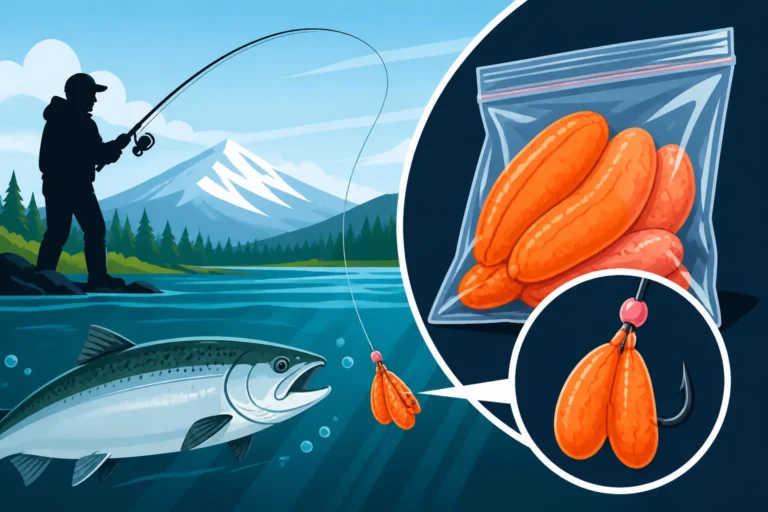
- Cured Roe: Salmon eggs (roe), often tied into dime-to-quarter-sized clusters, are a perennial favorite for drift fishing or bobber fishing in rivers. Their natural scent is irresistible.
- Herring/Anchovy: Cut-plug herring or whole anchovies, trolled behind a flasher, are deadly in marine areas and the Columbia River estuary. The slow roll created by the cut plug is often too much for a Coho to resist. You can often find pre-rigged options or the necessary rigging gear for sale on Amazon.
- Flies (for fly anglers):
- Streamers: Large, flashy streamers that imitate baitfish, like the Clouser Minnow, Woolly Bugger (in black, olive, or purple), and various Spey flies, are effective in rivers. Pink, chartreuse, and blue are popular Coho colors.
- Intruders: For Spey casting, intruder-style flies in gaudy colors can be very productive for aggressive Coho in river currents.
Remember, presentation is often more important than the specific lure. Make sure your bait is fresh, your lures are clean, and your flies are tied correctly.
Boats vs. Bank Fishing for Coho
Both boat and bank fishing offer excellent opportunities for Coho, each with its own advantages and challenges.
- Boat Fishing: Provides unparalleled access to prime fishing grounds, especially in marine areas of Puget Sound, the Columbia River estuary (like Buoy 10), and larger rivers. Trolling from a boat allows you to cover vast amounts of water, seeking out schools of actively feeding Coho. In rivers, drift boats or jet sleds allow anglers to cover productive stretches more efficiently, accessing runs and holes that are inaccessible from shore. If you're considering a Puget Sound trip, our guide on Trolling for Salmon in Washington's Puget Sound offers valuable insights. While a boat expands your options, it also comes with the responsibility of boat maintenance, safety equipment, and navigating specific marine and river regulations.
- Bank Fishing: An incredibly popular and accessible way to target Coho, particularly in Washington's rivers. Many rivers have designated public access points, parks, and even shoreline trails that offer excellent bank fishing opportunities. Techniques like drift fishing with bait or beads, casting spoons or spinners, or bobber-dogging jigs can be highly effective from shore. While bank fishing might limit your ability to cover water as broadly as a boat, it often allows for more focused, precise presentations in known holding areas. It's a fantastic option for those who prefer to keep their feet on solid ground, and many anglers find great success in readily accessible spots on rivers like the Cowlitz, Green, or Skagit. Just be sure to respect private property and be mindful of other anglers.
Conservation and Future of Coho Fishing
The thrill of catching a Coho salmon in Washington is deeply intertwined with the responsibility of ensuring these magnificent fish continue to thrive for generations to come. Conservation isn't just a buzzword; it's a critical part of ethical angling, especially with the pressures facing wild salmon populations. Being informed and acting responsibly plays a direct role in the future of our fisheries.
Regulations and Catch Limits
Washington's fishing regulations for Coho salmon are dynamic and complex, often varying by marine area, river system, and even specific dates. These rules are designed by the Washington Department of Fish and Wildlife (WDFW) to manage sustainable fisheries, protect vulnerable wild stocks, and allocate harvest among different user groups. It's not uncommon for bag limits to differ between hatchery (adipose fin-clipped) and wild (unclipped) Coho, with stricter limits or even catch-and-release requirements for wild fish. For instance, in some Puget Sound rivers, you might be allowed to keep two hatchery Coho but be required to release all wild ones.
Furthermore, seasons can open and close abruptly based on in-season run updates, test fishery results, or reaching harvest quotas. This is why always checking the most current WDFW emergency rules before every trip is not just recommended, but absolutely essential. You can often find the latest information on the WDFW website or by checking their weekly regulation updates. Ignorance of the rules is never an excuse, and violating them can lead to significant fines. Always carry your current Washington Fishing License Guide for Nonresidents (or resident license) and a copy of the regulations pamphlet, which you can usually pick up at any license dealer or download digitally.
Impact of Climate Change on Coho
The long-term health and abundance of Coho salmon are increasingly threatened by the widespread impacts of climate change. Warmer ocean temperatures, for example, can disrupt the cold-water upwelling that brings nutrient-rich waters to the surface, reducing the food available for Coho during their critical ocean feeding phase. This can lead to smaller, less healthy returning fish and reduced survival rates.
In freshwater, climate change contributes to altered river flows and elevated water temperatures. Drier summers and reduced snowpack can mean lower, warmer rivers during the crucial fall migration, creating thermal barriers and making fish more susceptible to disease. Intense rainfall events, while sometimes providing beneficial freshets, can also lead to scouring floods that damage spawning redds or wash away juvenile salmon. These shifts in environmental conditions create significant challenges for Coho, complicating their already arduous life cycle. Anglers often observe these changes firsthand, seeing how an unusually warm fall or a prolonged drought can impact the timing and quality of the Coho run.
Supporting Coho Recovery Efforts
As anglers, we have a vital role to play in supporting Coho recovery efforts beyond simply following regulations. Contributing to conservation organizations that focus on habitat restoration, advocating for sound fisheries management, and practicing responsible angling techniques are all crucial. Many organizations work tirelessly to restore riparian habitats, remove fish passage barriers, and educate the public on salmon conservation.
Even seemingly small actions can make a difference: properly handling released fish to minimize stress, using barbless hooks (which are often required anyway, as detailed in Barbless Hook Requirements on Washington Rivers), and minimizing your environmental footprint while on the water. Additionally, participating in local stream clean-ups or volunteering with WDFW or other conservation groups can have a direct, positive impact. By staying informed, contributing to scientific data (through catch reporting, for instance, using your The Washington Catch Record Card and What It Requires), and supporting initiatives that protect and restore Coho habitat, we help ensure that the exhilarating experience of catching a chrome-bright Coho remains a possibility for future generations of Washington anglers.
Disclaimer
Fishing regulations and seasons in Washington State are subject to change by the Washington Department of Fish and Wildlife (WDFW) at any time, often with short notice due to in-season updates, emergency closures, or biological data. While every effort has been made to provide accurate and up-to-date information in this guide, it should not be considered the definitive source for current regulations. Always consult the official WDFW website, the latest "Sport Fishing Rules" pamphlet, or a local WDFW office before planning and embarking on any fishing trip. Your understanding and adherence to the most current regulations are your sole responsibility.