Incoming vs Outgoing Tide for Salmon Fishing
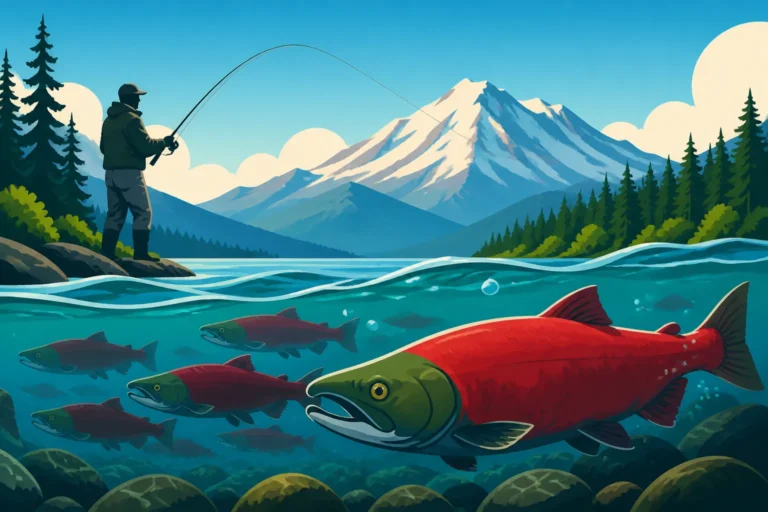
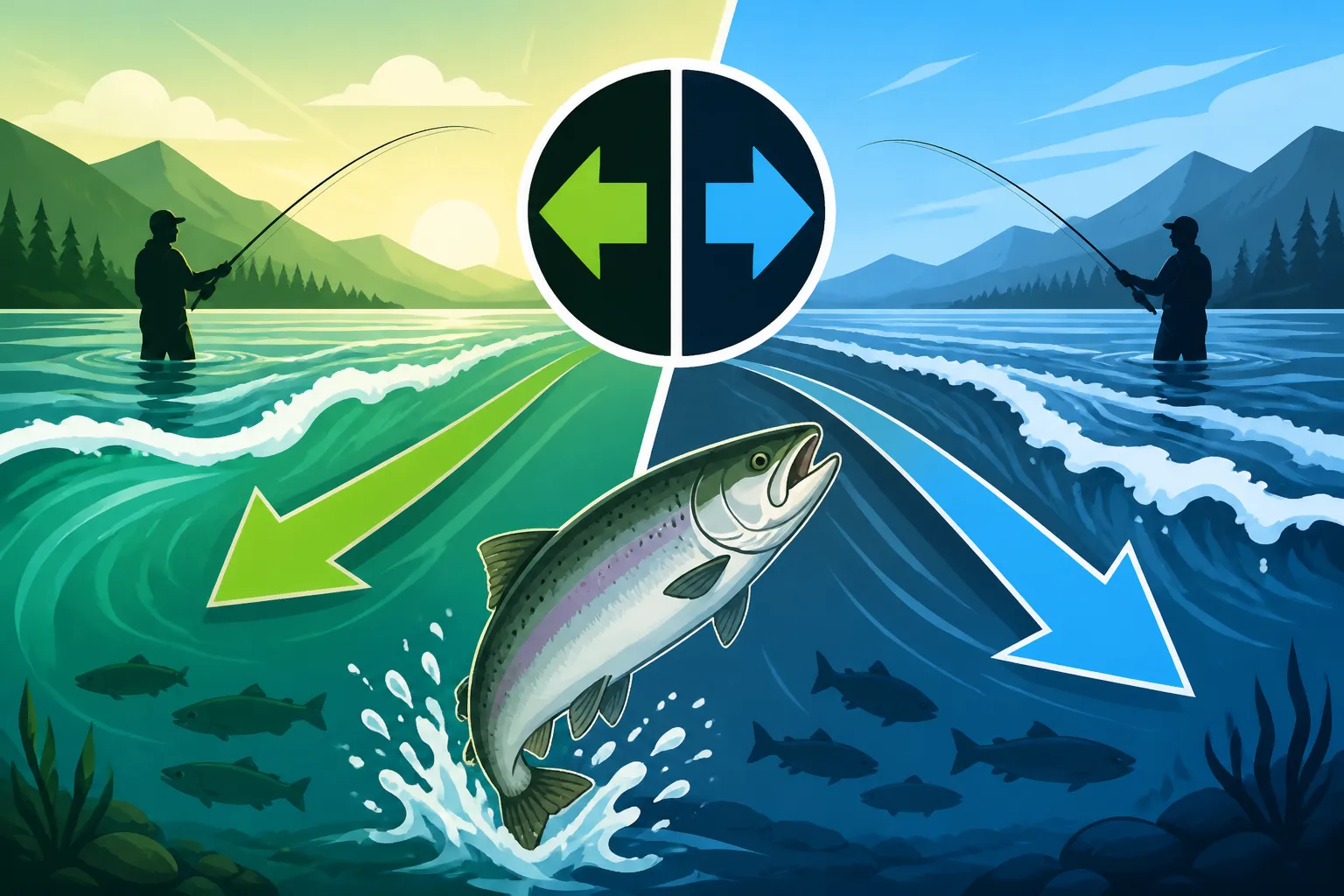
One of the most perplexing parts of salmon fishing in Washington, especially for those new to the saltwater or tidal rivers, is trying to figure out if you should be out there when the tide is coming in or when it's going out. It feels like there’s always conflicting advice, and the frustration of being on the water during what you thought was the prime time, only to be skunked, is utterly real. This guide is all about breaking down the mysteries of incoming versus outgoing tides for salmon fishing, helping you understand how these water movements influence salmon behavior and, most importantly, how you can use that knowledge to put more fish in your net.
The Dynamic Dance of Tides and Salmon Behavior
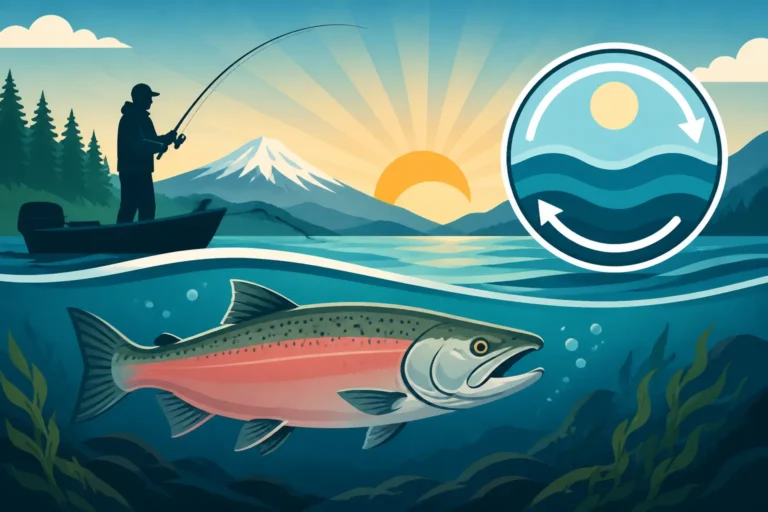
Understanding tides isn't just about knowing when the water level is high or low; it's about recognizing the currents, the movement of bait, and the behavioral shifts in salmon that come with them. Salmon, being highly migratory and acutely sensitive to their environment, respond dramatically to tidal changes. Think of it like a giant conveyor belt moving food, oxygen, and navigational cues. Different species, different locations, and even different times of the year can mean that what works on an incoming tide in one area might be completely ineffective during the same tide cycle somewhere else. It’s a complex puzzle, but with a bit of insight, you can start to piece it together.
Salmon are often opportunistic feeders and also follow specific migration routes, both of which are heavily influenced by the push and pull of the tides. In estuaries and river mouths, for example, the tide can dictate how far inland salmon can travel or when they choose to hold in certain areas. In the vastness of Puget Sound, tides create currents that concentrate baitfish, making specific feeding lanes for salmon. Ignoring the tide is like trying to navigate a bustling city without understanding traffic flow – you're likely to get stuck or miss your destination.
Unpacking the Incoming Tide for Salmon Anglers
Many seasoned anglers, especially those targeting Chinook (King) salmon, often swear by the incoming tide, and for good reason. As the ocean's influence pushes water into bays, estuaries, and river systems, it brings with it a surge of activity that can be incredibly beneficial for salmon fishing. This isn't just a gentle rise in water level; it’s a dynamic process that reshapes underwater currents and stirs up the food chain.
The Rush of Fresh Water and Baitfish Migration
One of the biggest advantages of an incoming tide, particularly in saltwater areas like Puget Sound or near river mouths, is the influx of cooler, oxygenated ocean water. This "fresh" water often brings with it a host of baitfish – herring, anchovies, candlefish – that salmon eagerly pursue. As the tide pushes in, these baitfish get funneled into specific channels, coves, and points, creating predictable feeding lanes for hungry salmon. Imagine a bottleneck effect where schools of bait are concentrated, and salmon are just waiting for the buffet to arrive.
Anglers often find that targeting prominent points, current seams, or the edges of kelp beds during the first half of an incoming tide can be incredibly productive. These are natural ambush points where salmon can conserve energy while waiting for prey to be swept to them. You might see a lot of activity at places like Point No Point or Possession Bar as the tide starts to flood, bringing with it a renewed sense of urgency for feeding salmon. This is a prime time for techniques like Trolling for Salmon in Washington's Puget Sound with flasher-and-hoochie setups or cut-plug herring, mimicking the very baitfish that are moving with the current. Having a good collection of different flasher colors and hoochie sizes on hand, perhaps ordered conveniently from Amazon, ensures you can match the hatch and conditions.
Navigating Estuaries and River Mouths on the Flood
For those fishing tidal rivers and estuaries, an incoming tide can signal the beginning of a salmon's journey upstream. As the saltwater pushes inland, it often encourages salmon, particularly those staging before their final push to spawning grounds, to move with the current. They'll follow these tidal pushes, using the moving water to conserve energy. This is especially true for species like Coho salmon and Chum salmon, which are often found congregating in these transitional zones.
If you're fishing from the bank in an estuary, the incoming tide can open up new opportunities. As the water rises, it covers previously exposed flats and channels, allowing salmon to move into areas they couldn't access during low tide. This can be a fantastic time for Bank Fishing Techniques for Washington Salmon, using weighted presentations like jigs or bobber-and-egg setups to target fish moving through channels or staging behind structure. It’s crucial to pay attention to your depth and casting distance, adjusting as the water level changes. A good pair of polarized sunglasses, easily found on Amazon, can help you spot subtle changes in current or underwater structure that might otherwise be missed.
Deciphering the Outgoing Tide for Salmon Anglers
While the incoming tide often gets all the glory, the outgoing tide can be just as, if not more, productive for certain salmon species and specific fishing scenarios in Washington. The ebb of the tide brings a different set of conditions, pushing water out from estuaries and rivers, and creating distinct feeding and holding patterns for salmon.
The Drain and the Dredge: Baitfish Retreat and Concentration
As the tide begins to fall, water recedes from shallow areas, forcing baitfish out of their temporary refuges and concentrating them in deeper channels or along drop-offs. This "drain" effect can be a literal feeding frenzy for salmon. Think of it as the opposite of the incoming tide's funnel; now, all the dispersed baitfish are being flushed out and squeezed into smaller areas. Predator fish, including various salmon species, know this and will often position themselves at the mouths of bays, inlets, or river channels to intercept this outgoing bounty.
This scenario is particularly effective for targeting staging salmon, especially Chinook and Coho, that are holding near river mouths or along the outer edges of bays before making their final push upstream. Fishing the last hour of the outgoing tide and the first hour of the slack low can be incredibly productive. Techniques like Mooching for Salmon in Washington's Puget Sound with cut-plug herring or whole baitfish become deadly, as these presentations mimic distressed bait being swept away. This is also when you might find success with Plunking for Salmon on Washington Rivers where the river meets the sound, using heavy weights to hold your gear in the strong currents created by the ebb.
River Fishing and the Outgoing Flush
In tidal rivers like the lower sections of the Cowlitz or the Skagit, an outgoing tide can be crucial for anglers. As the river water dominates and pushes towards the sound, it can trigger different behaviors in salmon. Resident salmon and steelhead might become more active as the current stabilizes or changes its flow patterns. For anadromous salmon entering the river system, the outgoing tide might cause them to hold in deeper pools or behind significant structure, waiting for the next incoming tide to assist their journey.
If you're fishing a river system with tidal influence, understanding the specific points and holding water during an outgoing tide is key. Salmon often stack up in predictable spots as they await the next opportunity to move. This is where Reading Water for Bank-Fishing Salmon truly comes into play; identifying those current breaks, deep troughs, and submerged logs can be the difference between a slow day and a successful one. Pay attention to how the current forms eddies and seams, as these are often prime spots for salmon to rest and feed. A waterproof map, or even a well-charged phone with a good fishing app (many available through Amazon), can help pinpoint these key locations as you watch the tide recede.
Factors Beyond Just Incoming or Outgoing
While knowing whether the tide is coming in or going out is a crucial piece of the salmon fishing puzzle, it's never the only piece. Several other factors combine with tidal influence to create the optimal (or suboptimal) conditions for catching salmon in Washington. Ignoring these can lead to frustration, even if you've timed the tide perfectly.
The Importance of Slack Tide
Often overlooked in the excitement of "incoming" vs. "outgoing" is the period of slack tide – the brief window when the water is neither rising nor falling significantly. There's a slack high and a slack low, and both can offer unique fishing opportunities. During slack tide, currents diminish, which can sometimes make fish less active, but it can also be a time when baitfish are less dispersed, and salmon can be found concentrated in predictable areas, often near structure.
For some anglers, particularly when Best Time to Fish for Chinook in Washington's Puget Sound during challenging conditions, slack tide can be a moment of respite before the next strong current. Salmon might nose into structure or suspend deeper. It’s a good time to slow down your presentation, perhaps using slower trolls or more deliberate jigging techniques. Sometimes, a subtle bait presentation is what it takes when the current isn't doing all the work for you. Understanding the full Washington Fishing Seasons: A Month-by-Month Guide can further inform when different salmon species are likely to be present during these tidal phases.
Understanding the Tide Exchange (Tide Swing)
The magnitude of the tide change, known as the tide exchange or tide swing, also plays a huge role. A strong tide exchange (large difference between high and low) creates powerful currents that can be either a blessing or a curse. While strong currents can concentrate bait and stimulate aggressive feeding, they can also make fishing challenging due to difficulty in holding bottom, managing your gear, or keeping your boat in position. Conversely, a weak tide exchange results in less current, which might mean less bait movement but also calmer fishing conditions.
Anglers targeting When Coho Salmon Run in Washington might find that Coho prefer moderate currents, while big Chinook might thrive in stronger flows that bring larger bait to them. It's not just about the direction of the tide, but how much water is moving. Checking a tide chart, which you can easily find online or in local tackle shops, will give you the predicted heights and therefore the strength of the tide swing. This detail, often overlooked by beginners, is a game-changer for those looking to refine their approach.
Matching Tides with Species and Location
The "best" tide isn't universal; it truly depends on what you're fishing for and where. Different salmon species and specific locations in Washington have unique relationships with tidal movements. What works for Chinook in Puget Sound might not be effective for Coho in the Columbia River.
Here's a quick overview:
| Tide Type | Common Species Targeted | Best Locations | Typical Behavior & Techniques |
|---|---|---|---|
| Incoming (Flood) | Chinook, Coho, Chum (estuary) | Puget Sound points, coastal bays, river mouths, estuaries | Brings in baitfish, salmon feed aggressively; Trolling for Salmon in Washington's Puget Sound, mooching, bank fishing. Fish move into new areas with rising water. |
| Outgoing (Ebb) | Chinook, Coho, Pink (coastal), Chum (river) | River mouths, estuary channels, deep cuts near structure, coastal humps | Flushes bait from shallow areas, salmon intercept; Mooching for Salmon in Washington's Puget Sound, Plunking for Salmon on Washington Rivers, jigging. Fish stack in deeper holding water. |
| Slack High | Chinook, Lingcod (non-salmon) | Deep water, near structure, open water | Reduced current, fish can suspend; slower trolls, deep jigging. |
| Slack Low | Coho, Chum, Steelhead (river) | Deep river pools, protected bays | Fish hold in deeper water, less active; bobber & jig, drift fishing. |
Knowing the nuances of each species' migration and feeding habits can really improve your success. For example, during the When Chinook Salmon Run in Washington's Puget Sound, these powerful fish often seek out strong currents where bait is plentiful. Meanwhile, when Puget Sound Salmon Closures: What Washington Anglers Need to Know due to conservation, paying attention to specific tidal windows in open areas becomes even more critical to maximize legal fishing time.
Gear Considerations for Tidal Fishing
Regardless of whether you're fishing an incoming or outgoing tide, having the right gear is essential. Strong currents can put a lot of strain on your Rod and Reel You Need for Washington Puget Sound Salmon setup. You’ll often need heavier weights, stronger leaders, and robust main lines to handle the pressure. For example, if you're Bank Fishing Techniques for Washington Salmon during a strong outgoing tide in a river like the Cowlitz, you might need lead weights of 4-6 ounces just to keep your bait on the bottom.
Also, consider the type of terminal tackle. Swivels, snaps, and even hook sizes might need to be beefed up to withstand the currents and the powerful fight of a salmon in moving water. Always carry a good selection of weights, leaders, and different lure types to adapt to changing conditions. Many anglers stock up on these essentials from reliable online retailers like Amazon to ensure they're always prepared for whatever the tide throws at them. Remember, Best Time of Day to Fish for Salmon in Washington often coincides with strong tidal movements, so be prepared for a fight!
Ultimately, the best approach is to be flexible. Go out, pay attention to the tides, observe what's working (and what's not), and keep learning. The more time you spend on the water, whether it's an incoming or an outgoing tide, the more you'll understand the rhythm of salmon fishing in Washington.
Disclaimer
Fishing regulations in Washington State can change frequently, sometimes even mid-season, due to emergency rule changes issued by the Washington Department of Fish and Wildlife (WDFW). Always consult the latest WDFW regulations pamphlet, emergency rules, and any local advisories before heading out on the water. This guide provides general information and should not be considered a substitute for official regulations.