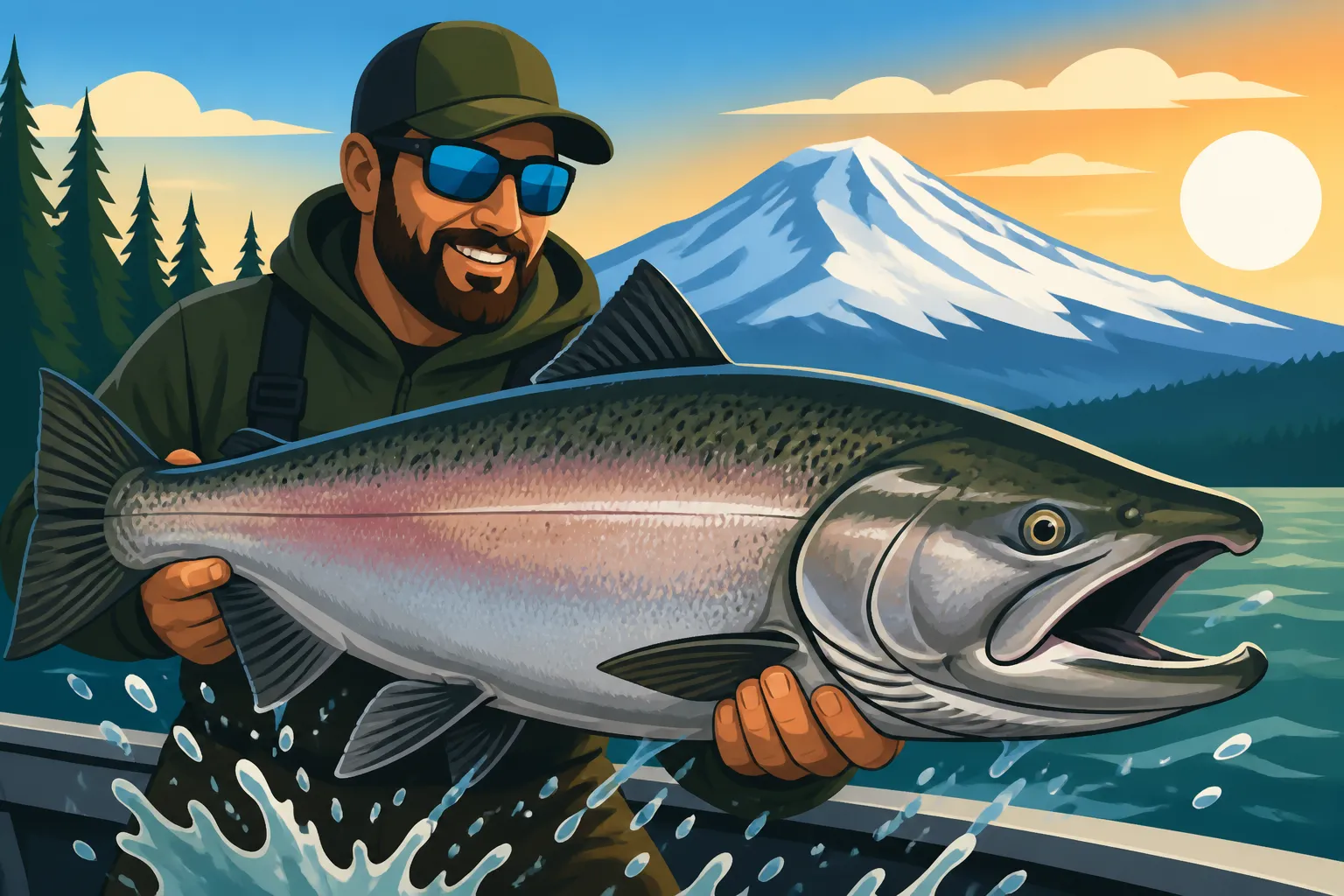
How Big Washington Chinook Salmon Get
The thrill of chasing a Chinook salmon in Washington is unlike any other fishing experience. These powerful fish, often called "Kings," represent the pinnacle of an angler's pursuit, and inevitably, the question arises: just how big do they really get? Many of us dream of landing a monster, but understanding the realistic size ranges and the factors that contribute to a Chinook's impressive stature can make your pursuit more rewarding, even if you don't break a state record. This guide will dive deep into the typical sizes you can expect, the giants that haunt our waters, and what makes these magnificent creatures grow so large.
Understanding Chinook Salmon: Washington's King of Fish
Chinook salmon, Oncorhynchus tshawytscha, truly earn their regal nickname. They are the largest of the Pacific salmon species, renowned not just for their size but also for their incredible fighting spirit once hooked. From the vast expanse of the Pacific Ocean to the freshwater rivers and tributaries where they return to spawn, these fish embody strength and resilience. Anglers throughout Washington, from the Puget Sound to the mighty Columbia River, spend countless hours dedicated to the quest for these magnificent fish.
The reputation of the Chinook isn't just folklore; it's built on a foundation of genuine biological prowess. They spend several years in the ocean, sometimes up to seven, gorging on smaller fish and krill, converting that rich bounty into immense size and muscle. When they enter freshwater systems to begin their spawning migration, they are at the peak of their physical condition, carrying all the energy reserves needed for their arduous journey upstream. This life cycle is why a fresh, ocean-bright Chinook is such a prized catch, celebrated for both its size and its incredible table fare. Many anglers consider Chinook Salmon: Washington's King of Fish to be the ultimate prize.
Average Sizes and What to Expect on Your Trip
While the tales of colossal Chinook can get your heart pounding, it's important to set realistic expectations for what you might encounter on a typical Washington fishing trip. Most Chinook caught by recreational anglers are still incredibly respectable fish, far larger than many other species. The average size can vary significantly depending on where and when you're fishing, but generally, you'll be looking at fish that provide a serious challenge.
For instance, if you're out trolling in the saltwater of Puget Sound, targeting what locals often call "blackmouth" (immature Chinook that stay in the Sound year-round), you might typically encounter fish in the 8 to 20-pound range. These are fantastic fish for their age and often put up an amazing fight. As the main migratory runs of ocean-bright Chinook enter the Sound or the coastal rivers, the average size tends to increase. You'll frequently see fish in the 15 to 30-pound bracket, with many pushing into the 35 to 40-pound class, especially during strong return years. These are the kinds of fish that make for memorable photos and challenging battles.
When you move into larger river systems like the Columbia, especially during peak runs, the potential for larger averages often comes into play. Fish making the long migration up the Columbia can still be in the 20 to 40-pound range, with certain runs or specific fishing holes known for producing even larger specimens. It's truly a lottery out there, but knowing these averages helps you appreciate every fish that comes to the net. Having a reliable scale, perhaps one you picked up from a place like Amazon, is always a good idea to accurately log your catch, especially when considering How Bag and Possession Limits Work in Washington.
The Giants: Trophy Fish and State Records
Then there are the giants—the true monsters that inspire legends and drive anglers to spend a lifetime on the water. Washington has a rich history of producing some truly enormous Chinook salmon, fish that push the absolute limits of the species' potential. These aren't your everyday catches; they are the fish of a lifetime, often requiring specialized gear, incredible patience, and a healthy dose of luck.
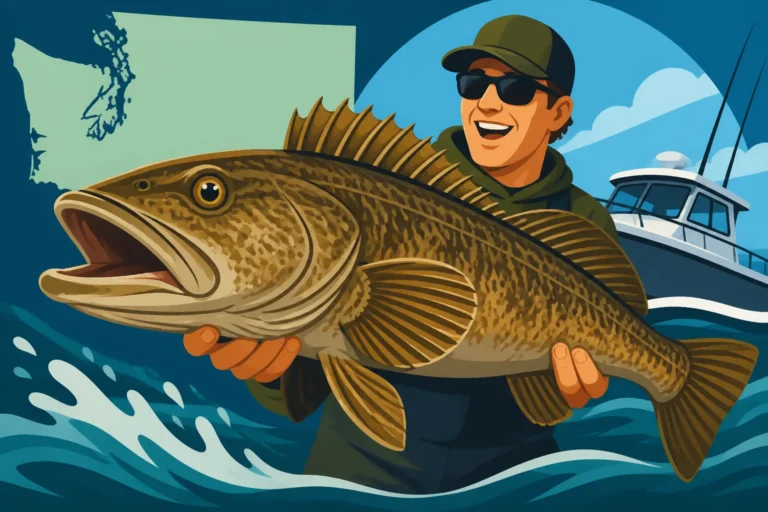
While state records are rare, they serve as a benchmark for what's possible. The current Washington state record Chinook salmon stands at an incredible 70 pounds, 8 ounces, caught in the Chetlo Harbor area back in 1949. Imagine the thrill and the sheer power of a fish like that! While breaking this record is an exceptionally tall order, every year sees a handful of "barn door" Chinook being caught that often exceed 50 pounds, sometimes even nudging 60 pounds. These trophy fish are often found in the most productive feeding grounds of the Pacific Ocean or in the lower stretches of major river systems before they've begun their long, arduous spawning journey and expended too much energy.
Catching one of these behemoths requires robust tackle. You wouldn't want to bring a knife to a gunfight, and the same goes for a 50-pound Chinook. Many seasoned anglers invest in heavy-duty rods, high-capacity reels, and strong lines, sometimes even ordering specialized gear or Rod and Reel You Need for Washington Puget Sound Salmon from online retailers such as Amazon, just for the chance at such a fish. It's the kind of dedication that pays off when that drag starts screaming and you realize you've hooked into something truly special.
Factors Influencing Chinook Salmon Size
The size a Chinook salmon ultimately reaches is a complex interplay of several factors, both genetic and environmental. Understanding these can give you a deeper appreciation for these magnificent fish and perhaps even inform your fishing strategy.
Genetics and Stock Origin
Just like any other species, genetics play a significant role in the potential maximum size of a Chinook. Different river systems often have genetically distinct stocks of salmon, and some of these stocks are simply predisposed to grow larger than others. For example, some runs on the Columbia River or coastal rivers might inherently produce larger fish compared to certain smaller Puget Sound tributaries. Hatchery programs also contribute to the gene pool, and their goals can sometimes influence average sizes, although wild genetics are generally considered paramount for producing truly large, robust fish. When learning How to Identify a Washington Chinook Salmon, you'll notice subtle differences between runs.
Ocean Feeding Conditions
The ocean is where Chinook salmon do the vast majority of their growing. The abundance and quality of their food sources—primarily baitfish like herring, anchovies, and even smaller salmon, as well as krill—directly correlate with how much weight they can pack on. Years with rich ocean upwellings and plentiful bait often lead to healthier, larger salmon returning to freshwater. Conversely, years with poor ocean conditions, such as warm water "blobs" that reduce food availability, can result in smaller average sizes across the board. The longer a Chinook spends in these fertile ocean feeding grounds, the larger it has the potential to become before it feels the urge to migrate and spawn.
Age and Time at Sea
Chinook salmon typically spend between two and seven years in the ocean before returning to their natal rivers to spawn. The general rule of thumb is: the longer they spend at sea, the larger they grow. A Chinook returning after just two years (often called "jacks") will be significantly smaller than a five- or six-year-old fish. These older, more mature fish have had more seasons to feed and accumulate biomass, leading to their impressive sizes. This is why when you hear about truly enormous Chinook, they are almost always older fish. This also ties into understanding Washington Fishing Seasons: A Month-by-Month Guide as the timing of runs often dictates the average age, and thus size, of the returning fish.
Location and Run Timing
The specific fishing location within Washington also influences the size you're likely to encounter. Ocean-caught Chinook, fresh from their feeding grounds off the coast near Westport or Ilwaco, are often at their absolute heaviest, full of fat and muscle. As they move into estuaries and then upstream into rivers, they stop feeding and begin to consume their energy reserves. While they are still incredibly powerful, they will gradually lose weight the further they travel and the closer they get to spawning. This means that a Chinook caught in the lower Columbia River might be heavier than a similar-aged fish caught hundreds of miles upstream in a tributary. This distinction is crucial for anglers trying to catch the largest possible fish, as timing your trip for when fish are still ocean-fresh, often aligning with Best Time to Fish for Chinook in Washington's Puget Sound, can make a big difference.
Distinguishing Large Chinook from Other Salmon Species
When you're out on the water, especially if you hook into a really big fish, it's easy for excitement to cloud judgment. However, correctly identifying your catch is critical for adhering to regulations and ensuring you're keeping a legal fish. While a monster Chinook often stands out due to its sheer mass, it's worth knowing how to distinguish it from other large salmon species that might be in the same waters, especially when they're close in size.
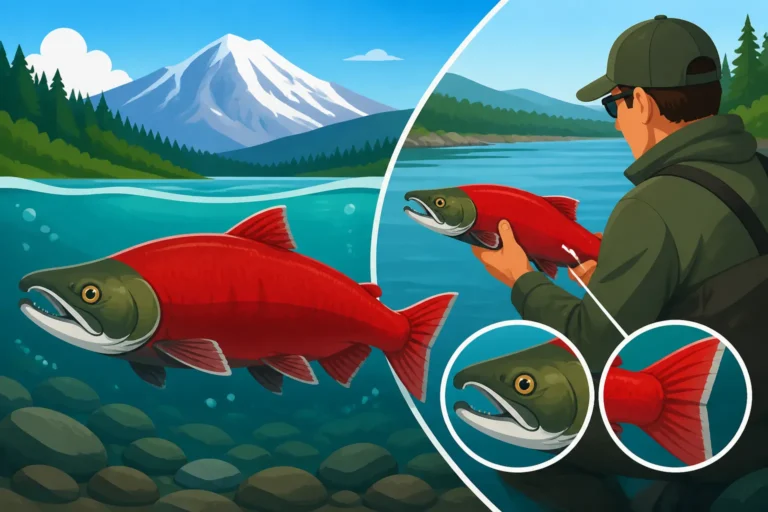
Coho salmon, for example, can grow to impressive sizes, particularly during strong return years, sometimes reaching well into the 20-pound range. However, even a large coho typically won't rival the girth and overall bulk of a trophy Chinook. Key identifiers for Chinook include their dark mouth (gums and tongue), which is usually entirely black, and distinct spotting on both lobes of their tail fin. Coho, by contrast, usually have white gums and spots primarily on the upper lobe of their tail. Recognizing these differences is part of being a responsible angler, and you can find more detailed information in our guide How to Tell a Chinook From a Coho.
Another consideration is the potential for chum or even a very large sockeye, though these rarely approach Chinook size. Chum salmon, also known as "dog salmon," can grow large and develop striking barred patterns when they enter freshwater, but their body shape is typically more slender, and they lack the distinct spotting of a Chinook. Sockeye, while beautiful, are generally smaller and more streamlined. Having a good field guide, perhaps one purchased from Amazon, or a laminated identification chart handy can be invaluable when you're trying to quickly and accurately identify your catch, particularly when dealing with varying Daily Limit for Chinook in Puget Sound regulations.
Strategies for Targeting Washington's Largest Chinook
If your goal is to land one of Washington's truly gargantuan Chinook, you'll need to approach your fishing with a specific mindset and strategy. It's not just about luck; it's about preparation, location, and technique.
One of the primary strategies for targeting large Chinook involves focusing on areas where these fish are actively feeding or are still fresh from the ocean. This often means fishing in marine areas of Puget Sound, Grays Harbor, Willapa Bay, or at the mouth of the Columbia River (like the famous Buoy 10 fishery) during peak seasons. In these areas, Chinook are less concerned with spawning and more focused on building energy reserves, making them more likely to strike at well-presented bait or lures. Many anglers use heavy-duty gear and advanced techniques like Trolling for Salmon in Washington's Puget Sound with large herring or artificial lures to entice these powerful fish.
Choosing the right gear is non-negotiable. For trophy Chinook, you'll want a rod with plenty of backbone, capable of handling heavy weights and powerful runs. Pair this with a robust reel spooled with high-test braided line, often topped with a fluorocarbon leader for stealth and abrasion resistance. Think 30-50 pound mainlines and leaders of 25-40 pounds, especially if you're fishing near structure. Lures should be sizable—large spoons, plugs, or whole baitfish like herring or anchovies, often fished with a flasher to attract attention. Always check the current Washington Fishing Regulations Every Angler Should Know for specific gear requirements, such as barbless hooks in certain areas. Investing in quality equipment from reputable brands, easily found on platforms like Amazon, is a key step in preparing for that battle with a King.
Finally, patience and persistence are your greatest allies. Targeting trophy fish is often a game of many hours, sometimes many days, for that one incredible hook-up. These fish are not only less numerous, but they can also be incredibly finicky. Learning to read the water, understand tidal influences, and adapt your presentation are all crucial skills. Don't be discouraged by slow days; the reward of hooking into a true Washington King is worth every moment of effort.
| Chinook Salmon Characteristics | Typical Range (Recreational) | Trophy Size (Washington) | Washington State Record | Key Identifiers |
|---|---|---|---|---|
| Weight | 8 – 40 lbs | 40 – 60+ lbs | 70 lbs, 8 oz | Dark (black) mouth, distinct spots on both upper and lower tail lobes, robust body, often deepest from dorsal fin forward. |
| Length | 25 – 45 inches | 45 – 55+ inches | Not officially recorded, estimated over 60 inches | Large, torpedo-shaped body. |
| Age at Return | 2-7 years (typically 3-5) | 5-7 years | N/A | Older fish generally equate to larger size. |
| Ocean Color | Chrome, silver | Chrome, silver | N/A | Brighter, more vibrant color indicates a fresher, ocean-run fish with higher fat content and overall weight. |
| River Color | Darkens to olive, red, brown | Darkens to olive, red, brown | N/A | As fish progress upstream, they stop feeding, and their coloration changes as they prepare for spawning, and they start to lose body mass. |
Disclaimer
This article is for general informational purposes only and does not constitute professional advice. Laws, prices and regulations vary by location and change over time. Consult a qualified professional for guidance on your specific situation.