How to Find a Fly Fishing Guide in Washington
Heading out to the rivers and lakes of Washington State with a fly rod is a dream for many, but the sheer size and diversity of our waters can feel overwhelming when you're trying to figure out where to go and what to do. It’s a common frustration to stand on a riverbank, rod in hand, and feel completely lost, wishing you had someone to show you the ropes. This guide is here to help you cut through that confusion and connect you with a knowledgeable fly fishing guide who can unlock the secrets of Washington's incredible fisheries.
Why a Fly Fishing Guide is a Game Changer in Washington
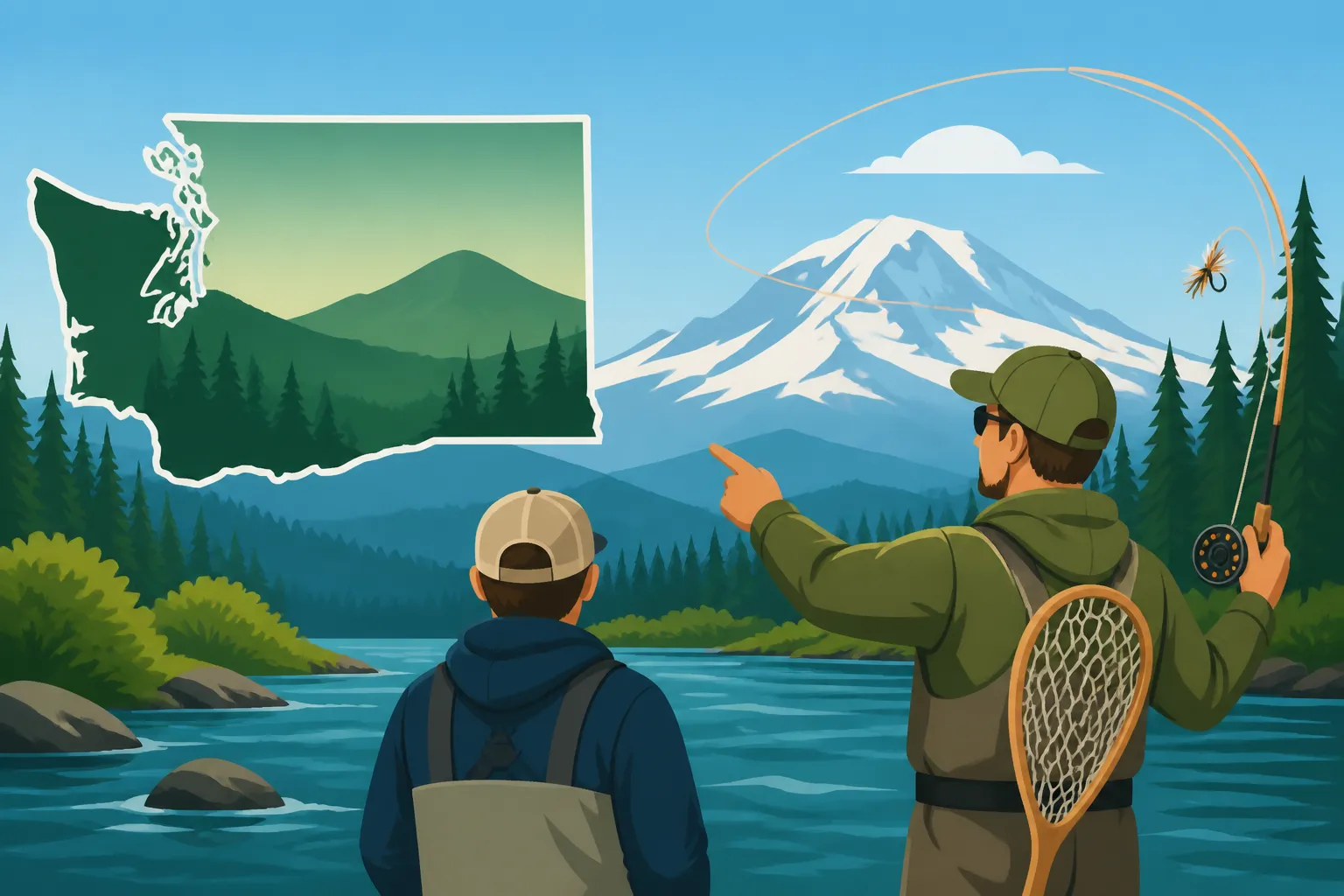
Let’s be honest, Washington State is massive, and its fishing opportunities are incredibly varied. From the broad, powerful Columbia River to the intricate Olympic Peninsula watersheds and the countless high-mountain lakes, each body of water presents its own unique challenges and rewards. Trying to master it all on your own can lead to a lot of wasted time and frustration. This is precisely where a good fly fishing guide becomes an invaluable asset, transforming a potentially confusing trip into an educational and successful adventure.
Unlocking Local Knowledge and Water Secrets
One of the biggest advantages of hiring a fly fishing guide is tapping into their deep reservoir of local knowledge. These folks spend countless days on the water, observing patterns, understanding the subtle nuances of currents, and tracking fish movements. They know exactly where the fish are likely to be holding at any given time, whether it's a specific seam in a fast-moving river, a deep pool where steelhead might be resting, or a quiet back eddy favored by trout.
Consider fishing a river like the Yakima. Its complex riffles and runs change with the seasons and water levels. A seasoned guide isn't just taking you to a "spot"; they're reading the water, understanding how the current brings food to the fish, and putting you in the best possible position. They'll tell you which specific fly patterns are working right now, not just what was hot last month. This kind of hyper-local, real-time insight is nearly impossible to gain without years of personal experience, and it can mean the difference between a day of casting practice and a day of tight lines.
Mastering Specific Techniques for Washington Waters
Fly fishing isn't a one-size-fits-all sport, especially in a state as diverse as Washington. The techniques required to catch trout in a high-mountain lake are vastly different from those needed to target a chromer steelhead on a coastal river. A professional guide will not only put you on fish but will also teach you the specialized techniques that are most effective for the local conditions and target species.
For instance, if you're dreaming of swinging flies for wild steelhead on an Olympic Peninsula river, a guide specializing in Fly Fishing Techniques for Winter Steelhead in Washington or Spey Casting in Washington and Who Should Try It can teach you the intricacies of two-handed casting. If your goal is to land some hefty rainbow trout on the Yakima, they might focus on teaching you advanced Nymphing for Trout on Washington's Yakima River strategies, showing you how to read indicators and achieve the perfect drift. They’ll correct your casting, help you present your fly naturally, and offer insights into entomology and fish behavior that will elevate your skills long after the trip is over. It’s an investment in your fly fishing education, not just a day on the water.
Gear, Safety, and Hassle-Free Fishing
Let’s face it, accumulating all the necessary fly fishing gear can be a significant expense, especially when you're just starting out or exploring new types of fishing. Waders, boots, rods, reels, lines, leaders, tippet, and a seemingly endless array of flies – it adds up quickly. A guide typically provides all the necessary high-quality gear, perfectly matched to the conditions and target species. This means you don't have to buy a specialized spey rod for one trip or a specific set of heavy nymphs you might never use again.
Beyond the gear, a guide ensures your safety on unfamiliar waters. They know the safe wading paths, how to navigate swift currents, and what to do in rapidly changing weather conditions, which are common in Washington. They handle the boat if you’re floating, allowing you to focus purely on fishing. Plus, they're often equipped with first aid and emergency communication, giving you peace of mind. All of this combines to create a hassle-free experience where you can simply show up, learn, and enjoy the beauty of Washington's outdoors.
Where to Begin Your Search for a Washington Fly Fishing Guide
Finding the right fly fishing guide in Washington can feel like looking for a needle in a haystack, especially with so many incredible rivers, lakes, and coastal areas to choose from. But with a strategic approach, you can narrow down your options and find the perfect match for your angling aspirations. It’s all about knowing where to look and what resources are available.
Online Resources and Booking Platforms
In today's digital age, the internet is often the first stop for finding anything, and fly fishing guides are no exception. A quick search for "Washington fly fishing guides" will yield numerous results, but it’s important to sift through them effectively. Many independent guides have their own websites, showcasing their specialties, available dates, and testimonials. These sites can be a goldmine of information, often featuring detailed reports on current river conditions or specific techniques.
Beyond individual guide websites, larger booking platforms have emerged that consolidate listings from many guides. Websites like FishingBooker are excellent for this purpose, allowing you to filter by location, target species, and even specific types of fishing, such as fly fishing. These platforms often feature comprehensive profiles for each guide, including their experience, photos of past catches, and, crucially, reviews from previous clients. Reading these reviews is paramount, as they provide real-world insights into a guide's personality, teaching style, and success rates. Pay attention to comments about their patience, local knowledge, and overall professionalism. When checking for How to Vet a Washington Fishing Guide, these platforms provide a great starting point.
Local Fly Shops and Word-of-Mouth
While online resources are powerful, there's still no substitute for local knowledge, especially in the tight-knit fly fishing community. Local fly shops are often the heartbeat of an angling region. If you're planning a trip to a specific area – say, the Methow Valley for trout or Forks for steelhead – call or visit a fly shop in that town. The people working there are usually avid anglers themselves, and they often know the best local guides personally. Many guides even work directly out of these shops or have close relationships with them.
Word-of-mouth recommendations are also incredibly valuable. Talk to other fly anglers you know who have fished in Washington. They can offer firsthand accounts of guides they’ve used or heard about. Online fly fishing forums and social media groups dedicated to Washington angling can also be great places to ask for recommendations. People are often eager to share positive experiences and steer you away from less-than-ideal ones. This personal connection can lead you to a guide who truly aligns with your fishing style and personality.
Targeting Specific Rivers or Species
Washington is a fly angler’s paradise because of its incredible diversity of fish species and aquatic environments. To truly narrow down your search, consider what kind of fly fishing experience you're after. Are you looking for Rainbow Trout Fishing in Washington in a small, intimate stream, or are you hoping to challenge yourself against a powerful salmon on a big river? The more specific you can be, the easier it will be to find a guide who specializes in that exact niche.
For example, if your heart is set on catching summer steelhead, you'd want to look for guides who specifically advertise trips on rivers known for their summer runs, such as the Olympic Peninsula rivers or portions of the Columbia River system. If it's trophy lake trout (Mackinaw) on Lake Chelan you’re after, you’ll need a guide with specialized knowledge of deepwater fly fishing techniques. Different guides often have different areas of expertise and favorite waters. Don’t hesitate to ask a potential guide, "Do you specialize in Dry Fly Fishing Washington's Rivers for trout or are you more focused on big salmon?" This helps ensure they're the right fit for your specific angling goals.
Key Questions to Ask Before Booking Your Fly Fishing Guide
Once you've identified a few potential fly fishing guides, the next crucial step is to engage them in conversation. This isn't just about checking their availability; it's about making sure they're the right fit for you and your angling adventure. Asking the right questions upfront can save you from misunderstandings and ensure you have the best possible experience on the water.
Experience and Specialization
You want a guide who is not only proficient but also deeply knowledgeable about the waters and species you intend to pursue. Don't be shy about asking about their background. How long have they been guiding in Washington, and specifically on the river or lake you're interested in? Some guides might be excellent all-around anglers, but others truly specialize. For instance, some guides focus exclusively on Fly Fishing Washington's Rivers and Lakes for trout, while others are renowned for their expertise in targeting salmon or steelhead.
Ask about their preferred techniques. Are they primarily a nymphing guide, or do they excel at teaching Dry Fly Fishing Washington's Rivers? If you're interested in spey casting, make sure they are experienced and comfortable teaching Spey Casting in Washington and Who Should Try It. It’s also wise to inquire about their philosophy on catch-and-release, especially if you're targeting sensitive species like wild steelhead. Understanding their approach to conservation and fish handling is important, especially when navigating Catch-and-Release Rules During Wild Steelhead Closures. You want a guide whose values align with yours.
Logistics and Inclusions
Clarity on the practical aspects of your trip is essential to avoid any surprises. Start by confirming what the guiding fee includes. Does it cover all necessary gear, such as rods, reels, and flies? Will lunch and beverages be provided? What about transportation to and from the river? These details can significantly impact the overall cost and convenience of your trip.
Perhaps most importantly, confirm what you, the client, are responsible for. This almost always includes your fishing license and, if applicable, a The Washington Catch Record Card and What It Requires. Don't assume the guide will handle these; it's legally your responsibility. Inquire about the group size—how many anglers will be in the boat or fishing alongside the guide? This impacts the amount of personalized instruction you'll receive. Finally, understand their Cancellation Policies for Washington Charters in case of unforeseen circumstances like adverse weather, as well as their policy if you need to reschedule. Getting these answers ensures everyone is on the same page.
Checking References and Reviews
While a guide's personal pitch is important, independent verification provides invaluable peace of mind. Ask if they can provide references from recent clients, particularly those who have fished with them under similar conditions or for the same species you're targeting. A reputable guide will usually be happy to connect you with past clients who can share their experiences.
Beyond direct references, take the time to scour online review platforms. Websites like FishingBooker are excellent resources for aggregated reviews. Look for consistent themes in positive feedback – are clients praising their teaching ability, their patience, their knowledge of the water, or their overall professionalism? Conversely, pay attention to any recurring negative comments. While a single bad review can happen to anyone, a pattern might indicate an issue. Social media groups and forums dedicated to Washington fly fishing can also offer informal insights and discussions about various guides. This due diligence helps you confirm that the guide you’re considering has a solid track record and a reputation for delivering great experiences.
Making the Most of Your Guided Fly Fishing Experience
Hiring a fly fishing guide in Washington is an investment in an experience, a learning opportunity, and hopefully, a successful day on the water. To truly maximize that investment and ensure you walk away with not just fish stories but also enhanced skills and memories, a little preparation and the right mindset go a long way.
Preparation is Key
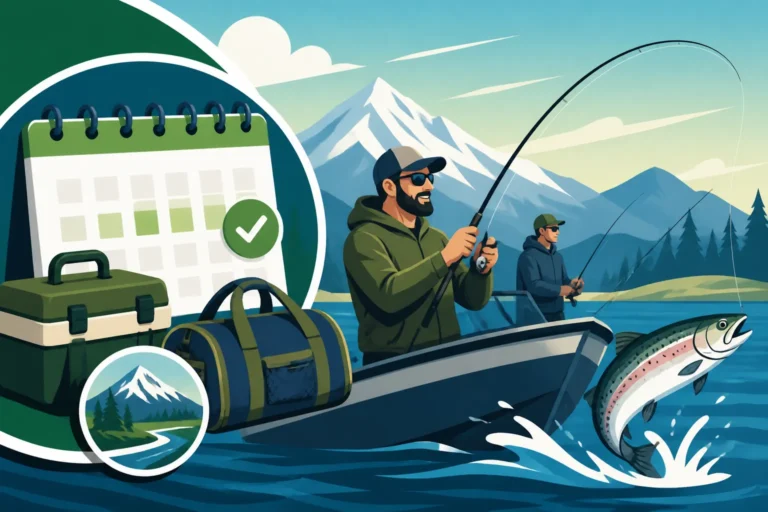
Your guide is there to facilitate a fantastic trip, but your own preparation can significantly contribute to its success. First and foremost, secure your Washington fishing license well in advance. For salmon and steelhead, you'll also need a The Washington Catch Record Card and What It Requires. These are your responsibility, not the guide's, and you won't be able to fish without them. Many guides recommend purchasing these online through the Washington Department of Fish and Wildlife website before your trip to save time.
Next, consider what you'll wear and bring. Washington weather is famously unpredictable, especially in the mountains or along the coast. Layers are always a good idea. Think moisture-wicking base layers, a warm fleece or puffy jacket, and crucially, reliable rain gear. Even on a sunny forecast, a sudden shower can blow in. Ask your guide if you need Rain Gear You Need for Winter Steelheading specifically. Other essentials might include polarized sunglasses (critical for spotting fish and protecting your eyes), a hat, sunscreen, and any personal medications. It’s always best to ask your guide directly for a recommended packing list; they know the local conditions best. Also, don't forget to communicate your expectations and skill level beforehand. Are you a complete beginner, or do you have some experience but want to learn new techniques? This helps the guide tailor the day to your needs.
Embrace the Learning Opportunity
Think of your guided trip not just as a fishing excursion, but as a hands-on masterclass. A great fly fishing guide is an exceptional teacher. Be open to their instruction, even if it contradicts something you thought you knew. They are intimately familiar with the specific water you’re on, its currents, its fish, and the most effective presentations. They’ll likely show you how to mend your line more effectively, read water more accurately, or present a fly in a way you hadn't considered.
Ask questions! Don't be afraid to inquire why they chose a particular fly, what they're looking for when they cast into a certain seam, or how they interpret a fish's take. Observe their techniques closely. Practice the casting adjustments they suggest, and pay attention to how they handle fish safely and efficiently. The knowledge you gain from a good guide can dramatically improve your angling abilities for years to come, making all your future solo trips more successful.
Etiquette and Expectations
Understanding proper fishing guide etiquette helps foster a positive atmosphere for everyone. Tipping your guide is customary and highly appreciated, reflecting their hard work, expertise, and dedication. Generally, a tip of 15-20% of the trip's cost is standard for excellent service, though you should always adjust based on your personal experience. For more detailed information, check out Tipping Etiquette for Washington Fishing Guides.
It's also important to manage your expectations. While guides work incredibly hard to put you on fish, fishing success is never guaranteed. There are simply too many variables: weather, water conditions, fish mood, and even your own casting skills. A good guide will provide an incredible learning experience and put you in the best possible position for success, but they cannot control the fish. Focus on enjoying the process, the beautiful Washington scenery, and the chance to learn from an expert. The memories, the knowledge gained, and the sheer joy of being out on the water often far outweigh the number of fish caught.
Disclaimer
This article is for general informational purposes only and does not constitute professional advice. Laws, prices and regulations vary by location and change over time. Consult a qualified professional for guidance on your specific situation.