Fishing the Elwha River in Washington After Dam Removal
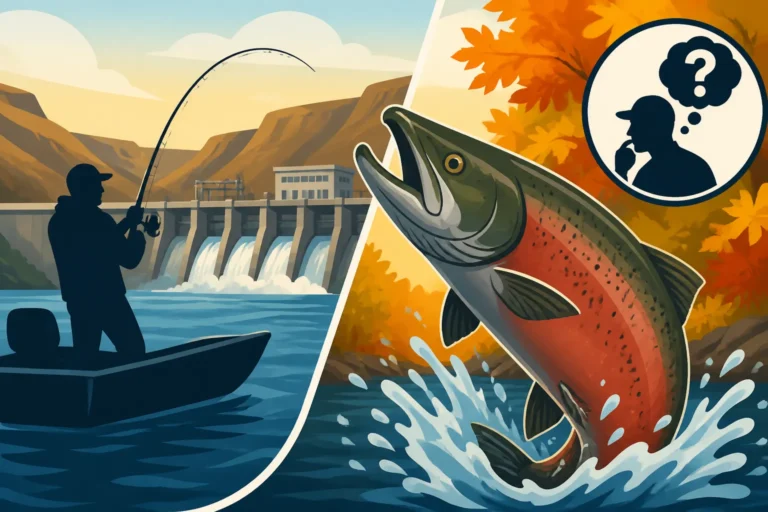
For anglers on Washington’s Olympic Peninsula, the dream of a fully wild, free-flowing river teeming with salmon and steelhead has long been a distant hope, especially for a system as historically important as the Elwha. The reality of dams blocking fish passage for generations has been a source of deep frustration, cutting off access to vital spawning grounds and drastically altering the river's ecosystem. This guide is here to walk you through the incredible changes on the Elwha River since its dams were removed, what that means for fishing opportunities, and how you can experience this recovering natural wonder respectfully and successfully.
The Elwha River's Incredible Transformation
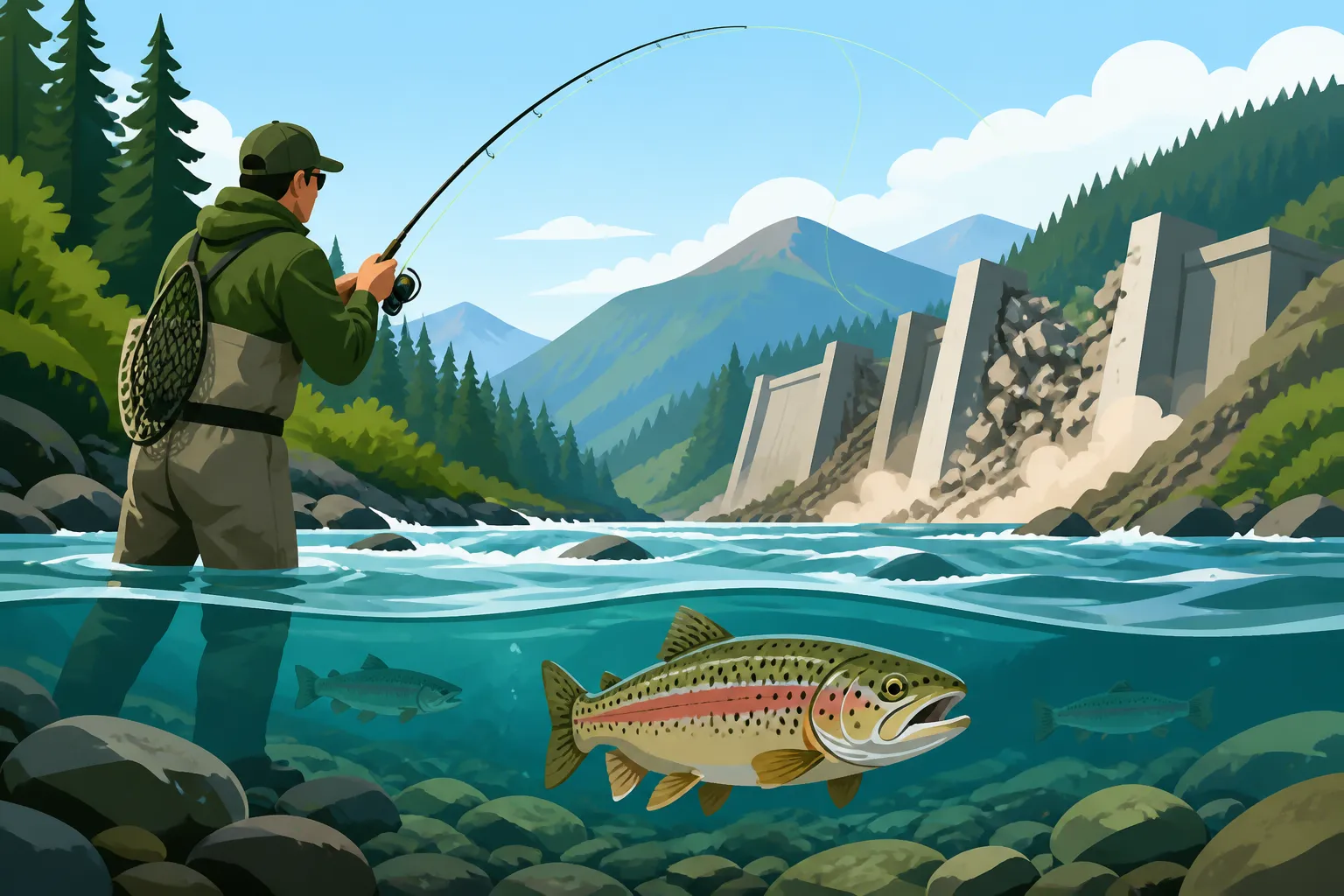
The story of the Elwha River isn't just about fishing; it's a monumental tale of ecological restoration, a true David and Goliath struggle where nature, with a little help from dedicated people, triumphed. For over a century, two major dams, the Elwha Dam and the Glines Canyon Dam, choked the life out of this once-prolific river, blocking the passage of anadromous fish and altering sediment flow. Their removal marked a historic moment, the largest dam removal project in U.S. history, and set the stage for an unprecedented environmental rebound.
A River Unleashed: The Story of Dam Removal
Imagine a river, once vibrant and pulsing with life, silenced and segmented by concrete walls. That was the Elwha for generations. The Elwha Dam, built in 1910, was a mere 108 feet tall, but it was an impassable barrier for migrating salmon just 4.9 miles from the Puget Sound. Further upstream, the 210-foot Glines Canyon Dam, completed in 1927, compounded the problem, creating a second, even higher hurdle. These dams were built for hydropower, but at a tremendous cost to the river's natural processes and its incredible fish runs. Local tribes, particularly the Lower Elwha Klallam Tribe, fought for decades to restore their ancestral waters, seeing the dams not just as physical barriers but as an affront to their culture and heritage. The battle was long and arduous, spanning over 90 years, but eventually, the voices for restoration won out. The actual dam removal began in 2011 and concluded in 2014, a massive undertaking that involved carefully deconstructing the concrete structures and allowing the river to flow freely for the first time in over a century.
The Ecosystem's Resurgence: What Happened Next
The immediate aftermath of dam removal was, understandably, a bit chaotic. Millions of cubic yards of sediment, which had been trapped behind the dams for decades, were released downstream. This changed the river's appearance dramatically, but it was a necessary cleansing process, bringing new life to downstream areas, replenishing beaches, and reshaping the riverbed into a more natural, complex habitat. What followed has been nothing short of miraculous. Scientists and local communities have observed incredible changes:
- Sediment Redistribution: Beaches at the river mouth, once eroding, began to rebuild, creating new foraging grounds for birds and marine life.
- Vegetation Growth: Exposed reservoir beds quickly greened with native plants, stabilizing the soil and providing new habitat.
- Insect and Wildlife Explosion: The returning health of the river's aquatic insect life provided a booming food source, attracting a wider array of birds, mammals, and amphibians. Otters, eagles, and even bears have been observed returning to newly accessible stretches of the river, drawn by the recovering fish populations. This incredible resurgence has turned the Elwha into a living laboratory, demonstrating the profound resilience of nature when given a chance.
Fish Species Making a Comeback in the Elwha
The most exciting part of the Elwha's restoration for anglers, of course, is the return of its anadromous fish. Before the dams, the Elwha was a legendary salmon and steelhead river, supporting all five species of Pacific salmon and robust runs of steelhead. The dams decimated these runs, limiting them to the few miles below the lower dam. Now, with the river free, these iconic species are finding their way back to hundreds of miles of pristine spawning and rearing habitat that they haven't seen in generations.
Salmon and Steelhead Returns: A Miraculous Recovery
The early returns have exceeded many expectations, a powerful testament to the fish's instinctual drive and the quality of the newly accessible habitat. All five species of Pacific salmon – Chinook, coho, chum, pink, and sockeye – have been documented returning to the upper reaches of the Elwha River, navigating rapids and obstacles to reach prime spawning grounds that were once cut off.
- Chinook Salmon: Often called the "King Salmon," Chinook Salmon: Washington's King of Fish were historically the most abundant species in the Elwha, and their return is a key indicator of the river's health. They're making strong pushes deep into the watershed, establishing new spawning redds in areas that haven't seen them in over a century.
- Coho Salmon: These acrobatic fighters, known for their aggressive bites, have also shown remarkable recovery. Their numbers are steadily increasing, and they are exploring new tributaries.
- Steelhead: Steelhead: Washington's Ocean-Run Rainbow Trout are a jewel of the Pacific Northwest, and their comeback in the Elwha is particularly thrilling. Both winter and summer steelhead runs are being observed pushing far upriver, with wild steelhead populations showing promising signs of recovery. Given the river's sensitive state, rules like Catch-and-Release Rules During Wild Steelhead Closures and Wild Steelhead Release Rules on Washington's Olympic Peninsula Rivers are paramount to support their continued rebound.
It's important to remember that while the recovery is strong, it's a long-term process. Each year brings new observations and deeper insights into how the fish are utilizing their expanded habitat. This isn't just a recovery; it's a re-colonization, a true ecological marvel unfolding before our eyes.
Other Native Fish: Trout and Char Populations
Beyond the glamour of salmon and steelhead, the Elwha is also home to a variety of resident fish species that have benefited immensely from the dam removals. The changes in water quality, sediment transport, and habitat complexity have created a more robust and diverse environment for these populations.
- Coastal Cutthroat Trout: These beautiful trout, some of which are sea-run, are thriving in the newly accessible sections of the river. Their populations are naturally expanding as they take advantage of the increased food sources and varied stream conditions. They are often targeted by fly anglers.
- Dolly Varden/Bull Trout: These native char are apex predators in the Elwha system. While specific regulations are often in place due to their protected status, their presence indicates a healthy, functioning ecosystem. They benefit from the colder, clearer waters and the abundance of forage fish.
- Resident Rainbow Trout: Even above the former dam sites, where fish were landlocked for decades, rainbow trout populations adapted and survived. Now, with the anadromous runs returning, these fish interact with their ocean-going cousins, further enriching the river's biodiversity.
The re-establishment of these populations underscores the overall health of the river. When you're fishing the Elwha, it's not just about what you might catch, but about being present in a truly unique and resilient natural system.
Navigating Elwha River Fishing Regulations
Fishing on the Elwha River comes with a unique set of responsibilities and regulations, a reflection of its incredible recovery status. Unlike many other rivers, the Elwha is currently managed with a strong emphasis on protection to ensure the long-term success of its recovering fish populations. This means that rules are often more stringent, and understanding them before you go is not just good practice, it's essential for the river's future. It's not uncommon for anglers to feel a bit overwhelmed by the specifics, but knowing you're contributing to a historic restoration makes it all worthwhile.
Catch-and-Release Rules and Special Gear Restrictions
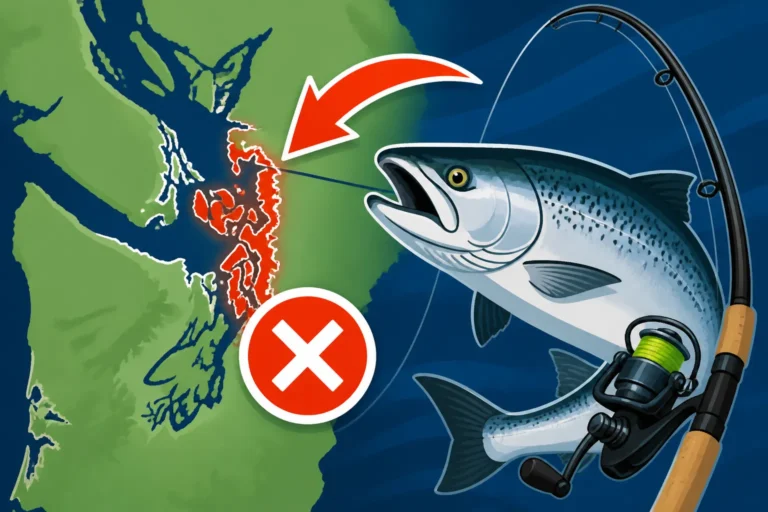
For many years after dam removal, the Elwha River was entirely closed to fishing to allow for maximum recovery. While certain sections and species have since opened, the primary rule for most anadromous fish on the Elwha remains strictly catch-and-release, often with specific gear restrictions to minimize harm to the fish.
- Catch-and-Release Only: This means all salmon and steelhead must be immediately released unharmed. The goal is to maximize the number of returning fish that can spawn and contribute to future generations. This is especially true for the vital Wild Steelhead Gene Bank Rivers, Explained which the Elwha is part of.
- Barbless Hooks are Mandatory: To facilitate easy and clean release, barbless hooks are almost universally required. This minimizes tissue damage and stress on the fish. Check the current regulations for specific hook configurations, as some areas may even restrict treble hooks.
- No Bait: In many catch-and-release fisheries, especially for wild populations, the use of bait (such as roe, worms, or even scented soft plastics) is prohibited. Bait can lead to fish swallowing the hook, resulting in higher mortality rates, even if released. Artificial lures and flies are generally permitted, provided they meet hook requirements.
- Single-Point Hooks: Often, only single-point hooks are allowed, further reducing the chance of snagging or foul-hooking fish, which can be a serious issue in high-density areas.
Always, always consult the most current Washington Department of Fish and Wildlife (WDFW) regulations pamphlet or their website before heading out. Rules can change frequently based on run forecasts and recovery assessments. You can find general information in a guide like Washington Fishing Regulations Every Angler Should Know.
The Importance of Protecting Recovering Stocks
The Elwha's story is one of hope, but the recovery is still fragile. Every fish that successfully spawns contributes invaluable genetic material and numbers to rebuilding populations that were severely depleted for over a century. This is why angler behavior is so critical.
- Minimize Handling: When you catch a fish, keep it in the water as much as possible. Avoid dragging it onto the bank or into your boat. If you need a photo, do it quickly with the fish partially submerged.
- Wet Hands Only: Always wet your hands before touching a fish. Dry hands can remove the fish's protective slime layer, making it vulnerable to disease.
- Proper Release Techniques: Use needle-nose pliers or a hemostat to quickly remove the hook. If the hook is deeply embedded, cut the line as close to the hook as possible rather than tearing the fish's mouth. Allow the fish to recover in the current, holding it gently until it swims away under its own power.
- Avoid Spawning Beds: During spawning seasons, identifiable redds (nests of eggs) should be avoided. Wading through them can destroy eggs and disrupt spawning activity.
Respecting these guidelines isn't just about avoiding a fine; it's about being an active participant in one of the most significant conservation success stories of our time.
Accessing the River: Permits and Public Lands
The Elwha River flows primarily through Olympic National Park, which means specific rules and permits apply to recreational activities, including fishing. This adds another layer to planning your trip, but it's crucial for managing visitor impact on this sensitive ecosystem.
| Requirement/Area | Details | Key Considerations |
|---|---|---|
| Olympic National Park | Most of the Elwha River is within park boundaries. | National Park Entrance Pass required. |
| Fishing Permit | Separate permit required in addition to your state fishing license. | Obtainable online or at park visitor centers. Valid for one year. |
| State Fishing License | A valid Washington freshwater fishing license is always required. | Needed for all fishing in Washington, including within ONP. |
| Catch Record Card | May be required for certain species, even if catch-and-release. | Check current regulations; When a Catch Record Card Is Required in Washington |
| Designated Access Points | Stick to established trails and access points to protect fragile banks. | Some areas may be closed to protect spawning fish or habitat. |
| Wilderness Areas | Some upper reaches are designated wilderness, requiring a wilderness permit. | If backpacking far upriver, check wilderness permit requirements. |
Before you go, confirm current access rules, as some areas might be temporarily closed for restoration work or to protect sensitive spawning areas. The Olympic National Park website is your best resource for specific permit information and up-to-date access restrictions. Remember, even if you have a Washington Fishing License Guide for Nonresidents, you'll still need that additional park permit.
Best Practices for Fishing the Elwha
Fishing the Elwha is a privilege, and approaching it with the right mindset and techniques will not only increase your chances of success but also ensure you're contributing to the river's long-term health. Because it's a recovering system, "best practices" here lean heavily into ethical angling and minimizing disturbance. This is not a river to be fished aggressively or carelessly; it demands a thoughtful, respectful approach.
Recommended Gear and Tackle for Sensitive Fisheries
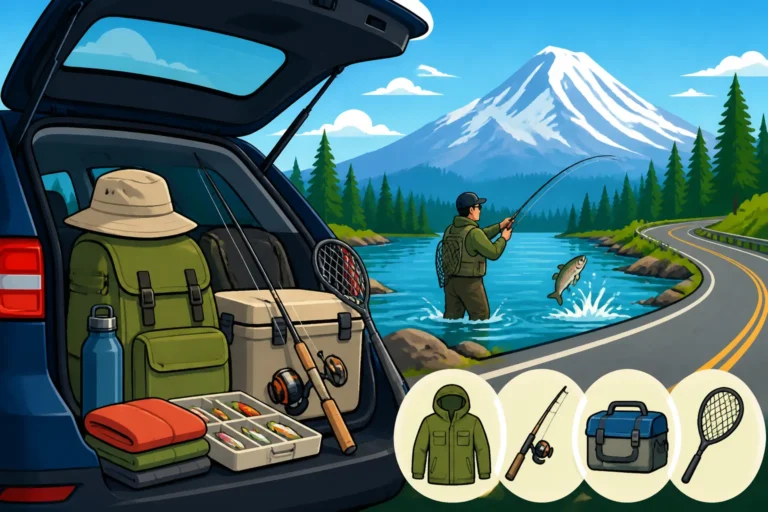
Choosing your gear wisely is paramount on the Elwha. Since catch-and-release is the norm and protecting the fish is the priority, your tackle should be geared towards quick hook-sets, strong but forgiving enough to land fish efficiently, and designed for minimal harm.
- Rods: A medium-heavy spinning or casting rod, typically 8.5 to 10.5 feet in length, is ideal for steelhead and salmon. This length helps with line control, mending, and absorbing powerful runs. For trout, a lighter 6-8 weight fly rod or a light action spinning rod would be more appropriate.
- Reels: Choose a reel with a smooth, reliable drag system. This is crucial for fighting powerful fish on lighter lines and preventing break-offs, which can leave hooks in fish.
- Line: Opt for a main line of 15-20 lb braided line for salmon and steelhead, with a fluorocarbon leader of 10-15 lb test. Fluorocarbon is less visible in clear water and more abrasion-resistant. For trout, lighter leaders are essential.
- Hooks: As mentioned, barbless, single-point hooks are mandatory for virtually all anadromous species. Carry a variety of sizes to match your lures or flies.
- Landing Net: A rubberized, knotless landing net is highly recommended. These nets are much gentler on fish scales and slime coats, reducing injury during landing and handling.
- Pliers/Hemostats: Essential for quick, easy, and safe hook removal.
- Waders and Boots: Given the varied terrain, reliable chest waders and wading boots with good traction are a must for navigating the river. Felt soles are often preferred for slippery river rock, but cleated boots can also provide excellent grip.
Remember, the goal is to land the fish quickly, release it gently, and leave no trace of your presence. Investing in quality gear designed for ethical angling is a key part of fishing this special river.
Effective Techniques for Elwha Salmon and Steelhead
While the Elwha is still under strict regulations, various fishing techniques can be effective for targeting the returning salmon and steelhead, all while adhering to the catch-and-release ethos.
- Drift Fishing: This is a highly popular and effective method for steelhead and salmon in Washington rivers, and it's well-suited for the Elwha, provided bait restrictions are followed. Using artificial baits like drift bobbers, colored beads (simulating roe), or yarn ties, you let your presentation drift naturally with the current. This mimics natural food sources and allows you to cover water efficiently. You can learn more about Drift Fishing for Steelhead in Washington Rivers in another one of our guides.
- Spoon and Spinner Fishing: Casting and retrieving spoons or spinners can be very effective, especially for aggressive salmon and steelhead that react to flash and vibration. Choose appropriate sizes and colors for water clarity and depth. Make sure your lures are rigged with a single, barbless hook.
- Fly Fishing: The Elwha is a fantastic river for fly anglers, offering opportunities for both trout and anadromous species. For salmon and steelhead, swinging large intruder-style flies or traditional steelhead patterns can be deadly. Nymphing with stonefly or caddisfly imitations works well for trout. Fly Fishing Washington's Rivers and Lakes can provide a great general overview for getting started. When targeting larger species with a fly rod, ensure you have a rod that can handle the fight without over-stressing the fish.
- Mooching (Limited): While typically a saltwater technique, in certain slower, deeper pools, a form of "mooching" with artificial lures might be effective, though drift fishing or jigging are generally more prevalent in river systems like the Elwha. Always prioritize natural presentation and minimal disturbance.
Whatever technique you choose, remember that patience and subtlety are often rewarded on a recovering river like the Elwha. Observe the water, look for holding lies and current breaks, and approach your fishing with a light footprint.
Practicing Leave No Trace and Ethical Angling
The Elwha River is a symbol of restoration, and every visitor has a responsibility to uphold its recovering wilderness character. Practicing Leave No Trace principles and ethical angling is not just encouraged; it's fundamental to preserving this special place for generations to come.
- Pack It In, Pack It Out: Everything you bring with you, including trash, discarded fishing line, and food wrappers, must leave with you. Do not litter.
- Stay on Trails: Where established trails exist, use them. Avoid trampling fragile riparian vegetation or disturbing nesting wildlife by creating new paths.
- Respect Wildlife: Observe wildlife from a distance and never harass or feed animals. This includes giving spawning fish a wide berth.
- Minimize Campfire Impact: If fires are permitted, use established fire rings and keep fires small. Better yet, use a stove for cooking. Check fire restrictions, especially during dry seasons.
- Be Considerate of Others: The Elwha is a popular destination for anglers, hikers, and kayakers. Be respectful of other users and share the river.
- Report Violations: If you witness illegal fishing activity or environmental damage, report it to Olympic National Park Rangers or WDFW enforcement. This is part of being a responsible steward.
The Elwha's unique status means that your actions as an angler have a direct impact on the ongoing recovery. By adhering to these principles, you become a part of the solution, ensuring the river continues its journey back to its former glory.
Planning Your Trip to the Elwha River
Visiting the Elwha River requires a bit more planning than your average fishing trip, but the rewards are immense. Understanding the seasonal nuances, knowing where to stay, and considering whether a guide is right for you will make your experience much smoother and more enjoyable. The Olympic Peninsula offers a stunning backdrop to your adventure, and experiencing the Elwha firsthand is truly a unique opportunity in Washington fishing.
When to Visit: Seasonal Considerations
The Elwha, being a river with returning anadromous fish, has distinct seasons where various species are present. However, given its ongoing recovery and protected status, openings and regulations are highly variable and subject to change. Always consult the current WDFW regulations and Olympic National Park rules before firming up your plans.
- Spring (March – May): Often sees the tail end of winter steelhead runs and the arrival of some early spring Chinook. Water levels can be high from snowmelt. Trout fishing may pick up as water temperatures rise.
- Summer (June – August): Historically, summer steelhead would be present, along with early coho and pink salmon (in odd years). This is generally a beautiful time to be on the Olympic Peninsula, but specific fishing opportunities might be limited due to low water and strong conservation measures.
- Fall (September – November): This is typically prime time for salmon, with coho, chum, and fall Chinook making strong pushes upstream. This is also when some of the most visible spawning activity occurs, making it a critical time for respectful angling and observation.
- Winter (December – February): Winter steelhead are the main draw. These powerful fish offer a challenging and rewarding experience, though cold weather and high, murky water can make conditions tough.
Remember that while certain species return during these windows, strict regulations may still keep certain areas or species closed to fishing to aid recovery. It's truly a fishery where checking the rules just before your trip is non-negotiable.
Finding Access Points and Accommodation
Most of the fishable water on the Elwha River is located within Olympic National Park, which influences where you can access the river and where you can stay.
- Access Points:
- Lower River (below former Elwha Dam site): Easily accessible from Olympic Hot Springs Road, just west of Port Angeles. Several pull-offs and short trails lead to the river. This area sees the first wave of returning fish.
- Mid-River (between former dam sites): The area where the Glines Canyon Dam once stood is now part of the Olympic Hot Springs Road network. Hiking trails along the river offer access to various stretches.
- Upper River (above former Glines Canyon Dam site): Access to the wilderness areas further upstream typically requires longer hikes. Check with the park for specific trailheads and wilderness permit requirements if you plan to venture far into the backcountry.
- Accommodation:
- Camping: Olympic National Park offers several campgrounds, including Elwha Campground (reopened after extensive flood damage) and Altaire Campground, both near the lower river. Reservations are recommended, especially during peak season.
- Hotels/Motels: The nearby city of Port Angeles, just a short drive from the lower Elwha, offers a full range of accommodations, dining, and supplies. This is often the most convenient base camp for Elwha adventures.
- Cabins/Vacation Rentals: Options for private rentals are available in the greater Port Angeles area and along the Olympic Peninsula, offering more amenities and privacy.
Consider your desired fishing experience and travel style when choosing your base camp. For multi-day trips combining fishing and hiking, camping within the park can be an immersive experience.
Considering a Guided Trip on the Elwha
While the Elwha offers excellent opportunities for DIY anglers, especially those familiar with river fishing on the Olympic Peninsula, considering a guided trip can significantly enhance your experience, particularly on a unique and recovering river like this.
- Local Expertise: A professional guide, especially one familiar with the Elwha, will have intimate knowledge of current conditions, fish movements, and the specific regulations that apply. They can put you on fish faster and teach you effective techniques tailored to the river. Many of these guides are well-versed in Washington's Olympic Peninsula Steelhead Guides.
- Ethical Practices: Good guides are passionate about conservation and strictly adhere to all regulations and ethical angling practices. They can teach you proper fish handling and release techniques, ensuring you're part of the solution.
- Gear and Logistics: Guides typically provide all necessary gear, including rods, reels, and terminal tackle, saving you the hassle and expense. They also handle the logistics of access and navigation, which can be particularly helpful in remote areas of Olympic National Park.
- Learning Opportunity: For beginners or those new to this type of river fishing, a guide offers an invaluable educational experience, accelerating your learning curve.
- Booking: When looking for a guide, check online platforms like FishingBooker, which lists local guides and allows you to read reviews and compare offerings. Make sure to specify your interest in the Elwha and its unique regulations. Don't forget to ask about Tipping Etiquette for Washington Fishing Guides when you book. While a guided trip adds to the cost, the knowledge gained and the increased chances of success on such a special river often make it a worthwhile investment. Just be sure to communicate your expectations clearly, especially concerning the catch-and-release nature of the fishery.
Disclaimer
Fishing regulations in Washington State, especially on recovering rivers like the Elwha, are subject to frequent change. Always consult the official Washington Department of Fish and Wildlife (WDFW) regulations pamphlet and the Olympic National Park website for the most current rules and emergency closures before planning any fishing trip. This guide is for informational purposes only and should not be considered a substitute for official sources. Adhering to all regulations is the angler's sole responsibility.