The Wenatchee River in Washington for Spring Chinook
Spring Chinook salmon on the Wenatchee River are one of Washington's most coveted freshwater fishing experiences, yet their elusive nature and the ever-changing river conditions can make them incredibly challenging to target. This comprehensive guide is designed to cut through the confusion, offering you an in-depth look at everything you need to know for a rewarding pursuit of these magnificent fish, from understanding their lifecycle to mastering the techniques that lead to success.
The Allure of Wenatchee Spring Chinook
There’s something uniquely special about landing a Spring Chinook. It’s not just about the size or the fight, although those are certainly factors. It’s the combination of the early season anticipation, the stunning scenery of the Wenatchee Valley, and the sheer challenge of outsmarting one of nature's most determined creatures. For many Washington anglers, the Spring Chinook run marks the true beginning of the salmon fishing year.
Why Spring Chinook Are Such a Prize Catch
Let's be real, pursuing Spring Chinook is not for the faint of heart. These aren't your easily-caught hatchery trout. These are powerful, ocean-bright fish that have battled their way hundreds of miles up the mighty Columbia River system, then turned into the Wenatchee. Their musculature is incredible, making for a truly spectacular fight that will test your gear and your grit. When you hook into one, expect blistering runs and deep head shakes – they don’t give up easily. It's a true angler's battle, and the reward is immense.
Beyond the thrill of the fight, Spring Chinook are renowned for their incredible table fare. Often called "King Salmon" for good reason, their flesh is firm, vibrant orange, and packed with rich, delicious fats. This isn't just a fish; it's a culinary experience. The fact that they've been migrating for so long means they've retained much of their ocean-fed fat content, making them arguably the best-eating salmon species to catch in freshwater. Many anglers consider a fresh Wenatchee Spring Chinook a highlight of their fishing year, making all the effort truly worthwhile.
Furthermore, the scarcity and specific timing of the Spring Chinook run add to their allure. Unlike some other salmon species that have longer or more widespread seasons, the Spring Chinook window is relatively narrow and highly dependent on water conditions and fish returns. This limited opportunity creates a heightened sense of anticipation and makes every successful catch feel like a genuine accomplishment. It's a testament to patience, skill, and being in the right place at the right time.
Understanding the Wenatchee's Unique Chinook Run
The Wenatchee River, a tributary of the Columbia, plays host to a truly remarkable segment of the Spring Chinook migration. These fish typically begin their journey into the lower Columbia River in late winter and early spring, pushing upstream towards their spawning grounds. By late April, and usually peaking through May and into early June, the first waves of these powerful salmon begin entering the Wenatchee. The exact timing can vary slightly year to year based on snowmelt, water temperatures, and overall run strength.
River conditions are the absolute key to understanding the Wenatchee's Chinook run. High, cold water from melting snow can delay fish or make them harder to locate, often pushing them to the edges of the main current or into slower pockets. As the river drops and warms slightly, the fish tend to spread out more and become more active. Anglers constantly monitor river gauges for clarity and flow rates, knowing that a sudden spike in water level can shut down the bite, while a steady drop can turn it on. For insights on salmon run timing in other areas, you can explore resources like When Chinook Salmon Run in Washington's Puget Sound for comparison.
The journey these Chinook undertake is nothing short of epic. After entering the Columbia from the Pacific Ocean, they travel hundreds of miles, bypassing multiple dams via fish ladders. They then veer into the Wenatchee River, often continuing far upstream into tributaries like the Chiwawa or Nason Creek, or even into Lake Wenatchee itself. This long migration means these fish are robust and powerful, making for a challenging and memorable fight. Their drive to reach their ancestral spawning grounds is incredibly strong, and understanding this migratory behavior helps anglers predict where they might hold in the river.
Navigating Regulations and Seasons on the Wenatchee
Fishing for Spring Chinook on the Wenatchee isn't just about bait and tackle; it's critically important to understand and adhere to Washington's specific fishing regulations. These rules are in place to manage the fishery sustainably and can be quite complex, especially when dealing with anadromous species like salmon that migrate through various river systems.
Essential Licenses and Endorsements
First and foremost, if you plan to fish for Spring Chinook on the Wenatchee River, you absolutely need a valid Washington freshwater fishing license. This isn't optional, and wardens are frequently patrolling these popular areas. Whether you're a seasoned local or just visiting, make sure your paperwork is in order. For non-residents, the requirements are slightly different, so be sure to check the specific details for a Washington Fishing License Guide for Nonresidents.
In addition to your basic freshwater license, targeting salmon and steelhead in the Columbia River system and its tributaries, including the Wenatchee, often requires a special add-on: the Columbia River Salmon and Steelhead Endorsement. This endorsement is a critical piece of the puzzle, as it helps fund conservation efforts for these specific runs. Without it, even if you have a valid fishing license, you could be cited if caught fishing for these species in designated areas. You can find comprehensive information on this at Washington's Columbia River Salmon and Steelhead Endorsement, Explained, including details about Who Needs the Columbia River Endorsement in 2026. The cost for a Washington Freshwater License Cost and the Columbia River Salmon and Steelhead Endorsement Cost are usually quite reasonable, especially when considering the potential fines for non-compliance. These licenses and endorsements can typically be purchased online through the WDFW website or at authorized license vendors, including many local tackle and sporting goods stores in towns like Wenatchee or Leavenworth.
Daily Limits and Specific Wenatchee Rules
When it comes to daily limits, general salmon rules apply but often with very specific caveats for the Wenatchee River. The Washington Department of Fish and Wildlife (WDFW) sets these limits based on projected returns and conservation goals. Typically, you'll be looking at a daily limit of one or two adult Chinook, often with specific rules regarding hatchery vs. wild fish. It is paramount to check the current WDFW regulations before every trip, especially for a sensitive fishery like Spring Chinook. A great place to start is Reading the Washington Sport Fishing Regulations Pamphlet, but always cross-reference with the latest updates.
The Wenatchee River is particularly prone to emergency rule changes because the Spring Chinook run is managed with such precision. Fisheries managers constantly monitor the returning fish and adjust seasons and limits in real-time to ensure enough fish make it to the spawning grounds. This means a river that was open yesterday might be closed today, or a limit might change. For a deeper dive into why these shifts occur, check out Emergency Rule Changes: Why Washington's Rules Shift Mid-Season. Always consult the WDFW website for emergency rules before heading out.
Furthermore, gear restrictions are common on the Wenatchee. Barbless hooks are almost universally required for salmon and steelhead fishing in Washington's freshwater systems to facilitate safe catch and release, particularly for wild fish that must be released. Ignoring this simple rule can lead to fines, so make sure your hooks are properly crimped or purchased barbless. You can learn more about these requirements at Barbless Hook Requirements on Washington Rivers. Other restrictions, such as bait bans, might also be implemented, so a thorough check of the regulations is always necessary to avoid any costly mistakes.
| Regulation Aspect | General Rule (Example) | Wenatchee River Specifics (Spring Chinook) |
|---|---|---|
| License | Washington Freshwater Fishing License | Required. Non-residents have different costs. |
| Endorsement | Not always needed for all species/locations | Columbia River Salmon & Steelhead Endorsement required. |
| Daily Limit | Varies by species and location | Often 1 or 2 adult Chinook, usually hatchery-only. |
| Possession Limit | Usually 2x or 3x daily limit | Typically applies, but always check for river-specific exceptions. |
| Gear Restriction | Varies (e.g., bait allowed, no more than 2 hooks) | Barbless hooks almost always required. Bait restrictions possible. |
| Season Dates | Set annually by WDFW | Extremely dynamic. Check for Washington Sport Fishing Seasons and Emergency Closures and emergency rules constantly. |
| Catch Reporting | Mandatory for certain species | The Washington Catch Record Card and What It Requires is mandatory for all salmon and steelhead. |
Prime Wenatchee River Fishing Spots and Access
The Wenatchee River meanders through a diverse landscape, offering anglers a variety of access points, from bustling city parks to more secluded natural areas. Knowing where to go and how to access the river effectively can make a significant difference in your Spring Chinook success.
Key Public Access Points
One of the most popular and accessible spots to fish the Wenatchee River is Confluence State Park in Wenatchee. This park offers excellent bank access, with paved trails running alongside the river, picnic areas, and ample parking. It's a great spot for anglers who prefer to fish from shore, especially during periods of lower water when more gravel bars become exposed. While it can get busy, the sheer amount of fish that pass through this stretch makes it a perennial favorite. It's also an important confluence, where the Wenatchee meets the Columbia, making it a natural holding area for migrating fish.
Further upstream, towards Leavenworth, you'll find other productive spots. The Horan Natural Area, located near the city of Wenatchee, provides more natural, wilder bank access. It’s a fantastic spot for those looking to immerse themselves a bit more in nature while still being relatively close to amenities. The diverse habitat here, with its mix of slower pools and faster runs, can hold salmon at various water levels. Parking can be a bit more limited than at Confluence, but the fishing can be exceptionally rewarding.
For those with drift boats or rafts, there are several key launch points. One popular option is the Cashmere access point, which allows for drifts down towards Monitor or even further. Another is the Leavenworth area, offering access to the upper stretches of the Wenatchee. These launches are crucial for anglers looking to cover more water and target fish in areas inaccessible by bank. Always scout these launches in advance, as river levels can impact their usability, especially for larger boats. Ensure you have proper safety gear and know the river’s currents well before embarking on a drift trip.
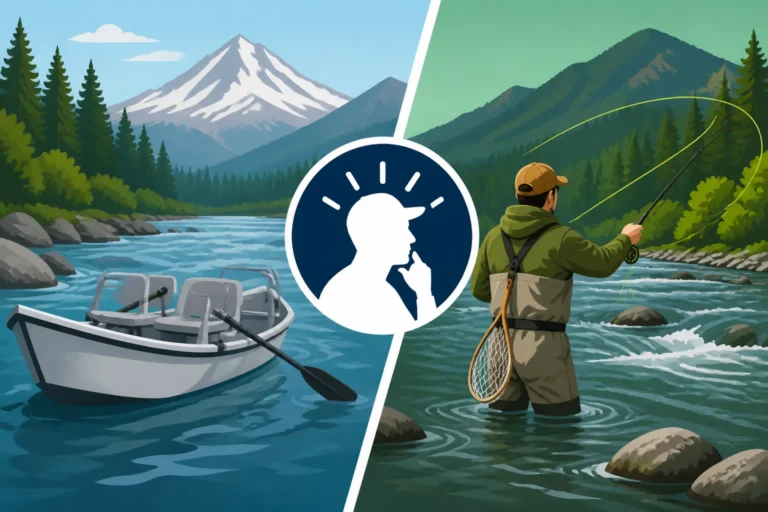
Drifting vs. Bank Fishing Strategies
Choosing between drift boat fishing and bank fishing really comes down to personal preference, skill level, and what kind of experience you're after. Both can be highly effective on the Wenatchee for Spring Chinook, but they each have their unique advantages and challenges.
Drift boat fishing offers the ultimate advantage in covering water. A skilled rower can maneuver a drift boat through miles of prime habitat, presenting baits or lures to countless potential holding lies that are simply out of reach for bank anglers. This mobility allows you to follow the fish as they move upstream and adjust to changing conditions. The ability to make multiple passes over a productive run or hole dramatically increases your chances. However, drift boat fishing requires a dedicated boat, a skilled oarsman, and a shuttle plan to get your vehicle from the put-in to the take-out. Safety is also a major concern, as the Wenatchee can have swift currents and navigational hazards. For those looking to learn the ropes of drift fishing for steelhead, which shares many similarities, exploring articles like Drift Fishing for Steelhead in Washington Rivers can be very helpful.
Bank fishing, on the other hand, is a more accessible and often more serene experience. You don’t need specialized equipment beyond your rod, reel, and tackle. It’s also a fantastic way to fish with friends or family, enjoying the riverside scenery. Success from the bank often hinges on knowing specific productive holes, eddies, and current seams where salmon tend to hold. Anglers who excel at bank fishing often become intimately familiar with a few key spots, learning how fish behave there at different water levels and times of day. This method can involve casting and retrieving lures, or "plunking" with heavy weights and baits designed to stay put in the current, waiting for a fish to pick it up. While you're limited to specific spots, the patient angler can be incredibly rewarded.
Regardless of your chosen method, understanding where Chinook tend to hold is key. They'll often seek out current breaks behind large rocks, in deeper holes, or along slower seams where they can rest while conserving energy for their upstream migration. Look for changes in current speed, depth variations, and any structure that offers cover. Both drifters and bank anglers will focus their efforts on these types of features, presenting their offerings directly to where the fish are likely staging.
Top Techniques and Gear for Wenatchee Spring Chinook
Spring Chinook are notorious for being a bit finicky, especially in the clear, cold waters of the Wenatchee. This means your techniques and gear need to be spot-on. What works one day might not the next, so having a versatile approach is crucial for success.
Effective Bait and Lure Presentations
When it comes to bait, cured salmon roe is often considered king for Spring Chinook on the Wenatchee. The scent and natural appeal of salmon eggs can be irresistible. Anglers typically "drift fish" roe, using a weighted setup that bounces along the bottom, allowing the eggs to tumble naturally with the current, mimicking dislodged salmon eggs. The key is to use just enough weight to maintain bottom contact without snagging too often. Properly cured roe, often from hatchery salmon, offers the best scent and durability. Many anglers spend hours perfecting their curing recipes to gain an edge.
Beyond roe, soft plastic beads have gained immense popularity, especially for targeting fish that might be shy of natural bait or in areas with bait restrictions (though less common for Wenatchee Chinook). These beads, often resembling salmon eggs, are typically pegged above a hook, again drifted naturally with the current. Their subtle presentation can be incredibly effective, especially in clear water where fish have more time to inspect your offering. Colors like chartreuse, orange, and natural pink are common choices, often paired with a small yarn tag to increase buoyancy and visual appeal.
For more aggressive fish, or when covering water quickly, casting spinners and spoons can be incredibly effective. Classic steelhead spinners in sizes 3 or 4, or heavier spoons, can trigger a territorial strike from a Chinook. Colors like brass, silver, chartreuse, or even hot pink are popular. The technique involves casting across or slightly upstream, letting the lure sink, and then retrieving it just fast enough to make it wobble and flash, covering various depths. This method works well from both boat and bank, allowing you to probe different parts of a run. Local favorites include offerings from Blue Fox, Luhr Jensen, and Yakima Bait.
Another highly effective technique, especially from a boat, is twitching jigs. While often associated with Coho salmon, Spring Chinook will absolutely hammer a twitching jig under the right circumstances. A heavy, marabou or rabbit fur jig (1/2 oz to 1 oz) in colors like black and blue, purple, or chartreuse is cast into deeper pockets or current breaks. The jig is then allowed to sink, and the angler uses sharp, upward rod twitches to make the jig "swim" and dart, mimicking an injured baitfish. This can be a very active and exciting way to fish, often leading to explosive strikes.
Rod, Reel, and Line Setups
For Spring Chinook on the Wenatchee, you need gear that can handle powerful fish and strong currents. This isn't the place for ultralight trout gear.
A medium-heavy to heavy power rod, typically 8'6" to 10'6" in length, is ideal. The longer rods provide better line control for drift fishing, allowing you to mend your line effectively and keep your bait in the strike zone longer. For casting heavier lures like spoons or jigs, a slightly shorter, more powerful rod around 9 feet can be more manageable. Rods designed for salmon and steelhead fishing from reputable brands like G. Loomis, Lamiglas, Fenwick, or St. Croix are excellent choices. They offer the backbone needed to turn a big fish and the sensitivity to detect subtle bites.
Matching your rod with the right reel is equally important. For drift fishing with bait, a high-quality baitcasting reel, like a Shimano Curado or a Daiwa Tatula, is often preferred. These reels offer excellent casting control and the ability to easily "thumb" your line to control the drift. For casting spinners, spoons, or jigs, a robust spinning reel in the 3000-5000 size range, such as a Penn Battle or a Daiwa BG, is a solid choice, providing smooth drag and good line capacity.
As for line, most experienced anglers start with a braided main line of 30-50 lb test. Braid offers incredible sensitivity, zero stretch for solid hook sets, and excellent abrasion resistance. However, because braid is highly visible, you'll want to connect a long fluorocarbon leader (8-15 feet) directly to your main line via a strong knot like a double uni or FG knot. Fluorocarbon is nearly invisible underwater and has good abrasion resistance. Leader weights typically range from 15-30 lb test, depending on water clarity and the size of fish expected. Having a variety of leader spools on hand is always a good idea, as conditions can dictate a heavier or lighter presentation. The choice of leader material and length can significantly impact your success, especially when fish are line-shy.
Planning Your Wenatchee Spring Chinook Adventure
Beyond the rod, reel, and bait, a successful Spring Chinook trip to the Wenatchee River requires careful planning, from understanding local resources to practicing ethical angling.
Hiring a Local Guide
For many anglers, especially those new to the Wenatchee River or salmon fishing in general, hiring a local guide is an invaluable investment. A good guide offers a wealth of local knowledge, understanding where the fish are holding, what they're biting on, and how river conditions are changing in real-time. They have years of experience navigating the river safely, knowing all the ins and outs that can take years to learn on your own. For those who want to experience the thrill of the Wenatchee but are unsure how to approach it, a guide is an excellent option.
Guides also provide all the necessary, specialized gear, from drift boats and motors to rods, reels, and the best baits and lures. This means you don't have to invest a fortune in equipment before your first trip. They'll teach you the techniques, help you refine your presentation, and ensure you're fishing legally and safely. You can often find reputable Wenatchee River guides through local tackle shops, fishing forums, or online booking platforms. Platforms like FishingBooker are a great resource for finding and vetting experienced local guides, often with reviews and availability calendars. For a broader understanding of how to select and book a guide, you can refer to How to Book a Fishing Charter in Washington. Additionally, if you're interested in similar guided trips in other regions, information like Columbia River Guided Salmon and Steelhead Trips in Washington can offer useful insights.
A typical guided trip for Spring Chinook on the Wenatchee will usually be a full-day affair, beginning early in the morning. Expect to pay a per-person rate, and it’s always good practice to ask what’s included (e.g., tackle, bait, fish cleaning) and what’s not (e.g., licenses, food, gratuity). Tipping your guide is standard practice for a good experience. A guide not only increases your chances of catching fish but also provides an educational experience, teaching you nuances you might otherwise miss.
Best Practices for a Successful Trip
Preparation is key to any successful fishing trip, and the Wenatchee River for Spring Chinook is no exception. Before you even leave home, check the river conditions. Utilize online resources like USGS river gauges to monitor water flow, height, and temperature. A significant spike in flow from snowmelt can make the river unfishable or push fish into different holding patterns. Clear, stable or slowly dropping water levels are generally ideal for Spring Chinook. Knowing what to expect before you arrive will save you time and frustration.
Beyond conditions, embrace responsible angling. If you're required to release wild Chinook, handle them with the utmost care. Keep them in the water as much as possible, use a net with a rubberized mesh (which is much gentler on fish slime coats), and release them quickly. Even if you're keeping hatchery fish, minimize their time out of the water. Ethical harvesting practices also mean dispatching and bleeding your fish quickly to ensure the best possible table quality. Your actions contribute to the health of the fishery for future generations.
Finally, come prepared for Washington weather, which can be famously unpredictable, especially in spring. Layers are your best friend. Even if the forecast calls for sunshine, pack good rain gear, waterproof boots, and extra warm clothes. Early mornings on the river can be chilly, and sudden showers are not uncommon. Don't forget essentials like plenty of water, snacks, sunscreen, polarized sunglasses (crucial for spotting fish and structure), and a good camera to capture those memorable moments. Having a well-packed bag, as detailed in guides like What to Pack for a Washington Fishing Road Trip, ensures you can focus on fishing rather than battling the elements.
| Technique | Pros | Cons | Ideal Conditions | Gear |
|---|---|---|---|---|
| Drift Fishing Roe/Beads | Highly effective, natural presentation, covers water from a boat | Can be snag-prone, requires skill to keep in strike zone, bait preparation | Clear to slightly off-color water, moderate current, fish holding deep | Long, sensitive rod; baitcasting reel; braid main line, fluorocarbon leader; cured roe or beads |
| Casting Spinners/Spoons | Good for active fish, covers water from bank or boat, less snagging | Less natural presentation, requires more effort, can spook wary fish | Aggressive fish, moderate current, varied depths, searching for fish | Medium-heavy spinning rod; spinning reel; braid or monofilament; spoons/spinners |
| Twitching Jigs | Exciting strikes, good for aggressive fish, active fishing style | Can be tiring, best in specific holding spots, not for all conditions | Deeper holes, current seams, active fish | Medium-heavy spinning or baitcasting rod; spinning/baitcasting reel; braid main line, fluorocarbon leader; heavy jigs |
| Plunking (Bank) | Simple, low effort, good for multiple rods (where legal), can cover wide areas | Less interactive, requires patience, less precise presentation | Slower runs, deeper pools, strong currents where fish funnel through | Heavy-action rod, large capacity spinning or baitcasting reel, heavy weights, bait (roe) |
Disclaimer
Fishing regulations and seasons in Washington State, particularly for salmon and steelhead, are subject to frequent change. Always consult the official Washington Department of Fish and Wildlife (WDFW) website or the current Sport Fishing Regulations pamphlet before heading out on any fishing trip to ensure you have the most up-to-date information. This article is intended for informational purposes only and should not be considered a substitute for official WDFW regulations.