Is Tulalip Bay a Good Salmon Derby Spot?
The thrill of a salmon derby in Washington is something special, isn't it? The camaraderie, the competition, the chance at a prize-winning fish, and the sheer excitement of weighing in a beautiful salmon. But when you're eyeing a specific location like Tulalip Bay, a question often pops up: "Is this really a good spot for a derby?" It's a fair concern. With all the effort and anticipation that goes into derby day, you want to know you're headed somewhere with a legitimate shot at success. This guide is here to cut through the speculation and give you a realistic look at whether Tulalip Bay fits the bill for your next salmon derby adventure.
Understanding Tulalip Bay's Salmon Fishing Landscape
Tulalip Bay, nestled in the Snohomish County area of Puget Sound, holds a unique and often productive place in Washington's salmon fishing scene. It's not just another marine area; it operates under specific agreements that can significantly impact when and how you fish, especially during a derby.
A Unique Agreement and Its Implications
What sets Tulalip Bay apart is the co-management agreement between the Washington Department of Fish and Wildlife (WDFW) and the Tulalip Tribes. This means that fishing seasons and regulations within Tulalip Bay's customary fishing area can differ significantly from the general Puget Sound rules. While many Puget Sound marine areas might be closed, Tulalip Bay often has its own set of open days, typically announced by the Tulalip Tribes, allowing for specific recreational fisheries for residents and tribal members alike. These unique openings are a result of complex resource management and historical rights, offering fishing opportunities that might not exist elsewhere.
For a derby organizer, these distinct openings are a huge advantage. It means they can often schedule an event when other areas are closed, concentrating angling effort and increasing the buzz. However, it also means anglers need to be extra diligent in checking the specific rules for Tulalip Bay, as they can change frequently and be quite distinct from broader WDFW regulations. It’s critical to understand these nuances, especially regarding Washington Fishing Regulations Every Angler Should Know, to avoid any misunderstandings on derby day.
What Species Call Tulalip Bay Home and When
Tulalip Bay is primarily known for its Chinook and Coho salmon fisheries. These are the two species that often become the star attractions of local derbies.
-
Chinook Salmon (Kings): These magnificent fish, often referred to as Chinook Salmon: Washington's King of Fish, are a major draw. Tulalip Bay sees both resident "blackmouth" Chinook, which spend their entire lives in Puget Sound, and migratory ocean-run Chinook passing through on their way to spawning grounds in rivers like the Snohomish or Skykomish. The "blackmouth" fishery often picks up in the fall and winter months, while the migratory runs can offer opportunities in late summer and early fall. For a derby, targeting these larger, harder-fighting fish is always a priority, and Tulalip Bay can certainly produce them. The timing of a derby heavily dictates the availability of these prized fish. You might find some good action during the Best Time to Fish for Chinook in Washington's Puget Sound.
-
Coho Salmon (Silvers): Coho Salmon Fishing in Washington is another highlight. Coho tend to be more numerous and aggressive, making for exciting, action-packed fishing. They typically enter Puget Sound in late summer and peak in the fall. During strong Coho years, a derby in Tulalip Bay can be an absolute blast, with many anglers hooking up. Their acrobatic fights are legendary, and even smaller Coho make for a thrilling catch, adding to the overall derby excitement.
While other salmon like Chum and Pink salmon might pass through, Chinook and Coho are the bread and butter for derby purposes in Tulalip Bay. Understanding the specific run timing for the particular year and the scheduled derby is key to setting your expectations.
The Bay's Structure and Its Fishing Challenges
Tulalip Bay itself offers a variety of underwater structures that hold salmon. It's not a uniform bowl; rather, it features drop-offs, humps, and current seams that create prime ambush points for feeding salmon.
-
Depths and Currents: The bay offers a range of depths, from shallower areas near shore to deeper channels. Understanding tidal currents is paramount here, as salmon often stack up or feed along current lines. The ebb and flow of the tide can dictate where fish are holding and how actively they're biting. Stronger currents can make holding bottom or controlling your gear challenging but can also concentrate baitfish, leading to hot bites.
-
Submerged Structure: While not as dramatic as some offshore reefs, Tulalip Bay does have areas of varied bottom contour. These submerged features provide cover for baitfish and predators alike. Anglers familiar with the bay often use electronics to pinpoint these structures, which can be hotspots for Chinook and Coho.
-
Congestion: On a derby day, especially one drawing a crowd, Tulalip Bay can get busy. Boats will often concentrate in known productive areas, leading to potential challenges with boat traffic and keeping your lines clear. This is where experience and courtesy come into play. Having a good understanding of boat control and how to effectively Trolling for Salmon in Washington's Puget Sound in a crowded environment is beneficial. Despite the challenges, the excitement of derby day often outweighs the close quarters.
Tulalip Bay as a Salmon Derby Destination
So, with its unique management and salmon populations, how does Tulalip Bay actually stack up as a salmon derby spot? It’s generally quite favorable, offering a good blend of accessibility, decent fish populations, and a strong community vibe.
The Allure of Derbies: Community, Competition, and Prizes
Derbies are more than just fishing trips; they're events. There's a tangible excitement in the air, from the pre-dawn coffee shared at the boat launch to the anxious wait at the weigh station. Tulalip Bay often hosts popular derbies that bring together anglers from all walks of life. The competitive spirit is palpable, with everyone hoping for that one big bite. But it's also about the community—sharing tips (or playfully guarding secrets!), admiring others' catches, and celebrating the passion for fishing.
And, of course, there are the prizes. From cash payouts to new gear, the potential rewards add an extra layer of motivation. For derby organizers, Tulalip Bay's reliable, albeit managed, salmon runs make it an attractive venue, ensuring there's usually a good chance of fish being caught and weighed in, which is crucial for a successful event.
Past Derby Successes and Challenges in Tulalip Bay
Historically, Tulalip Bay has seen its share of highly successful salmon derbies. Many local clubs and organizations have used the bay for their annual events, often with impressive results. Anglers have pulled out hefty Chinook and respectable Coho, often leading to exciting weigh-ins. The unique tribal openings can mean that these derbies happen when fishing pressure is otherwise low in surrounding waters, giving participants a real advantage.
However, like any fishing venture, challenges exist. Weather can be a factor, from high winds to heavy rain, which can impact fishing comfort and safety. Fish runs, while generally reliable, are never guaranteed, and some years might be slower than others. The density of fish can vary, meaning some derbies might see fewer fish caught overall, even if the winning fish is still a monster. Patience and adaptability are always key. A less active derby might mean you need to work harder, but the reward of a hard-earned fish is even sweeter.
Essential Gear and Tactics for Derby Day Success
To maximize your chances on derby day in Tulalip Bay, having the right gear and a solid tactical plan is crucial.
- Rods and Reels: For Chinook and Coho, a medium-heavy to heavy action salmon rod, typically 9 to 10.5 feet in length, paired with a stout baitcasting or levelwind reel spooled with 20-30 lb monofilament or braided line is ideal. This setup provides the backbone to fight powerful salmon and the sensitivity to detect subtle bites.
- Downriggers: These are almost a necessity for effective salmon fishing in Tulalip Bay, especially for derbies. Downriggers allow you to present your bait or lure at precise depths where salmon are holding, often near the bottom or suspended in the water column. Being able to constantly adjust your depth is a huge advantage.
- Lures and Bait:
- Cut-plug herring: This is a classic and consistently effective bait for salmon. Rigged correctly, it creates an irresistible wounded-fish action. Fresh, brined herring is always preferred.
- Spoons: Metal spoons like the Silver Horde Coho Killers or Gibbs Delta G-Force spoons in various colors (e.g., green, blue, black pearl, or glow patterns) are deadly. The flash and wobble mimic baitfish.
- Hoochies and Plugs: Soft plastic hoochies (squid imitations) often fished behind a flasher, and diving plugs (like Kwikfish or FlatFish) are also highly effective, especially when trolled at specific speeds.
- Flashers and Dodgers: These are integral to many salmon trolling setups. They create vibration and flash in the water, attracting salmon to your main lure or bait. Experiment with different colors and sizes to see what the fish prefer on any given day.
- Trolling Speed and Depth: Pay close attention to these factors. Salmon can be incredibly particular. Slower speeds often work better for Chinook, while Coho might respond to a faster troll. Using your fish finder to mark bait balls and salmon, then setting your downriggers to those depths, is a proven strategy. Often, you're targeting fish close to the bottom in deeper sections of the bay, but don't overlook suspended fish in the mid-water column, especially for Coho.
Successful derby anglers often have multiple rods rigged with different presentations, allowing them to quickly adapt to what the fish are responding to. Don't be afraid to change colors, lures, or even baits if one isn't producing. Always check the official derby rules for any gear restrictions!
Navigating the Rules and Logistics for a Tulalip Bay Derby
Fishing in Tulalip Bay, especially during a derby, requires a bit more attention to rules and logistics than some other parts of Washington. Getting it wrong can lead to disappointment or, worse, a violation.
Special Regulations and Licensing
This is perhaps the most critical aspect of fishing Tulalip Bay. Because of the unique co-management, standard Washington Fishing License Guide for Nonresidents details might not cover everything.
- Tribal Permit vs. WDFW License: If you are fishing within the Tulalip Tribes' Usual and Accustomed fishing area, particularly during a tribal-managed recreational fishery, you will often need a specific Tulalip Tribes fishing permit in addition to your state WDFW license. This permit ensures compliance with tribal regulations and supports tribal resource management. Always check with the derby organizers or the Tulalip Tribes’ natural resources department for the exact licensing requirements for the specific event. Trying to fish a derby in Tulalip Bay without the correct documentation is a sure way to disqualify yourself and face potential penalties.
- Catch Record Cards: Even with a tribal permit, you'll still need a valid Washington State Catch Record Card (CRC) if you intend to keep salmon or steelhead. The Washington Catch Record Card and What It Requires is essential for reporting your catch, which helps WDFW and the tribes monitor fish populations. Make sure you understand When a Catch Record Card Is Required in Washington and fill it out immediately upon retaining a fish.
- Emergency Rules and Closures: Keep an eye out for Puget Sound Salmon Closures: What Washington Anglers Need to Know and any specific emergency rule changes that might affect the bay, even if a derby is planned. While derby dates are typically set with these considerations, unforeseen circumstances can always arise. What to Check Before Every Washington Fishing Trip always includes checking the latest regulations.
Boat Launches, Moorage, and Access Points
Tulalip Bay is generally boat-centric for derbies, though some shore access exists.
- Public and Private Launches: The area around Tulalip Bay offers several boat launch options. The Tulalip Bay boat launch itself is a primary access point, providing good facilities. Nearby Everett also has larger launches like those at the Port of Everett, which can accommodate bigger boats and often have more parking. It's wise to arrive early on derby day, as ramps can get extremely busy.
- Moorage: For those staying overnight or wanting to keep their boat in the water, nearby marinas in Everett or other Puget Sound locations offer moorage options. However, these fill up quickly, especially during popular fishing seasons.
- Parking: Trailer parking can be a real headache on crowded derby days. Factor in extra time to find a spot, or consider carpooling if possible. Some derbies might arrange specific parking solutions, so always check with the organizers.
Preparing for Derby Day: What to Bring
A successful derby day is often a well-prepared one. Here’s a checklist of essentials:
- Fishing Licenses and Permits: Your valid WDFW fishing license, any required endorsements, and your Tulalip Tribes permit (if applicable). Don't forget your Catch Record Card!
- Safety Gear: Life jackets for everyone on board, throwable flotation device, fire extinguisher, horn/whistle, distress signals (flares), first-aid kit.
- Navigation and Communication: GPS/Chartplotter, marine radio (VHF), cell phone (fully charged).
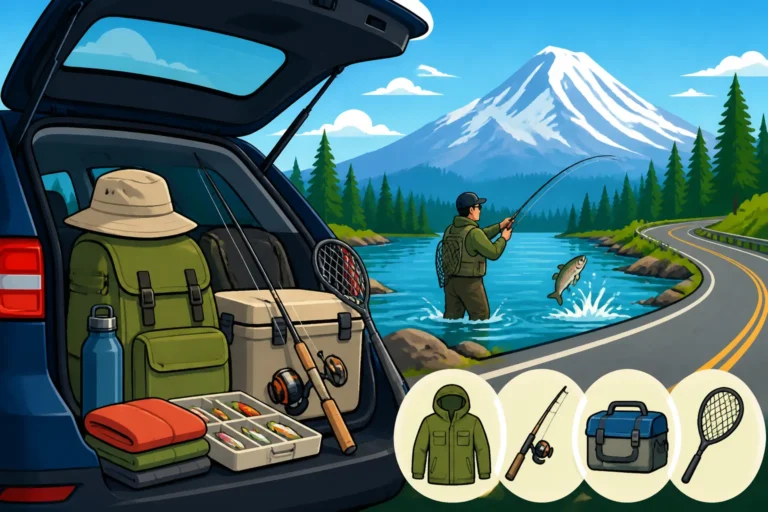
- Fishing Tackle: Multiple rods and reels, a wide selection of lures and baits (herring, spoons, hoochies, plugs), downriggers (if boat fishing), flashers, extra line, leader material, weights, hooks, net, gaff.
- Fish Care: Large cooler with ice for your catch, fish stringer (if applicable), measuring board (to ensure legal size).
- Personal Comfort: Rain gear, warm layers of clothing (even in summer, Puget Sound can be chilly), sunscreen, hat, sunglasses, food, water, snacks.
- Derby Specifics: Any official derby paperwork, rules, and contact information for the organizers.
For those considering a guided experience, services like FishingBooker can help you find reputable local guides who are experts in Tulalip Bay's unique regulations and fishing patterns. Booking a guide can eliminate much of the logistical stress and greatly increase your chances of success, especially if you're new to the area or derbies. You can often find How to Book a Fishing Charter in Washington through such platforms.
Tulalip Bay Salmon Derby: Pros and Cons
| Feature | Pros | Cons |
|---|---|---|
| Fish Population | Good runs of Chinook and Coho salmon; potential for trophy-sized fish. | Fish runs can vary year-to-year; unpredictable bite on any given day. |
| Unique Regulations | Tribal co-management allows for fishing opportunities when other areas are closed. | Requires additional permits (e.g., Tulalip Tribes permit) beyond standard WDFW license. |
| Derby Atmosphere | Strong community involvement; competitive spirit; potential for significant prizes. | Can lead to crowded waters and boat launches, requiring extra patience. |
| Accessibility | Good boat launch facilities and proximity to major population centers. | Parking can be challenging on busy derby days; limited shore access for productive fishing. |
| Fishing Techniques | Diverse structure allows for various effective trolling and mooching techniques. | Requires a good understanding of local currents and depths; can be challenging for beginners without a guide. |
| Information & Resources | Often well-publicized derbies with clear rules; good local knowledge from tackle shops and guides. | Rules can be complex and change frequently, requiring constant vigilance. |
In conclusion, Tulalip Bay can absolutely be a good salmon derby spot, offering unique fishing opportunities and the chance to land some impressive fish. Success often hinges on being well-prepared, understanding the specific regulations, and bringing your A-game with the right tackle and techniques. Whether you're a seasoned pro or trying your first derby, the bay offers an exciting challenge and a memorable experience.
Disclaimer
Please be aware that fishing regulations, seasons, and derby specifics are subject to change without notice by the Washington Department of Fish and Wildlife (WDFW) and the Tulalip Tribes. Always consult the most current WDFW fishing regulations pamphlet, emergency rule changes, and any specific derby rules and tribal permit requirements before heading out. This guide provides general information and should not be considered a substitute for official sources.