Does the Skagit Open Earlier Than the Sauk?
It's incredibly frustrating when you're trying to plan a fishing trip, especially to iconic rivers like the Skagit and Sauk, only to find their opening dates are shrouded in mystery or seem to shift constantly. You just want a straightforward answer, but the reality of Washington's complex fishery management often leaves anglers scratching their heads. This guide is here to untangle that confusion, helping you understand the typical opening patterns for these two magnificent rivers and how to stay on top of the ever-changing regulations.
Deciphering Skagit and Sauk River Openings
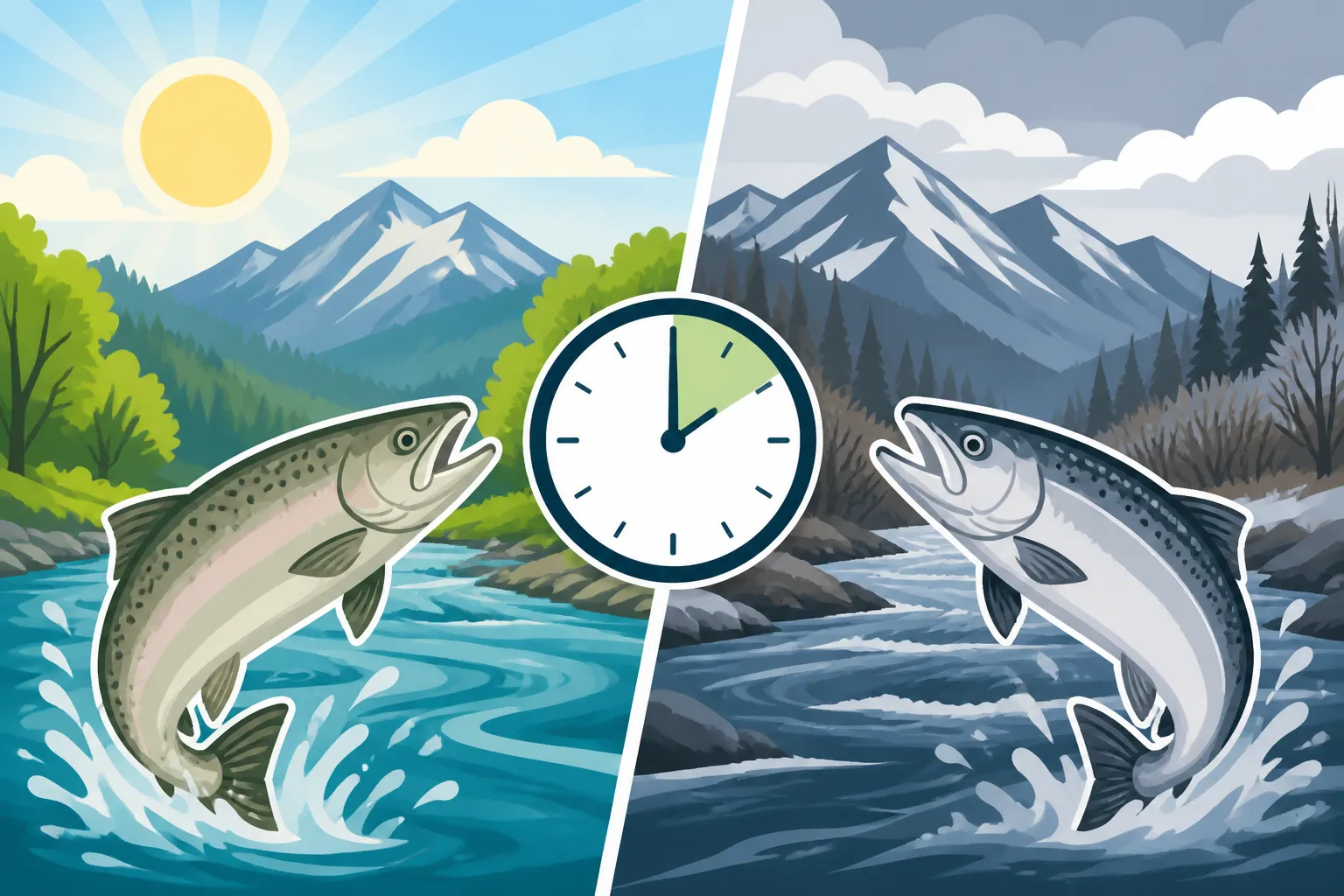
The burning question for many anglers is whether the Skagit River generally opens earlier than the Sauk River. The simple answer is: it's complicated, and it largely depends on the species you're targeting and the specific run year. Both rivers are incredibly important to Washington's fishing landscape, but they often operate under different management strategies, especially concerning their prized wild steelhead and salmon runs.
Understanding Washington's Complex Season Setting
Before we dive into specifics, it's crucial to grasp why Washington's fishing seasons, particularly for sensitive fisheries like the Skagit and Sauk, are so intricate. The Washington Department of Fish and Wildlife (WDFW) is tasked with balancing recreational opportunities with conservation responsibilities. This means every season opening, every bag limit, and every gear restriction is the result of painstaking scientific assessment, public input, and tribal co-management agreements. They're trying to ensure enough fish make it upstream to spawn, while also providing anglers a chance to participate. It's a delicate dance, and it's why you can't just expect a set-in-stone schedule year after year. Factors like ocean conditions, predation, water levels, and even distant commercial fisheries all play a role in how many fish return to these rivers. This complexity is why anticipating a river's opening or closure can feel like reading tea leaves sometimes.
Typical Opening Patterns for the Skagit River
The Skagit River is a legendary waterway, known historically for its incredible salmon and steelhead runs. Its sheer size and diverse habitat mean that different sections and different species might have distinct opening and closing dates.
For winter steelhead, the Skagit has seen its fair share of closures and restrictive seasons in recent years due to severe declines in wild populations. When it does open, it's often under very strict catch-and-release rules, sometimes with specific gear restrictions like Barbless Hook Requirements on Washington Rivers or bait bans. These openings tend to be in the late fall or early winter, sometimes extending into spring, but this is highly variable. Hatchery steelhead opportunities might exist in certain lower sections or tributaries, but the mainstem wild steelhead fishery has been heavily managed for conservation.
For salmon, the Skagit has also faced challenges. Chinook (King) salmon runs, for example, have been a major focus of conservation efforts. When salmon fisheries open, they are typically later in the summer and fall, with specific windows for coho, pink, and chum salmon. The timing is often dictated by run forecasts and in-season updates, which you can track through WDFW's Washington Sport Fishing Seasons and Emergency Closures page. It's not uncommon for sections of the river to open for a few days, then close, or to have daily limits change drastically based on how many fish are actually showing up.
Typical Opening Patterns for the Sauk River
The Sauk River, a major tributary to the Skagit, is renowned for its pristine waters and critical habitat for wild steelhead. Its management strategy often leans even more heavily towards conservation, making its fishing opportunities more limited and highly regulated, particularly for native fish.
When it comes to wild steelhead, the Sauk is frequently part of the Skagit-Sauk system's management, meaning if the Skagit is closed for wild steelhead, the Sauk often is too, or has even stricter regulations. If an opening does occur, it's almost exclusively catch-and-release for wild steelhead, often with single-point barbless hooks and no bait. The season, if it exists, would typically mirror the winter steelhead timing of the Skagit, but with an even stronger emphasis on protecting every wild fish. The WDFW often designates areas like the Sauk as vital Wild Steelhead Gene Bank Rivers, Explained to protect genetic diversity, leading to highly conservative management.
Salmon fishing on the Sauk is also tightly managed. Due to its importance as a spawning ground for wild populations and its status as a pristine river, open seasons for salmon on the Sauk are often brief and dependent on robust run forecasts. Like the Skagit, these would typically occur in late summer and fall for various salmon species, but always check current regulations meticulously. Historically, the Sauk has often been closed to angling when the Skagit has limited openings, especially if escapement goals are not being met. So, generally speaking, if you're looking for open water and more consistent fishing opportunities, the Skagit, particularly its lower reaches, might have earlier or more consistent openings for some species compared to the highly protected Sauk, but this is a generalization and requires checking current rules.
Factors Influencing River Openings
It's tempting to think of fishing seasons as static calendar dates, but for rivers like the Skagit and Sauk, that's rarely the case. Their openings are dynamic, influenced by a multitude of interconnected biological and environmental factors. Understanding these elements can help you predict, to some extent, when and why these rivers might be open or closed, and ultimately, save you a trip that ends in disappointment.
Run Forecasts and Escapement Goals
At the heart of every season setting are the run forecasts. WDFW biologists, in collaboration with tribal co-managers, meticulously analyze data to predict how many salmon and steelhead will return to a given river each year. These forecasts take into account everything from ocean survival rates to smolt outmigration success and historical return data. If the forecast is robust, there's a higher likelihood of an open fishing season.
However, a strong forecast alone isn't enough. The most critical piece is the escapement goal. This is the minimum number of spawning fish that must successfully reach their natal grounds to ensure the long-term health of the population. If a forecast suggests that a recreational or commercial fishery might jeopardize that escapement goal, then seasons will be restricted or closed entirely, no matter how many anglers want to hit the water. This is particularly true for wild runs on rivers like the Sauk. Sometimes, Test Fishery Counts and How They Drive Salmon Openings are used mid-season to gauge actual returns against forecasts, leading to swift changes.
Conservation Concerns and Wild Fish Management
The Skagit and Sauk rivers are vital arteries for wild salmon and steelhead, some of which are listed under the Endangered Species Act (ESA). This status triggers extremely stringent management protocols designed to protect these vulnerable populations. For anglers, this often translates to:
- Catch-and-Release Only: Many seasons, especially for wild steelhead, are strictly catch-and-release to minimize impact on spawning stocks.
- Gear Restrictions: Rules like Barbless Hook Requirements on Washington Rivers and Washington Bait Bans and When They Apply are often implemented to reduce mortality rates for released fish.
- Habitat Protection: Decisions about fishing seasons also consider the ongoing health of the river's ecosystem. Poor water quality, low flows, or high water temperatures can all lead to closures, even if fish are present, because fishing pressure could add undue stress. The Sauk, being a more pristine and wild system, often sees these conservation concerns prioritized, potentially leading to fewer or shorter fishing opportunities compared to other rivers with larger hatchery components.
Emergency Rule Changes and In-Season Adjustments
Perhaps the most frustrating aspect for anglers is the prevalence of emergency rule changes. You could plan a trip months in advance, only to wake up the day before to an announcement that your chosen river or species is suddenly closed or has drastically different limits. These Emergency Rule Changes: Why Washington's Rules Shift Mid-Season are not arbitrary; they are a direct response to real-time data indicating that a run is weaker or stronger than forecast, or that environmental conditions have changed.
WDFW and tribal co-managers are constantly monitoring fish returns using various methods, including test fisheries, dam counts, and creel surveys. If, for instance, a predicted salmon run isn't materializing as expected, an emergency closure might be implemented to conserve the remaining fish. Conversely, a stronger-than-expected run might lead to a brief opening or increased limits. This dynamic management, while essential for conservation, demands that anglers stay incredibly vigilant and check the rules right up until they leave for the river. Ignoring these updates can lead to fines and penalties for Fines and Penalties for Common Fishing Violations.
How to Stay Updated on River Openings
Given the dynamic nature of fishing regulations on rivers like the Skagit and Sauk, being informed is your best defense against a wasted trip. Relying on outdated information or hearsay is a surefire way to end up disappointed, or worse, in violation of the rules. Here's how to ensure you're always operating with the most current information.
Official WDFW Resources
Your primary source for Washington fishing regulations should always be the Washington Department of Fish and Wildlife (WDFW). They are the ultimate authority, and their resources are designed to provide real-time updates.
- WDFW Website: Make it a habit to visit the WDFW's official fishing regulations page. This is where they post the annual Reading the Washington Sport Fishing Regulations Pamphlet and, more importantly for real-time changes, their "Emergency Rules" section. This page is updated immediately when a rule change occurs, often detailing specific dates, affected river sections, and species. You should always check the main WDFW website for Where to Find Current Washington Fishing Rules before heading out.
- WDFW "Fish Washington" App: This mobile application is a game-changer for anglers. It allows you to access regulations, check emergency rules, and even report your catch directly from your phone. It's an indispensable tool for staying current on the go. Ensure you've got the latest version downloaded and regularly refresh it before your trips.
- WDFW Email Alerts: Many anglers sign up for WDFW's email notification system. This service sends alerts directly to your inbox whenever an emergency rule change or other critical fishery news is announced. It’s a passive but effective way to ensure you don’t miss important updates.
Local Knowledge and Fishing Reports
While official sources are paramount, local knowledge provides invaluable context and nuance that regulations pamphlets sometimes can't.
- Local Tackle Shops: These are goldmines of information. The folks working at your local sporting goods store or bait shop, especially those near rivers like the Skagit (perhaps in Mount Vernon or Burlington) or Sauk, live and breathe fishing. They often have real-time reports from anglers, know about subtle changes in river conditions, and can offer tips on what's biting (or not). Plus, they are often the first to hear about upcoming WDFW decisions or local enforcement trends.
- Fishing Forums and Social Media Groups: Online communities dedicated to Washington fishing can be incredibly active. Anglers often share their experiences, post photos, and discuss rule changes. Just be cautious to verify any critical information with official WDFW sources, as rumors can spread quickly. These platforms can also be great for finding out if a river is "blown out" or too low, which official rules don't always cover.
- Fishing Guides: If you're serious about fishing these complex rivers, consider hiring a local guide. Reputable guides spend countless hours on the water and make it their business to know the rules inside and out. A good guide, perhaps found through a service like FishingBooker, not only provides an exceptional fishing experience but also acts as a real-time information source. They know the nuances of Drift Fishing for Steelhead in Washington Rivers or Bank Fishing Techniques for Washington Salmon and can often give you the most accurate assessment of current conditions and openings. They live the updates, so you don't have to stress about missing a critical announcement.
Planning Your Trip Around Potential Closures
Because season volatility is a reality, especially for the Skagit and Sauk, a flexible approach to trip planning is key.
- Have Backup Plans: Don't put all your eggs in one basket. If you're planning a trip specifically for Skagit River wild steelhead, have a backup plan for a different species or even a different river (like the Cowlitz or Lewis, if open for hatchery fish), or perhaps consider chasing Rainbow Trout Fishing in Washington in a local lake if the rivers are a no-go. This way, if an unexpected closure hits, your entire trip isn't ruined.
- Monitor Conditions: Beyond regulations, river conditions can make fishing impossible or unproductive. Check river gauges for flow rates, and look at weather forecasts for heavy rains that could "blow out" the river, making it unfishable for days. Many online resources and local news outlets provide this data.
- Consult Guides in Advance: If you're using a guide, communicate openly about the potential for closures. Many guides will have contingencies or advise you on the best times to book given the historical likelihood of openings for specific species. Booking through platforms like FishingBooker allows for easy communication and helps you find guides specializing in various Washington fisheries, giving you more options.
By combining official WDFW resources with local insights and a flexible mindset, you'll be much better equipped to navigate the complex world of Washington's river fishing seasons.
Comparing Skagit and Sauk River Seasons
To summarize the typical differences in management and general opening patterns, here’s a quick overview. Remember, this is a generalization, and always check current WDFW regulations before heading out.
| Feature | Skagit River (Mainstem) | Sauk River (Tributary) |
|---|---|---|
| Primary Species | Chinook, Coho, Pink, Chum Salmon; Winter Steelhead | Wild Winter Steelhead, Coho Salmon |
| Management Focus | Conservation with some hatchery opportunities (lower river) for salmon. Wild steelhead heavily protected. | High emphasis on wild fish conservation, especially steelhead. Very limited recreational impact. |
| Typical Openings | Varied, often later summer/fall for salmon, highly restricted/closed for wild steelhead. Some hatchery steel. | Seldom open, and if so, highly restrictive catch-and-release for wild steelhead. Limited salmon. |
| Gear Restrictions | Frequent barbless hook, bait restrictions, especially for steelhead. | Extremely common: barbless hooks, no bait, often single-point hooks. |
| Conservation Status | Critical habitat for ESA-listed salmon & steelhead. | Core wild steelhead gene bank. Highly sensitive ecosystem. |
| Likelihood of Closure | High potential for in-season closures based on run sizes and escapement goals. | Very high potential for closures due to extremely low wild fish returns and conservation needs. |
This table illustrates that while both rivers are precious resources, the Sauk often bears the brunt of the most stringent conservation measures due to its role as a vital wild fish sanctuary, meaning its seasons are typically more restricted or non-existent compared to the mainstem Skagit for certain species.
Disclaimer
Fishing regulations in Washington State are subject to frequent change. The information provided in this article is for general guidance only and is based on typical historical patterns. It is your sole responsibility to check the most current regulations, emergency rules, and advisories issued by the Washington Department of Fish and Wildlife (WDFW) before planning or engaging in any fishing activity. Failure to do so may result in fines or penalties. Always fish responsibly and ethically.