Drift Fishing for Steelhead in Washington Rivers
There’s nothing quite like the thrill of a Washington steelhead biting your line. Yet, for many anglers, the pursuit of these elusive, chrome-bright fish can feel like chasing a ghost, especially when you're battling swift currents and cold temperatures. If you've ever felt frustrated trying to get your offering in front of a steelhead without it getting swept away or snagged, you're not alone. This comprehensive guide is here to demystify drift fishing, one of the most effective and rewarding techniques for targeting steelhead in Washington's diverse river systems, ensuring your next outing is met with more success and less head-scratching.
What Exactly is Drift Fishing for Steelhead?
Drift fishing is a fundamental and incredibly effective technique for pursuing steelhead, especially in river environments. It's essentially about presenting your bait or lure in a way that mimics a natural food item tumbling freely down the current, right into a steelhead's strike zone. This isn't about casting and retrieving; it's about casting upstream, allowing your presentation to drift naturally with the current, and controlling that drift with your rod and line.
The Core Principle: Natural Presentation
At its heart, drift fishing is all about natural presentation. Steelhead, being apex predators, are often opportunistic feeders but are also incredibly wary. Anything that looks unnatural, whether it's moving too fast, dragging the bottom incorrectly, or is tethered by too much visible line, will likely be ignored. The goal is to make your offering appear as if it's completely unweighted, just another morsel dislodged from the riverbed or washed downstream, effortlessly floating into their lie.
This requires a delicate balance of weight, leader length, and line control. You want just enough weight to get your bait down near the bottom where steelhead often hold, but not so much that it causes your setup to "plow" or snag excessively. The current should be doing most of the work, carrying your presentation along at its natural speed, while you, the angler, merely guide it. Mastering this "free-drifting" illusion is the key to unlocking consistent steelhead bites, as it appeals directly to their instincts without raising suspicion.
Why Drift Fishing Excels for Steelhead
Drift fishing truly excels for steelhead because it directly addresses their primary habitat and feeding behaviors. Steelhead spend a significant amount of their time in rivers, often holding in seams, behind obstacles, or in troughs where they can conserve energy while still being able to dart out for passing food. A well-executed drift allows your bait to traverse these exact holding areas, covering a wide range of water on each cast.
Unlike casting a spinner or spoon, which has its own action, drift fishing allows for a more subtle, yet powerful, presentation that mimics the natural flow of the river. This technique is particularly potent in cold, clear water conditions or when steelhead are less aggressive, as it provides them with an easy, low-effort meal. It’s also incredibly versatile, adaptable to different water types, depths, and speeds, making it a go-to method for many successful Washington steelhead anglers.
Comparing Drift Fishing to Other Steelhead Techniques
While drift fishing is a cornerstone of steelhead angling, it's not the only technique. Other popular methods include float fishing (often called "bobber dogging"), spoon and spinner casting, and fly fishing. Each has its place, but understanding their differences highlights drift fishing's unique strengths.
Float fishing uses a fixed or slip float to suspend your bait at a specific depth, allowing for a precise presentation, especially in deeper, slower pools or when fish are holding high in the water column. It provides excellent bite detection but can be less effective in fast, turbulent water where a float struggles to remain upright or when fish are hugging the bottom in uneven terrain. Spinners and spoons, on the other hand, rely on flash and vibration to provoke aggressive strikes, which is fantastic when steelhead are active and chasing. However, they can be less effective when fish are lethargic or in very clear water where they might shy away from an overtly aggressive presentation. Fly fishing, while incredibly rewarding, demands specialized gear and casting skills, and its effectiveness can be highly dependent on water conditions and the angler's ability to "read" the water and present flies naturally. Drift fishing bridges many of these gaps, offering a versatile, natural presentation that can be adapted to a broad spectrum of river conditions and steelhead moods, often requiring less specialized casting than fly fishing but offering more control than a free-floating bobber in varied water.
Essential Gear for Washington Steelhead Drift Fishing
The right gear makes all the difference when you're drift fishing for steelhead. It's not about having the most expensive equipment, but rather choosing tools that are properly matched to the technique and the conditions you'll encounter on Washington's rivers. Investing in quality components will save you frustration and increase your chances of success.
Rods and Reels for River Drifting
When it comes to drift fishing rods, you're generally looking for something long and sensitive. A typical drift rod ranges from 9 to 10.5 feet, with some anglers even going longer. This length is crucial for several reasons: it helps you mend your line effectively, keeping it off the water for a cleaner drift, and provides excellent leverage for fighting powerful steelhead. The action should lean towards moderate-fast or fast, giving you enough backbone to set the hook and control a fish, but with a sensitive tip to detect subtle bites. You want a rod that can handle the specific weight of your terminal tackle while still telegraphing every bump and tap from the river bottom.
For reels, a high-quality spinning reel in the 2500-4000 series is usually preferred for its ease of use and ability to cast light presentations. Some experienced anglers, particularly those in specific regions of Washington like on the Olympic Peninsula rivers, might opt for a baitcasting reel for more precise line control and quick retrieves, especially when fishing heavier gear. Whatever you choose, ensure it has a smooth drag system, as fighting a hot steelhead often involves powerful runs that test your reel's ability to dispense line evenly without snapping it. A reliable reel is truly an investment, and you can find great options on platforms like Amazon that offer good reviews and a range of prices.
Line Selection: Mainline, Leader, and Knots
Your line setup is critical for successful drift fishing. Most anglers start with a braided mainline, typically 20-30 lb test, due to its incredible sensitivity, lack of stretch, and casting distance. This sensitivity allows you to feel even the slightest tap from a steelhead or contact with the bottom, which is essential for proper drift and bite detection. However, braid is highly visible, so you'll always connect it to a monofilament or fluorocarbon leader.
The leader material and length are where much of the finesse comes into play. Many prefer fluorocarbon for its invisibility underwater, abrasion resistance, and faster sink rate, typically in the 8-15 lb test range. The length of your leader can vary significantly depending on water clarity and depth, but a good starting point is 3-6 feet. In clear, low water, a longer, lighter leader might be necessary to fool wary fish. Connecting your mainline to your leader with a strong, low-profile knot like a double uni-knot or an FG knot is paramount; these knots pass smoothly through rod guides and withstand the strain of powerful steelhead. Remember, the strength of your leader should be well-matched to your rod and reel, and sometimes, a lighter leader might be necessary to get a bite, even if it means fighting the fish a little more carefully. For various line types and knot-tying tools, you can explore options on Amazon.
Terminal Tackle: Weights, Swivels, and Beads
The specific terminal tackle you use will determine how effectively your bait drifts. The most common weighting system for drift fishing in Washington is pencil lead or slinky weights. Pencil lead is a thin, cylindrical lead that slides easily over rocks, reducing snags. Slinky weights are typically made from cordura filled with lead shot, offering a softer, more flexible option that also reduces hang-ups. The amount of weight you need is crucial and depends entirely on current speed and depth. The goal is just enough weight to intermittently tick the bottom without dragging or bouncing excessively. You'll often hear the advice: "Use just enough weight to feel the bottom every few seconds."
| Sinker Type | Description | Ideal Use Case | Pros | Cons |
|---|---|---|---|---|
| Pencil Lead | Thin, cylindrical lead, often used in a dropper loop. | Rocky bottoms, moderate currents, general purpose. | Slides over rocks, minimal snagging. | Can still hang up in dense snags, fixed weight. |
| Slinky Weight | Lead shot inside a flexible cordura tube. | Very rocky, snag-prone areas, varied bottom contours. | Flexible, superior snag resistance, quiet presentation. | Can be less precise in very fast currents, bulkier. |
| Split Shot | Small, round lead weights crimped onto the line. | Light currents, shallow water, fine-tuning weight. | Easy to add/remove, versatile for small adjustments. | Prone to snagging on rocks, can damage line if crimped too hard. |
| Cannonball Sinkers | Round lead balls with a swivel, often heavier. | Deep, fast water, heavy currents, power fishing. | Gets down fast, holds bottom well. | Very prone to snagging, less natural drift. |
Above your weight, a small barrel swivel is used to prevent line twist and act as a stop for your weight system. This swivel connects your leader to a dropper line where your weight is attached. The length of this dropper line is also adjustable; a shorter dropper keeps your bait closer to the bottom, while a longer one can lift it slightly above the snags. Finally, colorful beads, often fluorescent or UV-reactive, are frequently used on the leader just above the hook. These beads mimic salmon eggs, a natural food source, and can provide a visual attractant that triggers strikes, especially in off-color water. They come in various sizes and colors, and experimenting with them can make a big difference.
Bait and Artificial Presentations that Work
Steelhead are known for their varied diet, and drift fishing allows for a wide array of presentations. Natural baits are incredibly effective, with cured salmon roe (often called "roe bags" or "spawn sacks") being a perennial favorite. The scent and natural appeal of roe are hard to beat. Sand shrimp and prawns, fresh or cured, are also excellent choices, providing both scent and a desirable texture. Worms, particularly nightcrawlers, can be surprisingly effective at times, especially when rivers are high and off-color.
Artificial baits have also come a long way. Soft plastic eggs, often scented, can mimic natural roe with impressive realism. Beads, as mentioned, are a popular choice, particularly when fishing clear water where a subtle presentation is key. Small soft plastic worms, grubs, or even tiny plastic clusters can also be drifted effectively. The key to success with any bait or artificial is to ensure it's presented cleanly and naturally, offering minimal resistance to the current. Matching the hatch, or at least the general food source available, is always a good strategy.
Understanding Washington Steelhead Rivers and Water Conditions
Washington's steelhead rivers are as diverse as the state's geography, from the powerful, wide flows of the Columbia River tributaries to the intimate, technical waters of Olympic Peninsula streams. Understanding how to "read" these rivers and adapt to ever-changing water conditions is paramount to successful drift fishing.
Reading the River: Seams, Runs, and Pools
One of the most critical skills for any drift angler is the ability to read the water. Steelhead don't just hang out randomly; they prefer specific lies where they can rest, hide, and ambush food. Your job is to identify these spots. Look for "seams" – the dividing line between fast and slow water. These are prime holding areas because steelhead can sit in the slower current with less effort, waiting for food to wash by in the faster lane.
"Runs" are stretches of river with a relatively consistent current and depth, often presenting excellent drift fishing opportunities. Steelhead will often stack up in these areas, particularly if there's cover like submerged logs or boulders. "Pools" are deeper, slower sections of the river. While steelhead might rest in the deepest parts of pools, they often hold near the head (where the faster water enters) or the tail (where the water begins to speed up again). Any natural structure – large rocks, downed trees, undercut banks – creates eddies and current breaks that are magnets for steelhead. Observing the river, understanding how the current interacts with obstacles, and identifying these strategic holding points will drastically improve your success rate.
The Impact of Water Level and Clarity
Water level and clarity are perhaps the two most significant factors influencing steelhead behavior and drift fishing effectiveness. A rising river, often due to heavy rains or snowmelt, can bring in fresh fish but also increases turbidity and current speed. In these conditions, steelhead often move closer to the banks, seeking calmer water, and may respond better to larger, scentier baits or brighter artificials. Conversely, a dropping or low river usually means clearer water. This is when steelhead become incredibly wary, and you'll need to employ lighter leaders, smaller baits, and an even more meticulous presentation to avoid spooking them.
Water clarity directly affects how visible your line and bait are to the fish. In clear water, fluorocarbon leaders are essential, and presentation becomes paramount. In stained or cloudy water, a little more leniency is afforded, and sometimes a brightly colored bead or a more robust scent profile can help fish locate your offering. Learning how to check for emergency rule changes that might impact fishing due to these conditions is also crucial, as the Washington Department of Fish and Wildlife (WDFW) frequently adjusts regulations based on real-time river data.
Seasonal Considerations for Steelhead Runs
Washington is unique in offering both winter and summer steelhead runs, each with its own characteristics and peak seasons. Understanding these seasonal nuances is key to planning your drift fishing adventures. Winter steelhead, often larger and more aggressive, typically enter rivers from late fall through spring. The water is usually colder and often higher and off-color. This means you might need heavier weights, stronger scents, and slightly more robust presentations to get through the current and attract their attention. Many anglers flock to rivers during the months of Washington's winter steelhead season in hopes of hooking a trophy.
Summer steelhead, on the other hand, enter rivers from late spring through early fall and are known for their acrobatic fights. The water tends to be lower, clearer, and warmer. This often calls for a more subtle approach: lighter lines, smaller baits, and precise drifts. While they might be more active, their wariness in clear water demands finesse. Being aware of the specific regulations and best practices for Catch-and-Release Rules During Wild Steelhead Closures is particularly important during summer steelhead fisheries, as many rivers have strict guidelines to protect these valuable wild populations.
Mastering the Drift Fishing Technique
Drift fishing isn't just about throwing your line in the water; it's a dynamic, hands-on technique that requires constant attention and adjustment. Mastering the subtle art of the drift can turn an average day into an unforgettable one.
Casting and Presentation: The Perfect Drift
The ideal cast for drift fishing usually involves an upstream quartering cast, aiming slightly upstream and across the current. This allows your weight and bait to sink to the desired depth before it reaches the prime holding water. As your gear drifts downstream, you'll need to "mend" your line – lifting your rod tip and flipping any excess line upstream to remove slack. The goal is to keep your line relatively tight to your weight without pulling it faster than the current. This creates what's called a "dead drift" or "controlled drift," ensuring your bait travels at the same speed as the water around it, presenting as naturally as possible.
Imagine your line forming a slight arc in the water, with the very end of it (where your weight is) touching the bottom intermittently. This intermittent bottom contact is key; it tells you your bait is at the right depth and speed. Too much bouncing means too much weight or too short a leader; no contact means not enough weight. Adjusting your cast angle, leader length, and weight continuously based on the specific stretch of river you're fishing is crucial. Every cast is an opportunity to refine your presentation and learn what the river demands.
Detecting Bites and Setting the Hook
Detecting a steelhead bite while drift fishing can be incredibly subtle, especially in cold water. It might not be a violent jerk but rather a soft "tick," a momentary pause in your drift, or simply a feeling of added weight. Because your line is always making contact with the bottom, it takes practice to differentiate between a rock and a fish. The key is to pay attention to any deviation from the rhythmic "tick-tick-tick" of your weight on the riverbed. Any hesitation, any slight pull, or even an unusual vibration should be treated as a bite.
When you suspect a bite, don't hesitate. A quick, firm sweep of the rod, typically upward and slightly downstream, is usually enough to set the hook. Avoid a massive, violent hookset, as this can snap your line or pull the hook if the fish isn't firmly attached. Because of the lack of stretch in braided mainline, even a moderate sweep is effective. Missing a few bites is part of the learning curve, but over time, your hand will become attuned to the subtle language of the river, telling you when a steelhead has taken an interest in your offering.
Fighting and Landing Washington Steelhead
Once you've hooked a steelhead, the real fun begins! These fish are renowned for their incredible power, speed, and acrobatic jumps. The most important thing is to keep steady pressure on the fish while letting your reel's drag do its job. Never try to "horse" a steelhead in; you'll likely pull the hook or break your line. Keep your rod tip high, forming a natural shock absorber, and let the fish make its runs. Pump the rod to gain line when the fish pauses, reeling down as you lower the rod tip.
Try to steer the fish away from snags and downstream obstacles. If it jumps, sometimes dropping your rod tip slightly can help prevent it from landing on a slack line, which often leads to lost fish. When the steelhead is close and tiring, be prepared to land it. For catch-and-release, a large, knotless rubber net is ideal, as it protects the fish's slime coat and fins. If you're keeping a hatchery fish (identified by its What a Clipped Adipose Fin Means), dispatch it quickly and humanely. Always respect these incredible fish and minimize their stress during the fight and landing, ensuring the health of the fishery for future generations.
Advanced Drift Fishing Tactics and Troubleshooting
Even seasoned drift anglers face challenges on the river. Understanding how to adapt your tactics and troubleshoot common problems can elevate your success and confidence on the water.
Adjusting to Different River Speeds and Depths
Washington rivers are rarely uniform. You'll encounter everything from slow, deep pools to shallow, fast riffles, often within the same stretch of river. This demands constant adjustment to your drift fishing approach. In slow, deep water, you might need a longer leader to allow your bait to waft more naturally, and less weight, perhaps even reducing the size of your pencil lead or using small split shot. The drift will be longer, requiring more line mending to maintain control.
Conversely, in faster, shallower water, you'll need more weight to get your bait down quickly, and a shorter leader might be more effective to keep your presentation closer to the bottom. Your drifts will be shorter and quicker, demanding more frequent casts and retrieves. The key is to be flexible. Don't be afraid to change your weight, leader length, or even your presentation size multiple times within an hour if the water conditions demand it. Observing successful anglers around you can offer valuable clues, but ultimately, it's about experimenting and feeling the river yourself.
Dealing with Snags and Lost Gear
Snags are an inevitable, frustrating part of drift fishing. You're constantly trying to kiss the bottom, and sometimes the bottom kisses back a little too hard. The best way to deal with snags is to try and prevent them. Use just enough weight to feel the bottom, but not so much that you're constantly dragging. A slinky weight can be a lifesaver in extremely rocky terrain as they are much less prone to hanging up than traditional lead.
When you do get snagged, don't just yank. Point your rod directly at the snag, then pull straight back with steady pressure. Often, the lead will bend or deform, allowing it to pop free. If that doesn't work, try flicking your line a few times, or even walking upstream or downstream to change the angle of your pull. If all else fails, a strong, steady pull may break your leader, saving your mainline and reel. While losing gear is annoying and costly, remember that it's a small price to pay for getting your bait where the fish are. Keeping a good supply of extra weights, leaders, and hooks on hand, perhaps purchased conveniently from Amazon, is always a wise move.
Fishing in Challenging Weather and Water Conditions
Washington weather can be notoriously unpredictable, and so too can river conditions. Fishing in heavy rain, snow, or extreme cold can be tough, but steelhead still need to be caught! In rainy conditions, water clarity might decrease, and flows might increase. This can make fish more aggressive but also harder to find. Focus on seams and slower water near the banks. Using scent and brighter colors can help your presentation stand out.
In extremely cold weather, fish activity often slows down. Steelhead might become sluggish, holding in deeper, slower water. You'll need to slow down your presentation, perhaps using even smaller, more subtle baits and longer soak times. Wind can also be a major challenge, making casting difficult and creating excessive line slack. Combat wind by using a lower rod angle, heavier weights if possible, and casting directly into the wind (if safe) or using the wind to your advantage for longer drifts. Dressing appropriately with waterproof and insulated gear is essential for your comfort and safety in any challenging weather.
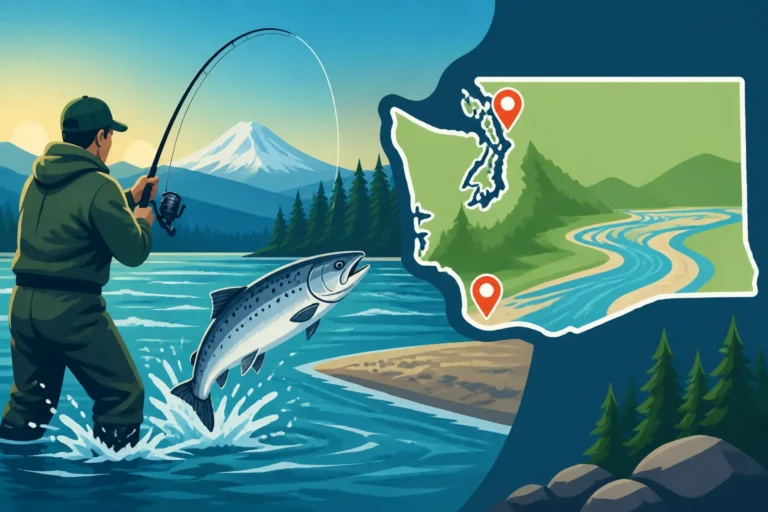
Washington's Best Rivers for Drift Fishing Steelhead
Washington is a steelhead angler's paradise, boasting a multitude of rivers that offer incredible drift fishing opportunities. Knowing where to go and what to expect can significantly enhance your experience.
Key Western Washington Steelhead Rivers
Western Washington is home to some of the most iconic steelhead rivers in the state, particularly known for their winter runs. The Snoqualmie River, easily accessible from Seattle, offers a great mix of runs and pools, and can be productive for both hatchery and wild steelhead. Further north, the Skykomish River is a larger system known for its powerful runs and consistent hatchery returns. It's a fantastic river to hone your drift fishing skills, with numerous access points for bank anglers and drift boaters alike. Many anglers visit the Skykomish Near Reiter Pond Hatchery in Washington.
The Cowlitz River in Southwest Washington is often called the "workhorse" of the state's steelhead fisheries, providing year-round opportunities for both summer and winter steelhead. Its varied terrain, from wide, open stretches to more intimate channels, makes it a prime candidate for drift fishing. The Kalama River, a tributary to the Columbia, is another productive option, particularly during the spring Chinook and winter steelhead seasons. On the Olympic Peninsula, rivers like the Sol Duc, Hoh, and Queets are world-renowned for their strong runs of large, wild winter steelhead. These rivers often demand longer drifts and careful presentation due to clearer water and highly wary fish. If you're looking for a genuine challenge and the chance at a truly magnificent fish, these coastal gems are hard to beat, though anglers must be mindful of Wild Steelhead Release Rules on Washington's Olympic Peninsula Rivers.
Eastern Washington's Drift Fishing Opportunities
While Western Washington often grabs the steelhead headlines, Eastern Washington offers unique and challenging drift fishing experiences, especially for summer-run steelhead. The Snake River and its tributaries, particularly the Grande Ronde and Clearwater rivers (the latter extending into Idaho but influencing fishing in the region), are famous for their strong summer steelhead runs. These rivers often feature canyon-like settings, clear water, and swift currents, making for intense and rewarding drift fishing. The tactics here might lean towards lighter leaders and more subtle presentations, as these fish can be extremely selective.
The Yakima River, while primarily known as a premier trout fishery, also sees a limited summer steelhead return. Drift fishing for these anadromous rainbows requires precision, often mimicking fly-fishing drifts with lighter gear. Even parts of the upper Columbia River and its tributaries can offer steelhead opportunities, though often mixed with other salmon species. While these Eastern Washington fisheries might be more remote, they offer breathtaking scenery and a unique angling adventure for those willing to explore.
Specific Considerations for Wild vs. Hatchery Steelhead Rivers
Washington's steelhead fisheries often differentiate between wild and hatchery-origin fish, and this distinction heavily influences regulations and fishing strategies. Hatchery steelhead, identifiable by a clipped adipose fin, are typically stocked to provide harvest opportunities. Rivers with strong hatchery programs, like the Cowlitz or Skykomish, often allow for retention of clipped fish within specific Understanding Washington's Daily Bag Limits by Species.
Wild steelhead, on the other hand, are the backbone of the natural ecosystem and are often protected by stringent catch-and-release rules, especially on rivers designated as wild steelhead gene banks. When fishing these rivers, like many on the Olympic Peninsula, your drift fishing approach must prioritize the fish's welfare. This means using barbless hooks (a requirement on many Washington rivers, as explained in Barbless Hook Requirements on Washington Rivers), minimizing fight time, and handling fish gently. Knowing whether you're fishing a wild or hatchery-focused river is crucial for ethical angling and compliance with Washington Fishing Regulations Every Angler Should Know, which you can find detailed in the Reading the Washington Sport Fishing Regulations Pamphlet.
Regulations and Conservation for Washington Steelhead
Fishing for steelhead in Washington comes with a responsibility to understand and adhere to the regulations designed to protect these incredible fish and their habitats. Navigating the rules can sometimes feel like a puzzle, but it's essential for sustainable angling.
Understanding Barbless Hook Requirements and Bait Bans
Two of the most common regulations you'll encounter when drift fishing for steelhead are barbless hook requirements and bait bans. Barbless hooks are mandatory on many Washington rivers, especially those with sensitive wild steelhead populations or during certain times of the year. The rationale is simple: barbless hooks cause less damage to fish, making catch-and-release much more effective and increasing the survival rate of released fish. You can buy barbless hooks, or easily crimp down the barb on a regular hook with a pair of pliers. It’s a simple act that makes a huge difference.
Bait bans are also frequently implemented, particularly during times when wild fish are abundant or vulnerable, or when specific methods are deemed too effective for conservation purposes. For instance, sections of some rivers might be "fly-fishing only" or "artificial lures and flies only," which explicitly prohibits the use of natural baits like roe or shrimp. Knowing Washington Bait Bans and When They Apply is critical before you even tie on your first piece of terminal tackle. Always check the latest regulations for your specific river and date before heading out, as these rules can change frequently.
Catch-and-Release Best Practices for Wild Steelhead
If you're fortunate enough to hook a wild steelhead in Washington, the chances are high that you'll be required to release it. Practicing proper catch-and-release techniques is vital for the survival of these fish. First and foremost, use a knotless, rubberized landing net if possible. These nets are far less damaging to the fish's delicate fins and slime coat than traditional nylon nets.
Once netted, try to keep the fish in the water as much as possible. If a photo is desired, be quick and support the fish horizontally with two hands. Avoid holding it vertically by the tail, as this can damage its internal organs. Remove the barbless hook gently with pliers or forceps. If the fish is bleeding, it's best to quickly release it. Allow the fish to recover in the current, supporting it until it can swim away strongly on its own. Remember, the goal is for that fish to spawn and continue the cycle, so responsible handling is paramount. Following these practices contributes directly to Catch-and-Release Rules During Wild Steelhead Closures.
Navigating Emergency Rule Changes and Seasons
One of the biggest frustrations for Washington anglers is the seemingly constant changes to fishing regulations, especially the in-season emergency rule changes. These changes, often enacted by the WDFW, are a necessary tool to manage fisheries in real-time, responding to fluctuating fish returns, escapement goals, and environmental conditions. Rivers can open or close for specific species, gear restrictions can change, or bag limits might be adjusted with very little notice. This phenomenon is why Emergency Rule Changes: Why Washington's Rules Shift Mid-Season exist.
The responsibility falls squarely on the angler to stay informed. Always check the WDFW website or their "Fish Washington" mobile app for the most up-to-date regulations before every fishing trip. Don't rely on last year's pamphlet or hearsay from other anglers, as rules can literally change overnight. Being caught unaware of a closure or a gear restriction can result in hefty fines and penalties. While these changes can be inconvenient, they are crucial for the long-term health of Washington's incredible steelhead fisheries, ensuring that future generations can also experience the thrill of drift fishing for these magnificent creatures. Always check the Washington Sport Fishing Seasons and Emergency Closures page before you hit the water.
Tips for Success and Common Mistakes to Avoid
Drift fishing for steelhead is a journey of continuous learning. Even after years on the river, there's always something new to observe, a technique to refine, or a condition to adapt to. Here are some overarching tips for success and common pitfalls to sidestep.
Patience and Persistence: The Steelhead Angler's Mantra
Let's be real: steelhead fishing is tough. There's a reason they're often called the "fish of a thousand casts." You can do everything right – perfect drift, prime water, ideal conditions – and still not get a bite. This is where patience and persistence become your greatest assets. Don't get discouraged by a slow morning or even a slow day. Keep making good casts, keep covering water thoroughly, and keep believing that the next drift could be the one.
Often, success comes to those who simply put in the time. The more casts you make, the more water you cover, the better your chances. But it's not just about quantity; it's about quality. Every cast should be a thoughtful attempt to present your bait perfectly. Think about what you might change – a different weight, a longer leader, a different color bead. Sometimes, just sitting down for a coffee break and observing the river, allowing a pool to rest, can make all the difference. Steelheading truly is a mental game as much as a physical one.
Safety First: Wading and River Hazards
Washington rivers can be beautiful but also incredibly dangerous, especially during steelhead season when flows are high and temperatures are low. Your safety must always be your top priority. Always wear a wading belt, which helps prevent water from filling your waders if you fall, acting as a tourniquet to slow water ingress. A PFD (Personal Flotation Device) is also a wise choice, particularly when fishing from a boat or wading in deep, swift currents.
Know your limits when wading. Never wade into water that is moving faster than your knees or deeper than your thighs. Use a sturdy wading staff for balance and to probe the bottom before stepping. The bottom of many Washington rivers can be slick with algae or unstable with large, loose rocks. Always fish with a buddy, or at least let someone know where you're going and when you expect to return. Hypothermia is a real threat in cold water, so dress in layers, wear quality waders and boots, and bring extra warm clothes. No fish is worth risking your life for.
Learning from Experience and Other Anglers
The best way to become a successful drift angler is to spend time on the water. Each trip, whether successful or not, offers valuable lessons. Pay attention to what worked and what didn't. Did you get bites in a specific type of water? Did a particular color bead seem more effective? Keep a mental (or even physical) log of conditions, locations, and successful tactics.
Don't be afraid to learn from other anglers. Most seasoned steelhead fishermen are a friendly bunch and happy to share advice, as long as you're respectful and not trying to crowd their spot. Observe how they cast, how they mend their line, and what gear they're using. Local tackle shops are also an invaluable resource for current river conditions, hot baits, and regulation updates. Remember, the journey of steelhead fishing is a shared one, and there's a lifetime of learning to be had on Washington's beautiful rivers.
Disclaimer
The information provided in this guide is for general informational purposes only. Fishing regulations, seasons, and river conditions in Washington State are subject to change rapidly by the Washington Department of Fish and Wildlife (WDFW). It is the sole responsibility of the angler to consult the most current WDFW regulations pamphlet, emergency rule changes, and local advisories before engaging in any fishing activity. Always prioritize safety and practice ethical angling.