Best Washington Trout for the Table
One of the greatest joys of fishing in Washington isn't just the tug on the line, but the delicious meal that follows. However, with so many incredible trout species swimming in our diverse waters, it can be tough to know which ones truly shine on the dinner table. This guide is dedicated to helping you identify the best-eating trout in Washington, understand what makes them so tasty, and give you some pointers on how to prepare them for an unforgettable culinary experience.
Understanding Washington's Edible Trout Species
Washington is a trout angler's paradise, offering a variety of species from high mountain lakes to expansive river systems. Each species has its own unique characteristics, not just in how they fight, but in how they taste. Let's dive into the most popular and palatable options you'll find here.
Rainbow Trout: The Widespread Favorite
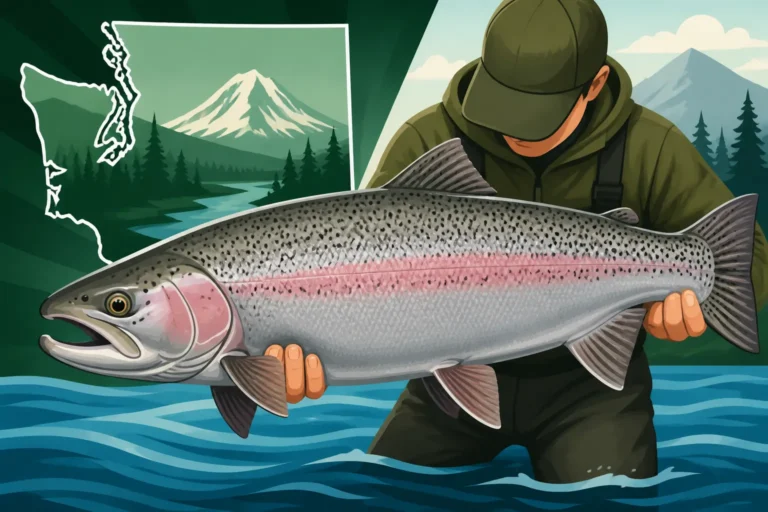
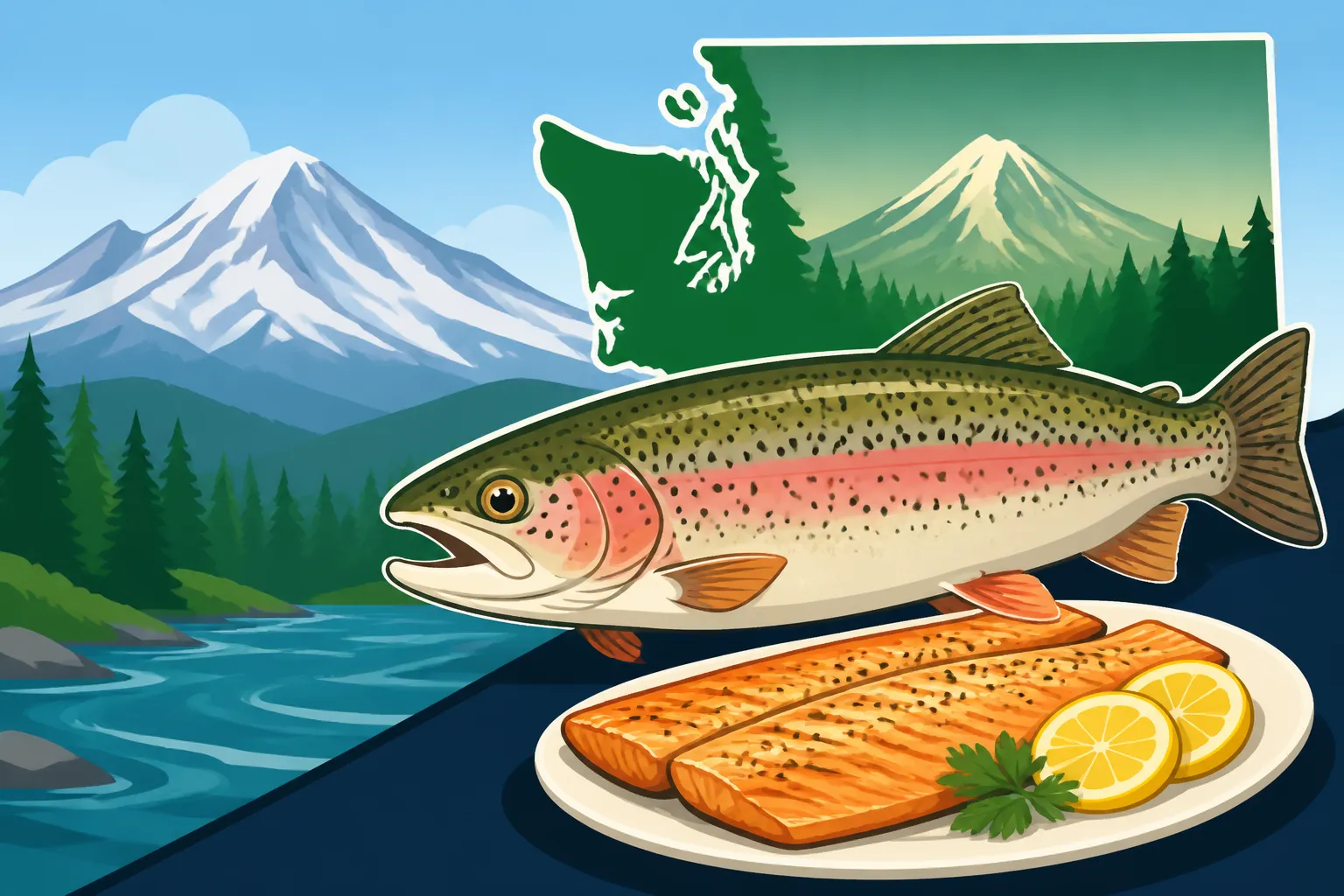
Rainbow trout are, without a doubt, the most common trout species anglers encounter in Washington, and for good reason—they're prolific, fun to catch, and generally delicious. You'll find them in countless lakes, ponds, and rivers across the state. Their flesh typically has a mild, delicate flavor and a flaky texture that makes them incredibly versatile for cooking.
When you're talking about table fare, the size of a rainbow trout matters. Smaller, pan-sized rainbows (think 10-14 inches) tend to have the most tender flesh and sweetest flavor. Larger trout can be excellent too, but sometimes their meat can become a bit firmer or develop a stronger "fishy" taste if not handled properly. Hatchery-raised rainbow trout, which are stocked in many of Washington's lakes, often have a milder flavor profile due to their pellet-based diet, making them a safe bet for even those who are new to eating fish. Wild rainbow trout, particularly those from pristine, cold waters, can have a slightly richer, more complex flavor, often with a subtle pinkish hue to their flesh from a diet of crustaceans and insects. For a comprehensive look at targeting these beauties, check out our guide on Rainbow Trout Fishing in Washington.
Cutthroat Trout: A Local Delicacy and Nuances
Cutthroat trout are another beloved species in Washington, known for their vibrant colors and, of course, that distinctive red slash under their jaw. The flavor of a cutthroat can vary quite a bit depending on where it's caught and what type it is. Resident cutthroat found in high mountain lakes or smaller streams tend to have flesh similar to rainbow trout—mild and flaky.
However, it's the sea-run cutthroat that often garners special attention from foodies. These anadromous fish spend part of their lives in saltwater, which can give their flesh a firmer texture and a richer, more pronounced flavor, sometimes with a lovely orange-red color. They're often compared to smaller salmon in taste. If you're lucky enough to catch one of these coastal gems, you're in for a treat. Just remember to be mindful of regulations, as many sea-run cutthroat fisheries are catch-and-release only or have very restrictive limits to protect wild populations. Our guide on Sea-Run Cutthroat in Washington's Puget Sound delves deeper into these unique fish. Learning to distinguish between species is key, and our article Cutthroat Trout vs Rainbow Trout in Washington can help you tell the difference.
Brook Trout: The High Mountain Gem
If you've ever hiked into a remote alpine lake in Washington, you might have been rewarded with a vibrant brook trout. These beautiful fish, with their distinctive worm-like markings and often reddish fins, are not native to Washington but have established healthy populations in many high-elevation waters. What they lack in size (they're usually quite small, often under 10 inches), they make up for in flavor.
Brook trout are renowned for their exceptionally delicate, sweet flesh. Their diet of high-quality aquatic insects in pristine, cold waters contributes to their superb taste. The meat is typically white and very tender, making them perfect for pan-frying whole. If you're looking for a gourmet experience from a small package, a brook trout from a secluded mountain lake is hard to beat. You can learn more about finding them in Brook Trout in Washington's Mountain Lakes.
Kokanee Salmon: Technically a Trout (and a Treat)
While often called "kokanee salmon," these landlocked sockeye are actually a subspecies of sockeye salmon and, biologically speaking, are considered a type of trout. Whatever you call them, they are absolutely fantastic to eat. Kokanee are found in several of Washington's deeper, colder lakes and are famous for their rich, deep orange-red flesh.
Their flavor is often described as sweet, rich, and distinctly salmon-like, but usually milder than their ocean-going sockeye cousins. This rich flavor and firm texture make them incredibly popular for grilling, smoking, or baking. Like other salmonids, their vibrant flesh color and high oil content are directly linked to their diet of small crustaceans, especially zooplankton. If you're keen to target these delicious fish, our Kokanee: Washington's Landlocked Sockeye guide is a great place to start.
Brown Trout: The Elusive European
Brown trout, another introduced species, are less common in Washington than rainbows or cutthroat, but they can be found in certain rivers and lakes, particularly in the eastern part of the state. They are known for being a bit more challenging to catch, often thriving in waters with good cover.
As table fare, brown trout are excellent, though their flavor can be slightly richer and their flesh a bit firmer than a rainbow. Some anglers describe their taste as nutty or earthy. Like other trout, the best-eating brown trout come from cold, clean water. Their flesh can range from white to a pale orange depending on their diet. If you're interested in the history of these fish in our state, check out Are Brown Trout Native to Washington?.
Factors Influencing Trout Flavor and Texture
It's not just about the species; several other elements play a crucial role in how good your trout will taste when it hits the plate. Being mindful of these factors can elevate a good meal to an exceptional one.
Diet and Habitat: What a Trout Eats Matters
Think of trout like grapes for wine—their terroir, or environment, profoundly affects their final flavor. A trout's diet is perhaps the most significant factor. Trout that feed predominantly on insects, crustaceans (like scuds or freshwater shrimp), and small baitfish in cold, clean water will generally have the best flavor and often a more vibrant, reddish flesh. This is particularly true for kokanee, whose plankton-rich diet gives them their signature color and rich taste.
Conversely, trout caught in warmer, murkier waters, or those that have been feeding heavily on certain algae or bottom-dwelling organisms, might sometimes have a "muddy" or "off" flavor. This isn't always the case, but it's a common observation. Cold water keeps their metabolism slow and their flesh firm and clean-tasting, which is why spring-fed streams and deep, clear lakes often produce the most prized table fare.
Size and Age: A Balancing Act
While it's tempting to think bigger is always better, when it comes to eating trout, this isn't always true. For most species, pan-sized fish—typically between 10 to 16 inches—offer the best balance of delicate flavor and tender texture. These younger fish haven't had as much time to accumulate strong flavors or toughen up.
Larger, older trout, especially those over 20 inches, can sometimes have coarser flesh, or develop a more pronounced, often "fishier" taste. While still edible, they might require different cooking methods, such as brining or smoking, to bring out their best qualities. Of course, this is a generalization, and a large wild trout from pristine water can still be absolutely phenomenal. The key is to enjoy trout from varied sizes and determine your personal preference.
Handling Your Catch: From Water to Plate
This is arguably the most critical factor, regardless of species or size. Poor handling can ruin even the finest trout. The moment you land a fish you intend to keep, proper care is essential to preserve its quality.
- Bleed Immediately: If you're keeping a trout, the first step should be to bleed it. This removes blood from the flesh, which can contribute to a stronger, less pleasant taste and faster spoilage. A quick cut to the gills or throat, followed by placing the fish head-down in a bucket of water or allowing it to bleed out on the bank, is effective.
- Gut Promptly: As soon as possible, gut your fish. Removing the internal organs prevents digestive enzymes from breaking down the flesh and removes any contents that could taint the flavor.
- Chill Rapidly: This cannot be stressed enough. Get your fish on ice immediately. A quality cooler filled with ice (not just cold water) is essential. The colder you keep the fish, the slower bacterial growth will occur, and the fresher the meat will taste. A good cooler, like those found readily on Amazon, is an investment that pays dividends in fish quality. Avoid leaving fish exposed to direct sunlight or warm air in a bucket of water, as this will quickly degrade the meat.
- Keep it Clean: Avoid letting your fish flop around on dirty ground or come into contact with excessive dirt and debris. Clean water for rinsing is always a good idea.
By following these simple steps, you'll ensure that the delicious trout you caught makes it to your table in peak condition, showcasing its natural flavors.
Preparing Your Washington Trout for Optimal Taste
So you've caught and properly cared for your Washington trout. Now comes the exciting part: cooking it! Trout is incredibly versatile, and often, the simpler the preparation, the better, allowing the natural flavors of the fish to shine.
Simple Cooking Methods to Enhance Flavor
Trout's delicate nature means it cooks quickly and doesn't need much fuss. Here are some tried-and-true methods:
- Pan-Frying: This is a classic for a reason, especially for pan-sized trout. Lightly dust the whole, gutted fish (or fillets) with seasoned flour, cornmeal, or simply salt and pepper. Fry in butter or a mix of butter and olive oil until the skin is crispy and the flesh flakes easily. It's quick, easy, and brings out a wonderful tenderness.
- Baking/Roasting: For slightly larger fish or when you're feeding a crowd, baking is a fantastic option. Place whole trout or fillets on a baking sheet. You can stuff whole trout with herbs, lemon slices, and aromatics like garlic and onion. Drizzle fillets with olive oil, lemon juice, salt, and pepper. Bake at 375-400°F (190-200°C) until cooked through, typically 12-18 minutes depending on thickness.
- Grilling: Grilling imparts a lovely smoky flavor. For whole trout, ensure the grates are well-oiled to prevent sticking. Stuff with herbs and lemon, then grill over medium-high heat, flipping once, until cooked. Fillets can be grilled in a fish basket or wrapped loosely in foil with vegetables and seasonings to prevent drying out. A good set of grilling tools can be found on Amazon to make this easier.
- Broiling: Similar to baking but with more intense direct heat from above, broiling gives a nice crust. Brush fillets with butter or oil, season, and broil a few inches from the heat source for 5-8 minutes, watching carefully to prevent burning.
Remember, trout is done when its flesh turns opaque and flakes easily with a fork. Overcooking will dry it out and diminish its delicate flavor.
Recipe Ideas and Flavor Pairings
Trout's mild flavor makes it a canvas for many different ingredients.
- Lemon-Dill: A timeless combination. Fresh dill and lemon slices (both inside and out if cooking whole) complement trout perfectly. A squeeze of fresh lemon juice just before serving brightens everything.
- Almondine: A classic French preparation involving toasted almonds in brown butter. Pan-fry your trout, then remove it from the pan. In the same pan, melt butter, add slivered almonds, and cook until golden. Pour over the fish.
- Garlic and Herbs: Minced garlic, parsley, chives, thyme, and rosemary all pair wonderfully with trout. Fresh herbs are always best if you have them.
- Spicy Kick: For those who like a little heat, a dusting of cayenne pepper, smoked paprika, or a sprinkle of red pepper flakes can add a nice dimension.
- Asian Inspired: A marinade of soy sauce, ginger, garlic, and a touch of sesame oil can transform trout into a savory, umami-rich dish, especially good baked or grilled.
Don't be afraid to experiment with what you have on hand. Fresh, quality ingredients will always yield the best results.
Storage and Freezing Your Catch
While fresh trout is undoubtedly the best, sometimes you catch more than you can eat right away. Proper storage and freezing are crucial for maintaining quality.
- Refrigeration: Fresh, whole, gutted trout can be stored on ice in the refrigerator for 1-2 days. Fillets, wrapped tightly in plastic wrap or placed in an airtight container, will last 1-2 days as well.
- Freezing: For longer storage, freezing is the way to go. The key is to protect the fish from freezer burn.
- Rinse and Pat Dry: Before freezing, rinse your fillets or whole, gutted fish under cold water and pat them thoroughly dry with paper towels. Excess moisture can lead to freezer burn.
- Vacuum Seal: This is by far the best method. A vacuum sealer (you can find many models on Amazon) removes all air from the packaging, preventing freezer burn and preserving flavor and texture for several months, often up to a year.
- Water Glaze (for whole fish): If you don't have a vacuum sealer, you can create a protective ice glaze for whole fish. Freeze the fish solid on a baking sheet, then dip it in cold water. The water will freeze, forming a thin ice layer. Repeat this 2-3 times until a good glaze forms. Wrap the glazed fish tightly in plastic wrap, then in foil, and place in a freezer bag.
- Freezer Bags: For fillets without a vacuum sealer, place them in freezer bags, remove as much air as possible (you can often do this by submerging the bag in water up to the zipper and then sealing), and then wrap the bag in foil for an extra layer of protection.
Always label your frozen fish with the date it was caught and frozen, so you can use it within a reasonable timeframe.
Ethical Harvesting and Conservation Considerations
Enjoying the bounty of Washington's trout fisheries also comes with a responsibility to understand and respect the regulations and conservation efforts in place. Sustainable fishing ensures these delicious species remain abundant for generations to come.
Understanding Bag and Size Limits
Every trout angler must be familiar with the current fishing regulations for the specific waters they are fishing. Bag limits specify the maximum number of fish you can keep in a day, while possession limits dictate how many fish you can have in your possession at any given time (which might be higher than the daily bag limit if you're on a multi-day trip, for example). Size limits might specify a minimum length, a maximum length, or even a slot limit (where only fish within a certain size range can be kept).
These rules are not arbitrary; they are designed to manage fish populations sustainably, allowing enough fish to survive and spawn, or to protect certain age classes. Always consult the most current Washington Sport Fishing Regulations pamphlet or the WDFW website before heading out. Our guide on How Bag and Possession Limits Work in Washington provides a good overview, and for quick reference on finding the rules, see Reading the Washington Sport Fishing Regulations Pamphlet.
Wild vs. Hatchery Trout
Washington's waters are home to both wild and hatchery-raised trout. Hatcheries play a vital role in providing fishing opportunities, especially in lakes and rivers where natural reproduction might not support high angler demand. Hatchery trout are often identifiable by a missing adipose fin (a small fleshy fin on their back near the tail), which is clipped as juveniles.
Wild trout are often prized for their beauty, their hard-fighting nature, and for some, their superior flavor which is attributed to their natural diet and genetics. However, wild populations are often more vulnerable to fishing pressure. Many regulations are specifically designed to protect wild trout, sometimes requiring their immediate release, especially for species like steelhead, as detailed in Wild Steelhead vs Hatchery Steelhead in Washington. When deciding what to keep for the table, consider the source and follow the regulations closely to ensure you're not inadvertently harming a vulnerable wild population.
The Importance of Selective Harvest
Selective harvest is a mindset where anglers consciously choose which fish to keep and which to release, even when legally permitted to keep more. This approach prioritizes keeping fish that are best for eating (often the pan-sized ones) and releasing larger, potentially older, and more valuable breeding fish (especially wild ones) back into the water to reproduce.
For example, if you catch several trout that are all legal, consider keeping only a couple of the prime pan-sized fish and releasing the rest. This practice helps maintain healthy fish populations and ensures future fishing opportunities. It's a way to be a responsible steward of Washington's amazing fishing resources while still enjoying a delicious meal.
Ultimately, the "best" Washington trout for the table is often a matter of personal preference, influenced by the unique characteristics of each species, their environment, and how carefully you handle and prepare your catch. By understanding these nuances, you'll be well on your way to enjoying some of the finest freshwater fish Washington has to offer.
Disclaimer
This article is for general informational purposes only and does not constitute professional advice. Laws, prices and regulations vary by location and change over time. Consult a qualified professional for guidance on your specific situation.