Westport, Washington Halibut and Tuna Charters
There's nothing quite like the dream of heading out into the vast Pacific Ocean, feeling the spray of salt water on your face, and knowing that beneath the waves, giant halibut and lightning-fast tuna are waiting. For many anglers, the journey to Westport, Washington, is the first step in making that dream a reality. But if you've never chartered a boat for deep-sea fishing before, or even if you have but are new to the Washington coast, the sheer amount of planning, questions, and regulations can feel overwhelming. This guide is here to cut through the confusion and help you prepare for an unforgettable halibut and tuna charter experience out of Westport.
Why Westport for Halibut & Tuna?
Westport isn't just a dot on the map; it's a legendary fishing town on Washington's Pacific Coast. For decades, it's been the go-to launching point for anglers seeking some of the most exciting and productive saltwater fishing adventures in the Pacific Northwest. There’s a palpable energy here, especially when the fishing seasons for prized species like halibut and albacore tuna are in full swing.
The Allure of Washington's Coastline
What makes Westport such a prime departure point for deep-sea fishing is its unique geographical location. Sitting right at the mouth of Grays Harbor, it offers relatively quick access to the open ocean, where the continental shelf drops off, creating rich feeding grounds for a variety of marine life. This means less travel time to the fishing grounds and more time with lines in the water – a huge plus when you're paying for a full day on a charter.
The waters off Westport are part of a vibrant ecosystem, influenced by nutrient-rich upwellings and diverse underwater topography. These conditions draw in vast schools of baitfish, which in turn attract larger predatory species like halibut and tuna. Over the years, Westport has earned its reputation as a consistent producer of trophy-sized halibut and incredible runs of albacore, making it a bucket-list destination for serious anglers and first-timers alike.
A Legacy of Deep-Sea Fishing
Westport isn't just about the fish; it's about the heritage. This town has a deep-rooted history in commercial and sport fishing, and that legacy is evident everywhere you look. From the bustling docks where charter boats tie up, to the seafood restaurants serving up the day's fresh catch, fishing is the lifeblood of Westport. The local community thrives on it, and the captains and crews who run the charters are often multi-generational fishermen with an intimate knowledge of these waters.
This deep local knowledge is invaluable. These captains have spent countless hours studying currents, tides, baitfish movements, and the migratory patterns of target species. They know the subtle nuances that can make or break a fishing day, from where to find the "Halibut Holes" to tracking down elusive tuna schools far offshore. When you book a charter out of Westport, you're not just getting a ride on a boat; you're tapping into a wealth of experience and expertise that significantly increases your chances of a successful and memorable trip.
Understanding Washington's Halibut Seasons
If there's one thing you absolutely must understand before planning a halibut trip to Westport, it's the season. Washington's halibut fishery is among the most tightly regulated and anticipated in the entire state, and for very good reason. Halibut are a prized species, slow-growing and highly susceptible to overfishing, which means the seasons are often incredibly short, sometimes lasting only a handful of days.
The Short, Intense Halibut Season
Imagine planning your dream fishing trip, only to find out the season for your target species is just four days long, and those days are only on Thursdays and Saturdays in May and June. That's often the reality of halibut fishing in Washington. The Washington Department of Fish and Wildlife (WDFW), in conjunction with federal agencies, sets these seasons with meticulous care, using data from stock assessments and catch quotas. The goal is always conservation first, ensuring these magnificent fish are around for generations to come.
What this means for you, the angler, is that booking early is not just recommended, it's absolutely essential. Halibut charter spots, especially on the best boats, fill up incredibly quickly – often months in advance. Many regulars re-book their spots for the following year the moment they step off the boat from their current trip! If you wait until spring to try and find a charter, you'll likely be out of luck unless you're incredibly flexible or willing to go on a waitlist. It's a true race against the clock, but the reward of landing a barn-door halibut makes it all worthwhile. For current season dates, always check the WDFW website, as they can change even mid-season due to catch rates. You'll want to keep an eye on Washington's 2026 Halibut Fishing Days as dates become available.
Marine Areas and Their Unique Rules
Washington's coast is divided into various Marine Areas, and Westport primarily fishes Marine Area 2. Each area can have slightly different opening dates, closing dates, and sometimes even differing bag limits or gear restrictions. It's a complex system, designed to manage localized fish stocks and distribute fishing effort. While your charter captain will be intimately familiar with the specific rules for the area you're fishing, it's still good for you to have a general awareness.
For example, sometimes different depths might be open or closed, or there might be specific days for primary halibut fishing versus incidental catches while targeting other species. This adds another layer of complexity to planning, but again, your charter operator is your best resource for navigating these specifics. They stay on top of every emergency rule change and season modification. Getting familiar with the overall Washington Fishing Regulations Every Angler Should Know will give you a solid foundation, even if your captain handles the specifics on the day of your trip.
The Thrill of Tuna Fishing from Westport
While halibut fishing offers the anticipation of a deep-water battle, targeting albacore tuna out of Westport is an entirely different beast – a high-octane, fast-paced chase across the open ocean. If you love action and don't mind a longer run offshore, tuna fishing can be an incredibly rewarding and exhilarating experience.
Chasing Albacore in the Open Ocean
Albacore tuna are built for speed, torpedo-shaped predators that patrol the vast expanses of the Pacific, often hundreds of miles offshore. When a school of albacore hits your trolling spread, it's not uncommon for multiple rods to go off simultaneously, leading to what's often called a "tuna frenzy." Picture this: the boat lights up with screaming reels, anglers are scrambling to grab rods, and the deck becomes a controlled chaos of pure adrenaline as everyone battles a strong, determined fish that pulls like a freight train.
The "run and gun" style of tuna fishing means your captain is constantly searching for signs of life – bird activity, bait balls, and temperature breaks on the sonar. Once a school is located, it’s a dynamic dance of trolling through them, then perhaps switching to casting jigs or live bait once the boat is stopped. It's a full-body workout and a truly immersive experience that leaves you breathless and buzzing long after the fight is over. The commitment to chase these fish means you'll travel a significant distance from shore, often 40 to 80 miles or more, depending on where the warm water currents and bait are holding. Understanding How Far Offshore to Troll for Washington Albacore Tuna is key to appreciating the adventure.
When to Find Tuna Off Westport
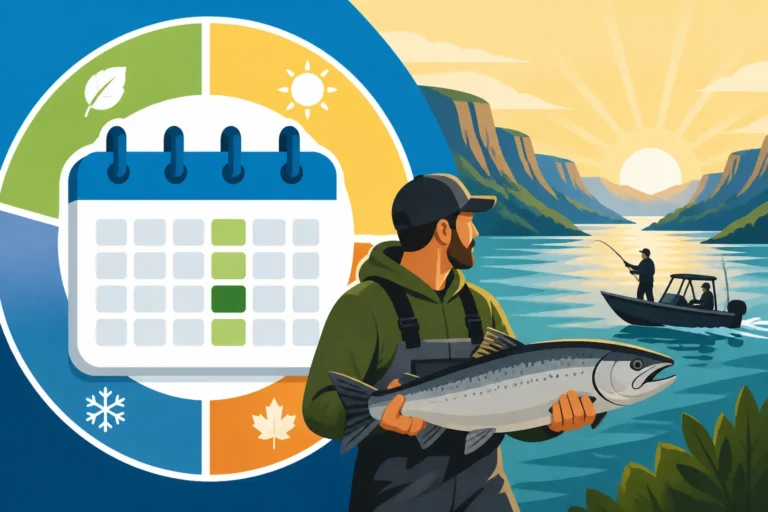
Albacore tuna are highly migratory, following warm ocean currents and their food source. This means their presence off the Washington coast is very seasonal, typically occurring in the late summer months. You're usually looking at a window from July through September, though exact timing can vary significantly from year to year based on oceanographic conditions. Water temperature is the primary driver; albacore prefer warmer waters, usually above 60-62 degrees Fahrenheit.
Factors like El Niño or La Niña weather patterns can dramatically influence how close these warm water "tuna highways" come to shore. Some years, they're within a relatively comfortable run, while other years might require a much longer journey to find them. Your charter captain will be monitoring sea surface temperatures and fishing reports religiously to determine the best windows for tuna trips. If you're hoping to experience this thrilling fishery, make sure you align your trip with the general Time of Year Albacore Season Runs in Washington and communicate your interest in tuna to your charter well in advance.
Booking Your Charter: What to Look For
Choosing the right charter for your Westport halibut and tuna adventure is paramount to having a successful and enjoyable trip. It's not just about getting on a boat; it's about finding the right fit for your expectations, budget, and desired experience. Don't just pick the first name you see; do a little homework!
Choosing the Right Charter Boat and Captain
When you're looking for a charter, you're essentially entrusting your safety, your time, and your fishing dreams to a captain and their crew. So, what should you look for? First and foremost, experience and reputation. A seasoned captain will have a deep understanding of the local waters, weather patterns, and, most importantly, where the fish are biting. Don't hesitate to read reviews, ask for referrals, and check out their online presence. How long have they been operating? Do they specialize in halibut and tuna, or are they a generalist?
Boat size and amenities are also worth considering. Are you looking for a nimble, fast boat that gets you to the tuna grounds quicker, or a larger, more stable vessel for a halibut trip that might involve longer periods of drifting? Ask about the boat's safety equipment, electronics (fish finders, radar), and comfort features like a heated cabin or a private head (restroom). A good captain will also prioritize safety above all else, making sure everyone understands emergency procedures and follows best practices. Platforms like FishingBooker can be a great resource here, as they often have detailed boat descriptions, captain bios, and customer reviews all in one place, making it easier to compare options. For more general advice on picking a boat, check out How to Book a Fishing Charter in Washington.
Shared vs. Private Trips: Which is Right for You?
One of the biggest decisions you'll make when booking is whether to opt for a shared (or "open party") trip or a private charter. Both have their distinct advantages and disadvantages.
Shared trips are typically more budget-friendly. You pay for a single spot on the boat, and you'll be fishing alongside other anglers who have also booked individual spots. This can be a fantastic way to meet new people, share stories, and learn from more experienced fishermen. However, it also means you're sharing the space, the fishing spots, and the captain's attention with a full boat of strangers. If one person hooks a fish, everyone might have to reel in to avoid tangles. It's a great option for solo anglers or small groups who don't mind a more communal experience.
Private charters, on the other hand, offer exclusivity. You book the entire boat for your group, whether it's just two of you or a full six-pack. This gives you much more flexibility in terms of target species, fishing locations (within reason), and even departure times. The captain and crew's attention is entirely focused on your party, and you can enjoy the camaraderie of your friends and family without outside interference. The trade-off, of course, is the cost – a private charter is significantly more expensive than individual spots on a shared trip, but if you have a group of four to six people, the per-person cost can become quite reasonable. Consider your group size and budget carefully when making this choice. For a deeper dive, read Shared vs Private Fishing Charters in Washington.
What's Included and What's Not?
Before you commit to a charter, make sure you have a clear understanding of what your trip fee covers. Most reputable charters will provide:
- Rods and Reels: High-quality gear appropriate for halibut and tuna.
- Bait and Tackle: Everything from herring and squid to jigs and trolling lures.
- Safety Equipment: Life jackets, first-aid, flares, etc., as required by the Coast Guard.
- Experienced Crew: Deckhands to assist with setting lines, landing fish, and general help.
However, there are several things that are almost never included, and you'll need to budget for them:
- Fishing License and Endorsements: This is solely your responsibility.
- Food and Beverages: Pack your own snacks, lunch, and drinks.
- Rain Gear and Appropriate Clothing: Dress for the unpredictable Pacific Northwest weather.
- Seasickness Medication: If you're prone to motion sickness, bring your own.
- Fish Processing: While many charters will "gut and gaff" your fish, professional filleting, skinning, and vacuum-packing services are usually an extra cost.
- Tips for the Crew: Crucial and customary!
Many booking platforms, including FishingBooker, do a good job of detailing what's included in a charter's price, so always read the fine print. It's always better to ask questions upfront than to be surprised on the day of your trip. Don't be shy; a good charter operator will be happy to clarify. This is pretty standard across the board, similar to what you'd expect on What's Included in a Washington Puget Sound Salmon Charter.
Preparing for Your Ocean Adventure
A successful and enjoyable Westport fishing trip goes beyond just booking the right boat; it involves a bit of preparation on your part. The open ocean can be unpredictable, so being prepared for various conditions and having all your essentials in order will make a huge difference in your comfort and enjoyment.
Essential Gear and Clothing for the Coast
The weather on the Washington coast can change in an instant. What starts as a sunny morning can quickly turn into a cool, misty, or even rainy afternoon, even in summer. The key to staying comfortable is layering. You'll want several layers that you can add or shed as needed.
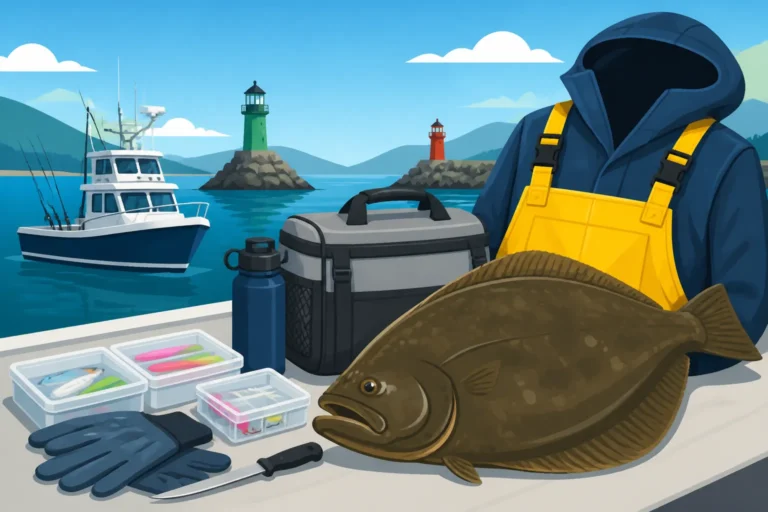
Start with a moisture-wicking base layer, add a fleece or wool mid-layer for warmth, and top it all off with a waterproof and windproof outer shell. This is non-negotiable. Even on a clear day, the spray from the ocean can soak you. A good quality pair of waterproof pants is just as important as a waterproof jacket. Don't forget a warm hat (even in summer, a beanie is often appreciated), gloves, and sturdy, non-slip waterproof boots or deck shoes. Leave the flip-flops at home! Sunglasses are also crucial for cutting glare and protecting your eyes. For a full checklist, you might want to look at What to Bring on a Washington Fishing Charter.
Battling Seasickness: Tips and Tricks
Seasickness can ruin an otherwise perfect day on the water, and it can affect anyone, even experienced anglers. Don't let pride prevent you from taking precautions. It's far better to be safe than sorry.
Here are some tried-and-true tips:
- Medication: Over-the-counter options like Dramamine or Bonine work for many. Start taking them the night before your trip, and then again in the morning, as directed. Prescription patches (Scopolamine) are also an option and often very effective, but require a doctor's visit in advance.
- Ginger: Natural remedies like ginger chews, ginger ale, or ginger snaps can help settle a queasy stomach.
- Stay Hydrated and Eat Light: Avoid greasy or heavy foods before and during your trip. Stick to bland snacks. Drink plenty of water.
- Focus on the Horizon: When you're feeling queasy, try to keep your eyes fixed on the distant horizon rather than looking down at the deck or at your phone.
- Fresh Air: Stay on the deck in the fresh air if possible, rather than going below into the cabin, which can exacerbate symptoms.
- Avoid Strong Smells: The smell of diesel fumes or bait can sometimes trigger seasickness for sensitive individuals. Try to find a spot with good ventilation.
Communicate any concerns to your captain or crew. They've seen it all and can often offer practical advice or a quiet place to sit. Nobody wants you to be miserable on their boat! If you're seriously concerned, reviewing tips like those in How to Avoid Seasickness on a Halibut Trip can be very helpful.
Licenses and Endorsements You'll Need
This is one of those crucial administrative steps that can easily be overlooked but will get you into serious trouble if you don't have it. Every angler on board, regardless of age, needs a valid Washington State fishing license to fish for halibut or tuna. Even if you're only planning to do catch-and-release, a license is required.
For ocean fishing, you'll generally need a Saltwater license, or a Combination license if you plan to fish freshwater during your trip as well. While there isn't a specific "tuna endorsement," halibut fishing often requires a special Halibut Endorsement, which is typically included with certain license packages or purchased separately. It's your responsibility to ensure you have the correct license and any necessary endorsements before you step onto the boat. You can usually purchase these online through the WDFW website, at license vendors, or sometimes even directly at the marina stores in Westport.
Crucially, you'll also need a Catch Record Card if you're targeting species like halibut, which are listed on the card. This is a physical card (or a digital one via the Fish Washington app) where you record your kept fish, even if your captain helps you fill it out. This data is vital for fisheries management. Make sure you understand the requirements for The Washington Catch Record Card and What It Requires before your trip. Nonresidents should particularly pay attention to Washington Fishing License Guide for Nonresidents to ensure they're compliant.
On the Water: What to Expect During Your Trip
So, you've booked your charter, packed your gear, and navigated the license labyrinth. Now it's time for the main event! The experience of fishing for halibut and tuna is quite different, so let's break down what you can anticipate for each.
Halibut Tactics: Deep Dropping and Patient Waiting
Halibut fishing off Westport is a game of patience, heavy tackle, and brute strength. You'll typically head out to depths ranging from 200 to 600 feet, sometimes even deeper, where these bottom-dwelling flatfish lurk. The gear is robust: heavy-duty rods, large conventional reels spooled with strong braided line, and sinkers that can weigh over a pound to get your bait down to the bottom in strong currents.
Once you reach the fishing grounds, the captain will position the boat, often using a sea anchor or precise GPS positioning, to drift over known halibut haunts. You'll be dropping a baited hook (often using herring, octopus, or salmon bellies) or a large jig right to the seafloor. The technique involves a slow jigging motion or simply holding the bait just off the bottom. A halibut bite can range from a subtle tap-tap to a violent thud that nearly rips the rod from your hands. When you get that strike, you set the hook hard and begin the long, strenuous process of reeling a heavy, powerful fish up from the deep. It's a true test of endurance, often involving a lot of pumping and winding, but the sight of a massive "barn door" halibut breaking the surface is a moment of pure triumph. This type of deep-water fishing is covered well in Halibut Fishing Techniques for the Washington Coast.
Tuna Tactics: Trolling, Casting, and the Frenzy
Tuna fishing, as mentioned, is a vastly different experience, characterized by speed, excitement, and often a lot of boat movement. After a potentially long run offshore, your captain will begin searching for signs of albacore. This often involves trolling a spread of multiple lures behind the boat at speeds typically between 6 and 10 knots. These lures are designed to imitate baitfish and attract the attention of passing tuna schools.
When a tuna hits, the reel screams, and the fight is on! Albacore are incredibly powerful and fast, making long, blistering runs. You'll be fighting the fish standing up, often in a fighting harness if it's a particularly large one. Once a school is located and actively biting, the captain might switch tactics to "stop and cast" – bringing the boat to a halt and having anglers cast jigs or live bait into the boiling mass of feeding tuna. This can lead to multiple hookups simultaneously, creating that exhilarating tuna frenzy where the deck is alive with action. It's a high-energy, physically demanding, and immensely fun form of fishing that really gets the blood pumping. To learn more about this exciting method, check out How to Fish for Albacore Tuna Off Westport.
After the Catch: Processing and Transporting Your Fish
Congratulations, you've landed your trophy! But the adventure isn't quite over. Now you need to think about how to get your prized catch from the boat, home, and ultimately onto your dinner table. Proper handling and processing are crucial for preserving the quality and flavor of your fish.
Cleaning and Filleting Your Prize
Most charter boats will offer basic fish cleaning services, often referred to as "gutting and gaffing." This means the crew will gut your fish and possibly remove the head, preparing it for transport back to the dock. However, what they usually don't do is full filleting, skinning, or portioning.
Once you're back at the Westport marina, you'll find several commercial fish processing businesses located right near the docks. For a fee, these professional processors will take your whole fish, fillet it, remove the skin and bloodline, and often cut it into manageable portions. They might even offer vacuum-packing services, which is ideal for freezing and long-term storage, sealing in the freshness and preventing freezer burn. It's a worthwhile investment, especially for large fish like halibut or a cooler full of tuna, as it ensures your hard-earned catch is handled correctly and ready for cooking or freezing. Discussing these options with your captain beforehand can help you plan.
Getting Your Catch Home: Fresh or Frozen
Transporting your catch effectively is key to enjoying it later. For shorter drives, a good quality cooler packed generously with ice is often sufficient. Make sure the cooler is well-insulated and that the fish is either in plastic bags on top of ice or fully surrounded by it, with the drain plug open to let meltwater escape.
If you're flying or have a long drive, freezing your fish becomes a more practical option. This is where professional processors really shine, as their vacuum-sealed, portioned fish can be flash-frozen. For flying, check with your airline regarding their policies on transporting frozen seafood. Most airlines allow it as checked baggage, but there may be specific packing requirements (e.g., in a hard-sided cooler, well-sealed, no leaks). Some airlines count it as a standard checked bag, while others might charge an oversized fee if the cooler is too large or heavy. Dry ice is sometimes an option, but you'll need to check airline rules carefully, as there are strict regulations on its use. Remember to clarify these details with your airline well in advance of your travel date. For more detailed advice, you can check out How to Ship Fish Home From Washington and How to Package Fish for the Flight Home.
| Fish Handling Step | Description | Typical Responsibility |
|---|---|---|
| On-Boat Care | Bleeding, gutting, chilling in saltwater ice slurry | Charter Crew |
| Basic Cleaning | Head removal, initial wash | Charter Crew (often) |
| Filleting | Removing meat from bone, skinning | Professional Processor |
| Portioning | Cutting fillets into meal-sized pieces | Professional Processor |
| Vacuum Sealing | Air-tight packaging for freezing/storage | Professional Processor |
| Freezing | Flash-freezing or deep-freezing | Professional Processor |
| Transport | Packing in coolers for car or air travel | Angler |
Common Questions and Planning Tips
Even with all the details covered, a few common questions always pop up when planning a Westport fishing trip. Let's address some of these to help you finalize your plans and ensure a smooth, enjoyable experience.
Tipping Your Crew: What's Customary
This is a frequently asked question, and for good reason! Tipping your charter captain and crew is not just a nice gesture; it's customary and a significant part of their income, especially for the deckhands who work tirelessly throughout the day. These folks put in long hours, often starting well before dawn, to get you on the fish, ensure your safety, and provide excellent service.
A good rule of thumb for tipping is 15-20% of the total charter cost. If you're on a shared trip, calculate 15-20% of your individual spot price. For a private charter, calculate 15-20% of the entire boat's fee. It's typically given directly to the captain at the end of the trip, who then distributes it amongst the crew. If the crew went above and beyond, or if you had an exceptional day, a higher tip is always appreciated. Think about how much effort they put in, how helpful they were, and how safe and fun your trip was. For more insights into this, refer to Tipping Etiquette for Washington Fishing Guides.
Dealing with Cancellations and Weather
The Pacific Ocean is a powerful force, and sometimes, even the best-laid plans are thwarted by Mother Nature. Weather cancellations are a reality of ocean fishing, especially out of Westport where offshore conditions can shift rapidly. Reputable charter operators will always prioritize safety. If the captain deems the weather or sea conditions unsafe or too rough for an enjoyable trip, they will cancel. This decision is usually made with your safety and comfort in mind, not lightly.
Most charters have clear cancellation policies. If the captain cancels due to weather, you'll typically be offered a full refund or the option to reschedule for another date. If you cancel, it usually depends on how much notice you give. Short-notice cancellations by the client often result in a lost deposit or full payment. It’s always best to discuss the charter's specific cancellation policy when you book and to have some flexibility in your schedule if possible, especially when booking those highly coveted halibut dates. Don't be afraid to ask about What Happens If Weather Cancels a Washington Charter before you put down your deposit.
Making the Most of Your Westport Visit
Beyond the fishing itself, Westport offers a charming coastal town experience that's worth exploring. Consider arriving the day before your charter to settle in, explore the marina, and soak up the atmosphere. You'll find a variety of lodging options, from hotels and motels to vacation rentals.
The town boasts several excellent seafood restaurants where you can enjoy local fare, and plenty of shops to browse for souvenirs or additional fishing gear. If you have extra time, consider visiting the Westport Maritime Museum, exploring the Westport Lighthouse, or taking a stroll along the beach. Making your fishing trip part of a broader coastal getaway can enhance the entire experience, giving you more than just a day on the water to remember. You could even check out local clam digging seasons if you're there at the right time of year, or explore other nearby attractions.
Disclaimer
This article is for general informational purposes only and does not constitute professional advice. Laws, prices and regulations vary by location and change over time. Consult a qualified professional for guidance on your specific situation.