Where to Fish the Nisqually Delta
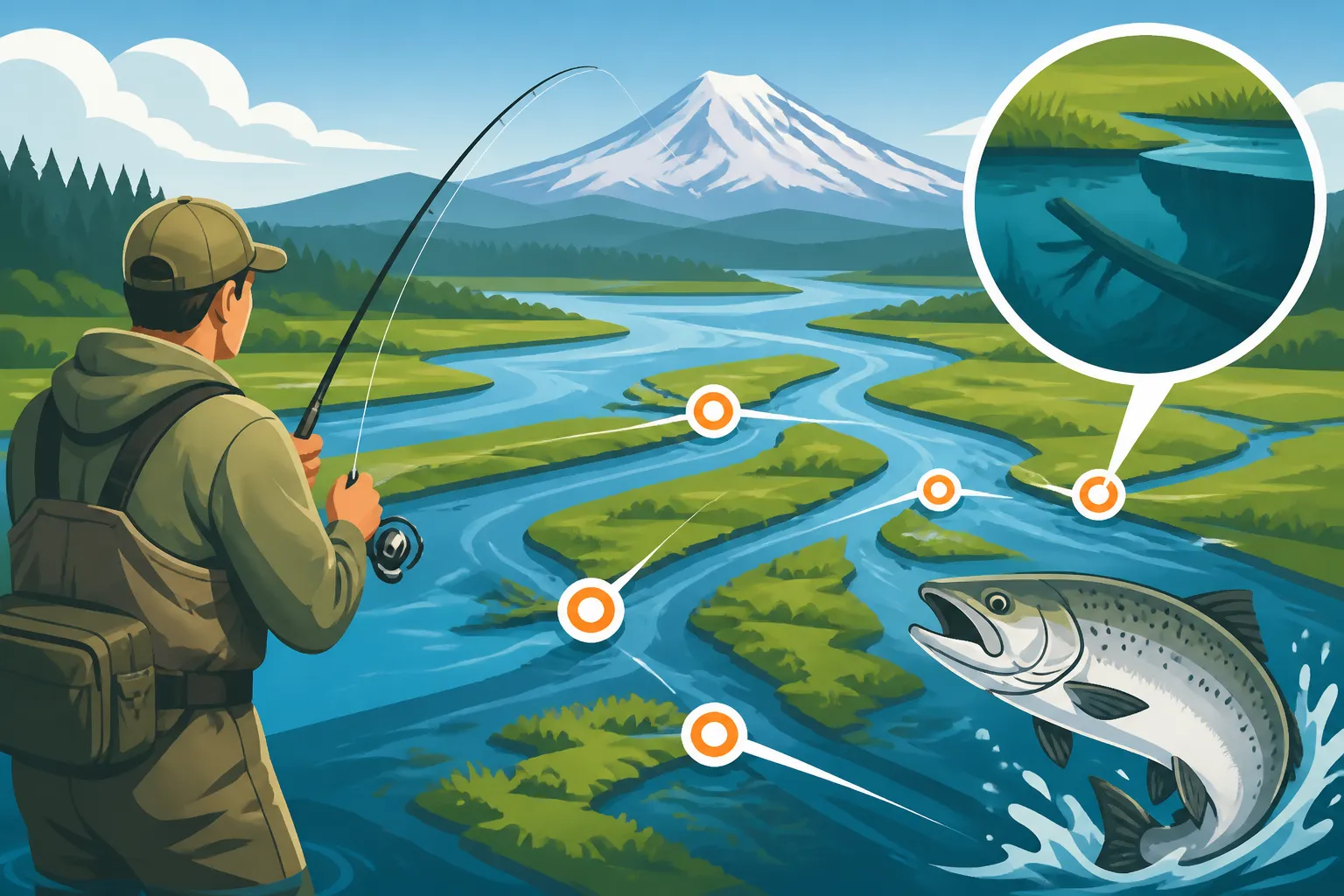
Trying to figure out where to cast a line in the vast, often confusing expanse of the Nisqually Delta can feel like deciphering an ancient map with half the key missing. Between the national wildlife refuge, changing tides, and specific regulations, it’s no wonder many anglers get discouraged before they even wet a line. This comprehensive guide is here to cut through that confusion, showing you exactly where you can fish, what you’re likely to catch, and how to make the most of your angling adventure in this incredibly rich Washington estuary.
Understanding the Nisqually Delta Fishery and Its Unique Challenges
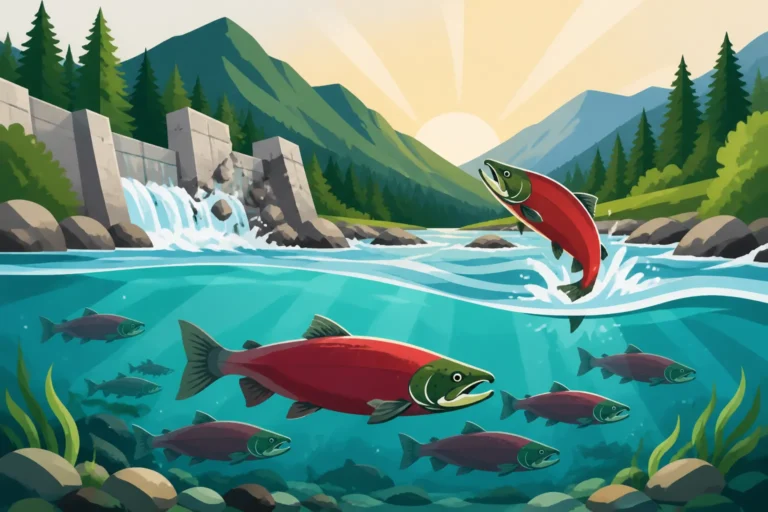
The Nisqually Delta is a truly special place, a mosaic of saltwater marshes, intertidal mudflats, and the lower reaches of the Nisqually River itself. It’s teeming with life, serving as a critical nursery and migratory stopover for countless species, including all five species of Pacific salmon. However, this ecological richness also means much of the area falls under strict protection, leading to specific challenges for anglers hoping to explore its waters.
The Nisqually River Delta: A Rich Ecosystem with Restrictions
The heart of the Nisqually Delta is the Billy Frank Jr. Nisqually National Wildlife Refuge, a testament to conservation efforts that have restored vast tracts of tidal marshland. This restoration has brought immense benefits to wildlife, particularly salmon, but it also means that much of the prime estuarine habitat within the refuge boundaries is off-limits to fishing. Anglers often arrive, eager to fish the delta, only to find signs indicating "no fishing" or "wildlife viewing only." It’s a common frustration, feeling like you’re right there on top of the fish, but unable to access them. The delta acts as a funnel for salmon heading upstream, including the famed fall salmon runs. If you're looking for detailed information on fishing the river itself, beyond the delta, our guide on Fishing the Nisqually River for Fall Salmon is an excellent resource.
Understanding this delicate balance between conservation and recreation is key. The Washington Department of Fish and Wildlife (WDFW) works closely with tribal nations and federal agencies to manage these resources, and their regulations reflect the need to protect vulnerable populations while still providing angling opportunities. So, when you’re planning your trip, remember that while the delta itself is a powerhouse of productivity, most direct angling efforts will need to focus on areas immediately adjacent to or just outside the refuge boundaries.
Navigating Access Points and Prohibited Areas
One of the biggest hurdles for anyone wanting to fish the Nisqually Delta is simply knowing where you can go. Many roads that lead towards the delta will bring you to the edge of the refuge, where fishing is often prohibited to protect sensitive habitats and wildlife. This can be incredibly frustrating, especially if you’ve traveled a long distance.
The key distinction lies between the federal refuge lands and the surrounding waters and state/county access points. The interior, highly sensitive marsh areas of the refuge are generally closed to fishing. However, fishing is permitted in specific areas of Puget Sound adjacent to the delta, as well as portions of the lower Nisqually River upstream from the refuge boundary.
For boaters, the primary access point is Luhr Beach, located just to the east of the delta. From here, you can launch into Puget Sound and motor to areas near the river mouth that are open to fishing. For bank anglers, options are more limited directly on the delta itself, but certain public beaches or park access points nearby may offer opportunities, depending on current regulations. It’s absolutely critical to consult the official WDFW regulations for the specific marine area and river section you plan to fish, as these rules are subject to change and can be very granular. A general understanding of Washington Fishing Regulations Every Angler Should Know is a great starting point for any Washington angler.
Prime Fishing Locations Around the Nisqually Delta
While the interior of the Nisqually Delta is largely a no-fishing zone, there are still fantastic opportunities in the waters surrounding it and just upstream in the lower river. Knowing these spots and understanding how the tides and salmon runs influence them is crucial for a successful trip.
The Mouth of the Nisqually River and Adjacent Beaches
When people talk about fishing the Nisqually Delta, they’re often referring to the immediate mouth of the Nisqually River where it empties into Puget Sound, and the beaches surrounding it. This confluence of freshwater and saltwater is a magnet for salmon as they gather before their upstream migration.
Bank Fishing Opportunities: On the east side of the delta, depending on current rules and specific land ownership, there may be limited bank access from areas near Luhr Beach. Anglers often target salmon here during peak migratory seasons. However, be aware that access can be challenging, and regulations for shoreline fishing can be very specific. Always respect private property and posted signs. Effective Bank Fishing Techniques for Washington Salmon often involve casting spoons, spinners, or even float fishing with bait if permitted.
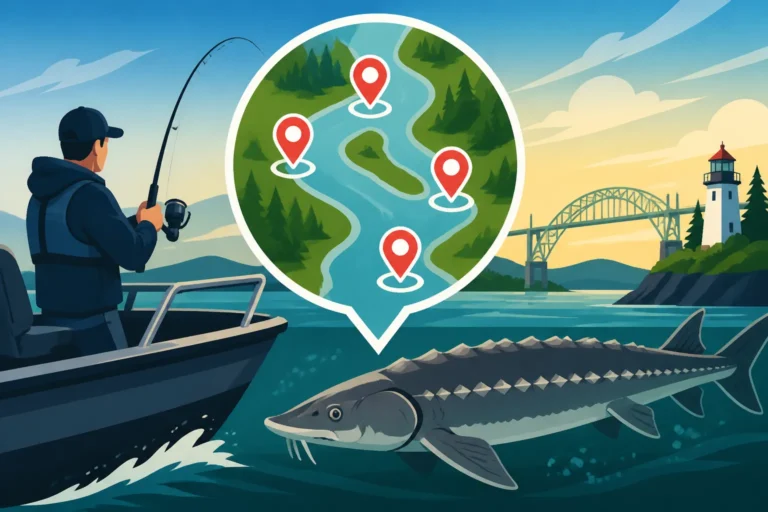
Boat Fishing: This is where the real potential opens up. Boaters launching from Luhr Beach can position themselves in the tidal currents just outside the official refuge boundary, focusing on the plume of the Nisqually River. This area is particularly productive for salmon, especially Chinook and Coho, as they mill about, waiting for optimal conditions to push into the river. You might also find good opportunities for Sea-Run Cutthroat in Washington's Puget Sound in these brackish waters, especially during the spring and summer. They love patrolling the tidelines for baitfish.
Luhr Beach Boat Launch and Nearshore Waters
Luhr Beach isn't just a launch ramp; it's a strategic hub for fishing the Nisqually Delta area. Located in Thurston County, it provides direct access to Puget Sound’s Eld Inlet and, crucially, to the marine waters near the Nisqually River mouth.
Boat Anglers' Paradise: For those with a boat, Luhr Beach is your gateway. From here, you can motor out a short distance to the productive waters where the river current meets the sound. This is a prime area for Trolling for Salmon in Washington's Puget Sound. Anglers often employ downriggers to present various baits and lures, such as cut-plug herring, spoons, or plastic hoochies, at specific depths. During the height of the fall salmon run, boats will often congregate in this area, sometimes forming a "troll alley" where everyone is trying to intercept the incoming salmon.
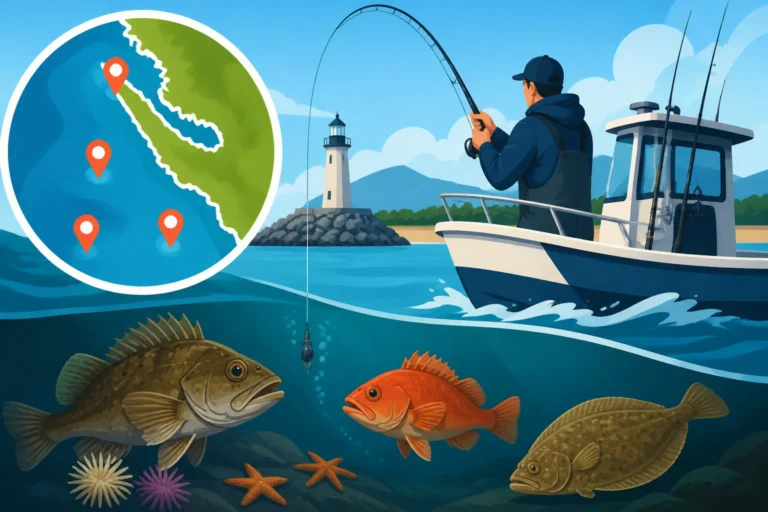
Beyond salmon, the nearshore waters off Luhr Beach can also hold other species. Depending on the season, you might find flatfish like flounder or sole on the sandy bottoms, or even resident coho that spend their entire lives in the Sound. The key is to stay outside the marked refuge boundaries and to constantly monitor your depth and surroundings. The right Rod and Reel You Need for Washington Puget Sound Salmon will make all the difference in these active fisheries.
Lower Nisqually River Upstream from the Delta
While the delta itself has restricted fishing, moving slightly upstream on the Nisqually River, beyond the refuge boundaries, opens up more traditional river fishing opportunities. The Nisqually River is a major salmon and steelhead producer, and its lower reaches are actively fished.
Accessible River Sections: Public access points like those found near Nisqually State Park, or various WDFW-managed access sites further upstream, become viable options. These areas are typically well-marked and fall under specific freshwater regulations. It's vital to know precisely where the delta's fishing closures end and the river's open sections begin. This distinction is often clearly outlined in the WDFW fishing pamphlet.
Targeting Salmon and Steelhead: In these river sections, anglers commonly employ techniques like drift fishing with bait (such as cured salmon roe or artificial eggs), casting spinners or spoons, or even plunking from the bank with heavier gear. Steelhead are a particularly popular target in the winter and summer months, though wild steelhead are often strictly catch-and-release. The Nisqually River is prone to in-season rule changes, so always check Washington Sport Fishing Seasons and Emergency Closures before heading out. For methods like drift fishing, check out our guide on Drift Fishing for Steelhead in Washington Rivers to hone your skills.
What You'll Catch and When to Go
Fishing around the Nisqually Delta means you’re often chasing migratory species, which makes timing everything. The runs are seasonal, and being there at the right time with the right gear can make all the difference.
Seasonal Opportunities for Salmon and Other Species
The rhythm of fishing around the Nisqually Delta is dictated by the life cycles of its fish. Understanding these cycles helps you anticipate what you might encounter and when.
-
Fall (Late Summer/Early Fall): This is undoubtedly the superstar season. Late August through October sees strong runs of both Chinook Salmon: Washington's King of Fish and Coho Salmon Fishing in Washington pushing towards the Nisqually River. These fish stack up in the nearshore waters of Puget Sound adjacent to the delta mouth, waiting for rain and tides to facilitate their journey upstream. This is prime time for boat anglers trolling or jigging. Bank anglers on accessible shorelines might also find opportunities, especially during high tides.
-
Winter: As the fall salmon fade, the focus shifts to steelhead in the lower Nisqually River, upstream from the delta. Winter steelhead are prized for their strength and beauty, but rules for them are often complex, with many wild fish needing to be released. Always check the regulations for specific river sections, as catch-and-release rules or bait restrictions are common.
-
Spring/Summer: While not known for major salmon runs during these months directly in the delta, you can still find good fishing. Sea-run cutthroat trout are active in the brackish waters and along the tidal flats, offering exciting light-tackle action. Bottomfish like flounder, sole, and various perch species can also be targeted in the nearshore saltwater off Luhr Beach. These offer fun, family-friendly fishing opportunities when the salmon are not around.
Essential Gear and Bait for Delta Angling
Having the right tackle can make your day far more enjoyable and productive. The diverse species and environments around the Nisqually Delta require a flexible approach to gear.
-
For Salmon: You’ll want a medium-heavy to heavy spinning or baitcasting rod, typically 8-10.5 feet for boat trolling or mooching, or 9-11 feet for bank casting. Spool up with 20-30 lb braided line, often with a fluorocarbon leader. Popular baits include cut-plug herring (often brined and dyed), cured salmon roe (if permitted), and artificials like spoons (e.g., Coho Killer, Goldstar), spinners (e.g., Blue Fox, Dick Nite), or plastic hoochies behind a flasher. For boaters, downriggers are common for getting lures to the desired depth.
-
For Sea-Run Cutthroat: Lighter gear is the ticket here. A medium-light spinning rod (7-8.5 feet) with 6-10 lb test fluorocarbon or monofilament line is ideal. Small spinners (sizes 1-3), light spoons, or small soft plastics are very effective. Fly anglers will do well with 5-7 weight rods, throwing baitfish or shrimp patterns.
-
For Bottomfish (Flounder/Sole): A simple medium spinning rod with 8-15 lb test line will suffice. Basic bottom fishing rigs with a pyramid sinker and two snelled hooks baited with clam necks, squid strips, or pieces of worm are highly effective.
Regardless of what you're targeting, always ensure you have a valid Washington fishing license. If you're going for salmon or steelhead, a The Washington Catch Record Card and What It Requires is also a must-have, and it needs to be filled out immediately upon retaining your catch. Practical items like good waterproof boots or waders, rain gear, a net, pliers, and a cooler with ice are also non-negotiable for a comfortable and successful trip.
Here's a quick look at common targets and what works:
| Species Targeted | Best Season | Recommended Lure/Bait | General Location (Around Delta) |
|---|---|---|---|
| Chinook Salmon | Late Summer/Fall | Herring (mooched/trolled), large spoons, spinners | Mouth of river, nearshore Puget Sound |
| Coho Salmon | Fall | Small spoons, spinners, hoochies, cut plug herring | Mouth of river, nearshore Puget Sound |
| Sea-Run Cutthroat | Spring/Summer/Fall | Small spinners, flies (baitfish/shrimp imitations) | Brackish areas, tidal flats, river mouth |
| Flounder/Sole | Spring/Summer | Worms, small pieces of clam/squid on bottom rigs | Nearshore sandy/muddy bottom |
Planning Your Nisqually Delta Fishing Adventure
Fishing this unique convergence of river and sound requires more than just knowing where to go; it demands diligent preparation. The delta's dynamic nature means conditions, and thus regulations, can shift quickly.
Checking Regulations and Weather Conditions
I cannot stress this enough: always check the WDFW fishing regulations pamphlet before you leave home, and ideally, again the morning of your trip. The Nisqually Delta and the lower Nisqually River fall under complex rules that vary by season, species, and even specific dates. Emergency rule changes are a frequent occurrence, especially during salmon and steelhead seasons, due to fluctuating run sizes or environmental conditions. Our detailed guide on Emergency Rule Changes: Why Washington's Rules Shift Mid-Season explains why these changes happen and how to stay informed.
You'll need to consult the regulations for both the freshwater section of the lower Nisqually River and the relevant marine area of Puget Sound (typically Marine Area 13 for the delta mouth). Pay close attention to:
- Open seasons: Are the species you want to target open?
- Daily bag and possession limits: How many fish can you keep?
- Size restrictions: Are there minimum or maximum size limits?
- Gear restrictions: Are bait bans in effect? Are single-point, barbless hooks required?
- Time restrictions: Is fishing allowed 24/7 or only during specific hours?
The WDFW website is your best friend here. You can find up-to-the-minute information on Where to Find Current Washington Fishing Rules. Beyond regulations, keep a keen eye on the weather and tide charts. The Nisqually Delta is a tidal environment, and strong currents, wind, and changing water levels can significantly impact fishing success and safety, particularly for boaters.
Considering a Guided Trip for Best Results
Given the complexities of regulations, ever-changing conditions, and the need to navigate around protected areas, fishing the Nisqually Delta can be a steep learning curve for those unfamiliar with it. If you’re visiting the area, or simply want to maximize your chances of success and minimize confusion, hiring a local fishing guide is an excellent investment.
A good guide brings years of local knowledge to the table. They’ll know exactly where to go, what techniques are working, and most importantly, they’ll be up-to-date on all the current regulations, ensuring you fish legally and responsibly. They often provide all the necessary gear, bait, and a safe, comfortable boat, taking all the guesswork out of your trip. While we often discuss guides for larger systems in our Columbia River Guided Salmon and Steelhead Trips in Washington article, the principles apply directly to the Nisqually as well – local expertise is invaluable.
Platforms like FishingBooker are fantastic resources for finding reputable guides in the Nisqually area and wider Puget Sound. You can browse different guide services, read reviews, and find someone who specializes in the species and techniques you're interested in. Whether it’s targeting Chinook at the mouth of the river or chasing sea-run cutthroat, a guide booked through FishingBooker can significantly enhance your experience. They can navigate the nuanced boundaries of the Billy Frank Jr. Nisqually National Wildlife Refuge and help you understand how to approach this unique fishery. For more general advice on selecting a guide, check out our guide on How to Book a Fishing Charter in Washington. A guided trip ensures you spend less time worrying about rules and more time reeling in fish.
Disclaimer
Fishing regulations in Washington state are subject to frequent change. Always consult the official Washington Department of Fish and Wildlife (WDFW) regulations pamphlet and emergency rule updates before planning and embarking on any fishing trip. This guide provides general information and should not be considered a substitute for checking current, official regulations.