Do Pink Salmon Run in Washington Every Year?
It’s a question that echoes across docks and riverbanks every year: "Do pink salmon run in Washington every single year, or what’s the deal?" This guide is here to clear up that common confusion, explain the fascinating lifecycle of these abundant fish, and help you understand exactly when and where to expect Washington's famous "humpies" – and what to do when it's their year off.
The Unique Biennial Cycle of Washington's Pink Salmon
If you've spent any time fishing for salmon in Washington, you've probably noticed that some years are absolutely brimming with pink salmon, while others seem eerily quiet on that front. This isn't just a coincidence or a bad season; it’s a fundamental characteristic of pink salmon populations in our waters. Unlike their Chinook or Coho cousins, pink salmon operate on a very distinct two-year life cycle, which dictates when and where we can expect to see them.
Understanding the "Odd-Year" Phenomenon
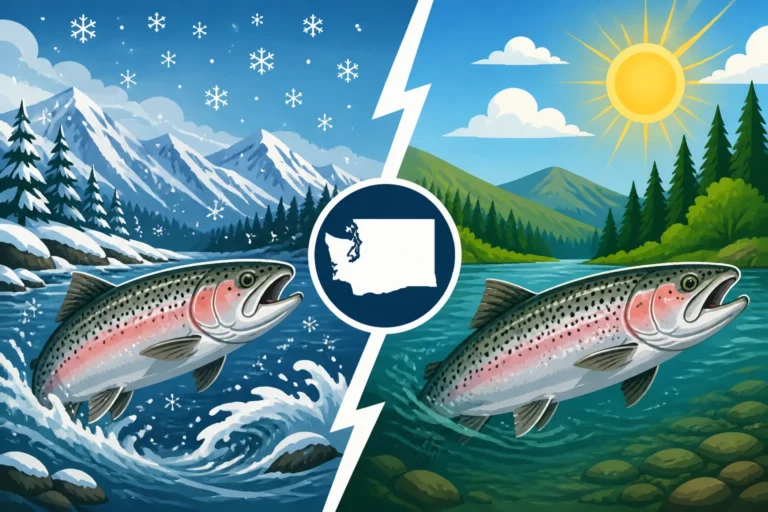
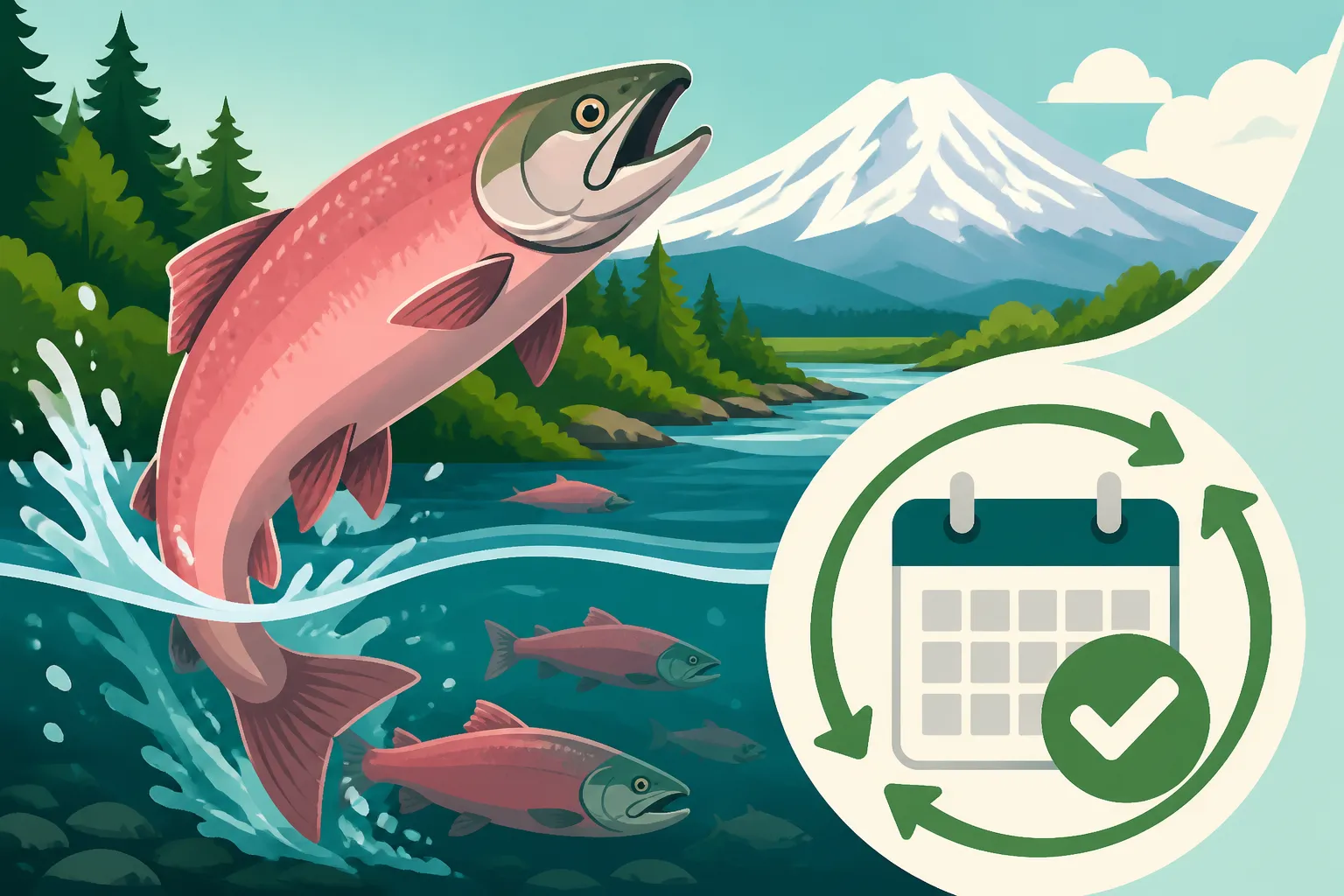
The core of the mystery lies in their biology: pink salmon, or Oncorhynchus gorbuscha, almost exclusively return to spawn in Washington in odd-numbered years. This means that 2023 was a big pink year, and 2025 will be another. Conversely, in even-numbered years like 2024 or 2026, you'll be hard-pressed to find a pink salmon in Puget Sound or its tributaries. It's a truly remarkable and somewhat baffling phenomenon, especially for those new to the region's fisheries.
This biennial cycle isn't just a local quirk; it's a widespread trait among Pacific pink salmon populations. Scientists believe this strong two-year cycle is deeply ingrained genetically, leading to distinct, reproductively isolated lines. Essentially, the fish that return in an odd year are the offspring of fish that returned two years prior, and the same goes for the much smaller even-year runs that exist in some more northerly parts of their range but are largely absent or insignificant in Washington. It’s like two entirely separate populations, occupying the same rivers but never quite overlapping their spawning cycles. This genetic isolation ensures that generations from odd years only produce odd-year offspring, and the same for the very rare even-year spawners here.
The practical upshot for us anglers is simple: if the calendar year ends in an odd number, get ready for pinks. If it's an even number, manage your expectations for this particular species and plan to target something else. This predictable pattern is one of the most distinctive features of Pink Salmon: Washington's Odd-Year Run, making them a unique and often abundant target when their year comes around.
Where Pink Salmon Spawn and Why It Matters
Pink salmon are often called "humpies" due to the pronounced humps that develop on the backs of males during their spawning migration. They are the smallest of the Pacific salmon species, typically weighing between 3 to 5 pounds, though they can sometimes grow larger. For an idea of their typical size, you might be interested in How Big Washington Pink Salmon Get. These fish are also unique in their spawning preferences. They tend to spawn in the lower reaches of rivers, often quite close to salt water, and sometimes even in the intertidal zone of estuaries. This preference for accessible, lower-river spawning grounds means they utilize different habitat than some of the other salmon species that push far upstream.
Their spawning habits and sheer numbers when they do return have a significant ecological impact. During odd years, the rivers and nearshore areas can be absolutely teeming with pinks. This massive influx of biomass provides a crucial food source for a wide array of predators, from seals and eagles to larger salmon species and even resident Puget Sound killer whales. When they die after spawning, their decaying bodies also contribute vital marine-derived nutrients to freshwater ecosystems, supporting everything from insects to riparian vegetation.
This ecological role also means that when it's an odd year, there's often a bit of a "pink salmon fever" among anglers. The accessibility and abundance of these fish make them a fantastic target for beginners and seasoned pros alike, especially in areas like Puget Sound and its connecting rivers. Understanding their preferred spawning areas can give you a real advantage in locating them when their runs are strong.
What This Means for Anglers: Planning Your Pink Salmon Season
Knowing about the odd-year cycle is half the battle when it comes to pink salmon. It allows you to mentally prepare for either an incredibly exciting, action-packed season or to adjust your focus to other species. This biennial rhythm dictates much of the fishing experience for these unique salmon.
Prime Time for Pink Salmon Fishing
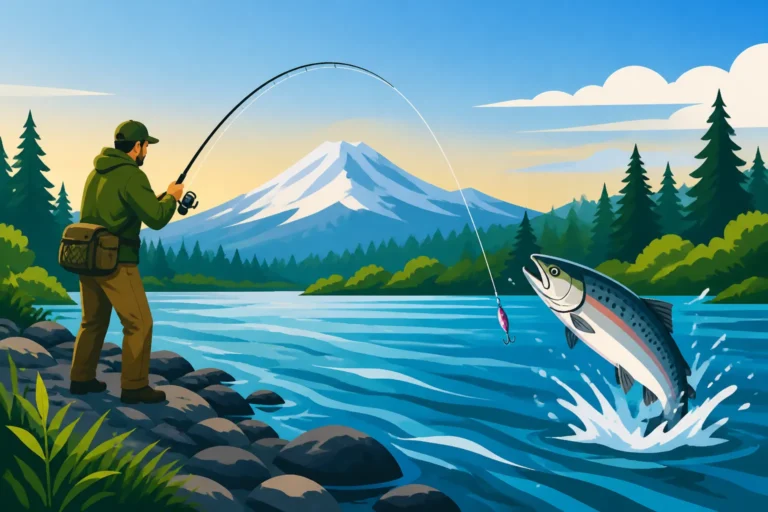
When an odd year rolls around, the excitement really builds. The primary season for pink salmon in Washington typically runs from late July through September, peaking in August. This is when the main push of fish enters Puget Sound and begins their migration into the rivers and streams to spawn. You’ll find them concentrated in marine areas and tidal estuaries before they make their way upstream.
Popular areas like the inner Puget Sound, including Marine Areas 9 and 10 (Admiralty Inlet and Seattle/Bremerton areas), are often hotbeds of activity. Rivers such as the Snohomish, Skagit, Puyallup, and Nisqually can see incredible numbers of pinks pushing in, providing excellent opportunities for bank anglers and boaters alike. Knowing Washington's Puget Sound Fishing Spots for Salmon and Bottomfish can give you a head start on where to look. During these peak months, the fishing can be fast and furious, with anglers sometimes catching their limit in a matter of hours. The combination of their aggressive takes and their willingness to bite a variety of lures makes them a beloved target for many.
Many anglers specifically plan their summer fishing trips around these anticipated pink salmon returns. The consistent action can be a fantastic way to introduce new anglers, especially kids, to the joys of salmon fishing. It’s a completely different experience from trying to track down a elusive winter steelhead or a wary spring Chinook.
The "Off-Year" Reality and What to Target Instead
Now, for the even-numbered years. It can be a bit of a letdown when you realize those massive pink salmon runs simply aren't going to materialize. You might hear whispers of a few stray pinks, but for all practical purposes, the pink salmon fishery is closed in Washington during even years. It’s important not to get discouraged, though! Washington's waters offer a spectacular diversity of other species that are very much active.
When pink salmon are taking their two-year break, it’s the perfect opportunity to focus on other fantastic fishing opportunities. For instance, the Coho (silver) salmon runs are often strong in even years, providing plenty of action in Puget Sound and many rivers. You might want to brush up on Coho Salmon Fishing in Washington or specifically target Best Time to Fish for Coho in Washington. Chinook (King) salmon are also present, though often in more limited numbers and with stricter regulations. Knowing How to Tell a Chinook From a Coho can be vital when multiple species are present.
Beyond salmon, Washington offers excellent trout fishing in countless lakes and rivers, often year-round in many locations. Bass, walleye, and other warmwater species in Eastern Washington lakes also provide abundant fishing. If you're a saltwater angler, bottom fishing for lingcod and various rockfish species can be a thrilling alternative, as can crabbing for Dungeness crabs in Puget Sound. The key is to check the Washington Sport Fishing Seasons and Emergency Closures for the specific year you're fishing and pivot your plans accordingly. Don't let the absence of pinks dampen your enthusiasm for all the other incredible fishing adventures Washington has to offer!
Maximizing Your Chances During a Pink Salmon Year
When it is an odd year, and those pinks are on their way, you'll want to be prepared to make the most of the opportunity. Their abundance can lead to some truly memorable fishing, but a little planning and the right gear can make all the difference.
Keeping Up with WDFW Forecasts and Regulations
Forecasting pink salmon returns is a major undertaking for the Washington Department of Fish and Wildlife (WDFW) each odd year. These forecasts, usually released in the spring, give anglers an idea of the expected size of the run and help WDFW set initial seasons and limits. It's absolutely crucial to pay attention to these announcements and to regularly check for updates, as regulations can change quickly.
Beyond the forecasts, you must always be aware of the current fishing regulations. Pink salmon limits are typically quite generous in odd years due to their abundance, but specific marine areas or river sections might have different rules, including gear restrictions or even emergency closures if runs are weaker than expected in certain spots. The best way to stay informed is to regularly consult the WDFW website or pick up a copy of the annual Reading the Washington Sport Fishing Regulations Pamphlet. This will detail everything from daily limits to specific terminal tackle requirements, ensuring you're fishing legally and responsibly. Remember, Washington Fishing Regulations Every Angler Should Know are comprehensive and designed to protect the resource, so a quick check before each trip is always a good idea.
Essential Gear and Tactics for Success
Pink salmon are not known for being particularly finicky, but having the right gear certainly increases your success. Because they are smaller, lighter tackle is often preferred, making the fight more enjoyable. A light to medium-light spinning rod, around 7 to 9 feet in length, paired with a reel spooled with 8-12 lb monofilament or braid, is a common setup. Many anglers also appreciate a bit of flexibility in their rod tips to detect those sometimes subtle bites.
When it comes to lures, pink is the color of choice – almost exclusively! Think bright pink jigs, spoons, or hoochies. Small Buzz Bombs (1/2 to 1 oz), Gibbs Minnows, or Pixie spoons in various shades of pink are incredibly effective. For those who prefer a more natural presentation, small pink or chartreuse hoochies rigged behind a dodger or flasher can be deadly when trolling from a boat. Fly anglers often find success with pink or chartreuse flies like Pink Poof Balls, patterns tied with pink Estaz, or even smaller clouser minnows. You can find a vast array of these lures and tackle, often at competitive prices, on platforms like Amazon, making it easy to stock up before the season.
The tactics are generally straightforward:
- Casting from shore or boat: Cast your spoon or jig out and retrieve it with a steady, jerky, or stop-and-go retrieve. Pinks often bite on the fall or when the lure changes direction. For more on this, check out How to Fish a Buzz Bomb for Salmon.
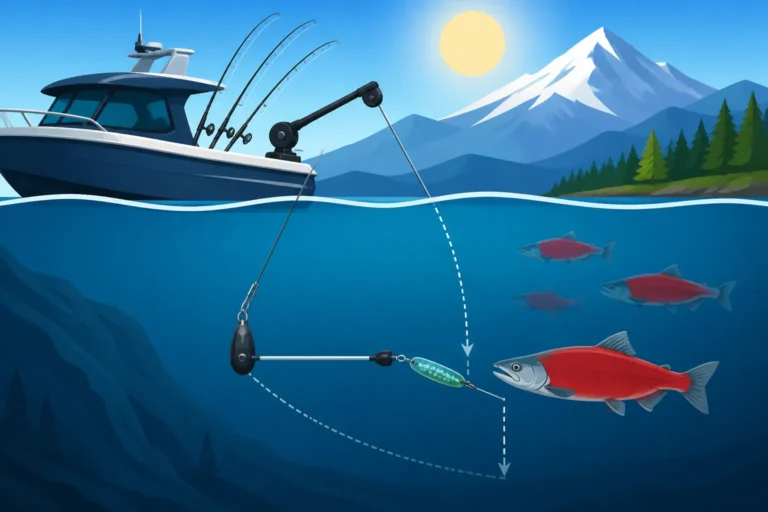
- Trolling: From a boat, troll pink hoochies or small spoons behind a flasher or dodger. Experiment with depths and speeds until you find what the fish are hitting.
- Twitching jigs: This is a popular technique for bank anglers, involving casting a pink jig and "twitching" it back through the water column. The erratic movement often triggers a strike.
It's all about presenting something pink that moves erratically enough to mimic baitfish or irritate a salmon. Given their numbers in an odd year, you often don't need highly sophisticated tactics; just be where they are, and keep a pink lure in the water!
The Ecological Role and Conservation of Pink Salmon
While pink salmon are often seen as "bonus fish" due to their predictable abundance in odd years, their role in the Puget Sound and Pacific Northwest ecosystem is incredibly vital. They are much more than just a fun target for anglers; they are a cornerstone of the marine and freshwater food webs.
Pink Salmon as a Keystone Species
The sheer volume of pink salmon that return in odd years makes them a keystone species. Their abundance provides a crucial pulse of food and nutrients to the ecosystem. For marine mammals like seals, sea lions, and even transient killer whales, the influx of millions of pink salmon provides a significant caloric boost. Many species of birds, including eagles and gulls, feast on both live and spawned-out salmon. Even bottom-dwelling invertebrates and juvenile fish benefit from the eggs and decaying carcasses.
In freshwater, the nutrients from their decomposing bodies enrich the stream beds, providing sustenance for aquatic insects, which in turn feed juvenile trout and other fish. This cyclical nutrient transfer from the ocean back to freshwater is essential for the health and productivity of Washington’s rivers and streams. Without these massive biennial returns, the entire food web would feel the impact, potentially affecting everything from the growth rates of juvenile salmon of other species to the health of riparian forests. Pink salmon are truly the unsung heroes of the salmon world, underpinning the health of many other species.
Protecting the Runs for Future Generations
Given their critical ecological role, conservation efforts for pink salmon are just as important as for other salmon species, even with their robust numbers during peak years. While their populations are generally healthy, they still face threats from habitat degradation, water quality issues, and climate change, which can affect ocean survival.
Responsible angling plays a direct role in conservation. This means adhering strictly to catch limits, using appropriate gear to minimize harm to released fish, and being mindful of sensitive spawning areas. For example, if you're targeting other species during a pink salmon run, and regulations call for releasing pinks, knowing how to properly Catch-and-Release Rules During Wild Steelhead Closures or for other species is vital. Practicing good stewardship ensures that these abundant runs continue to thrive, providing both ecological benefits and exciting fishing opportunities for generations to come. Anglers are often the first line of defense in observing and reporting changes in fish health or habitat, making our collective vigilance invaluable.
Disclaimer
Fishing regulations can change frequently due to in-season adjustments and emergency rule updates. Always consult the official Washington Department of Fish and Wildlife (WDFW) regulations before heading out on the water. This article is intended for informational purposes only and should not be considered a substitute for the official WDFW regulations.